
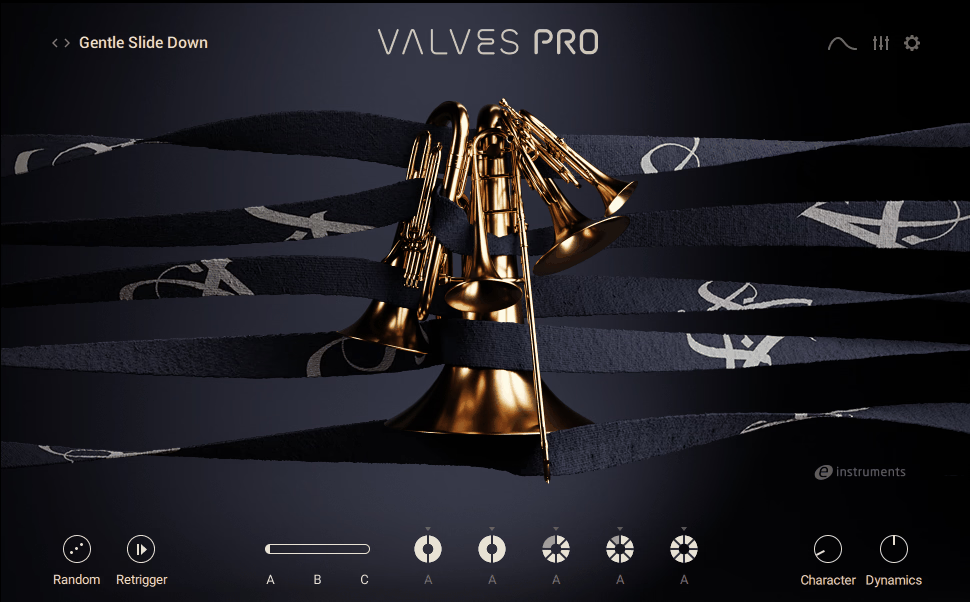
This library takes a genuinely different approach to brass sampling. Developed in collaboration with e-instruments, the team behind Session Strings, Session Horns, and the Cremona Quartet, this library focuses on warm, mellow, intimate brass tones rather than the bold orchestral sound most brass libraries chase.
The ensemble features flugelhorn, French Horn, trombone, euphonium, and tuba, all recorded by top session players performing together in isolation booths with a conductor directing via video feed.
From the Pluginerds Store
Before you go — if you're putting together or upgrading a home studio setup, we run our own store alongside the blog at Pluginerds Shop. Everything on it is picked by people who actually make music, not sorted by whoever paid for placement on a marketplace. Worth a look if you're filling in the gaps in your setup.
Visit Pluginerds ShopWhat’s Inside
The library builds on the original Valves library with significantly expanded features, more articulations, deeper functionality, and three distinct sampler instruments that cover different workflow preferences.
Here’s what you actually get:
- The Ensemble and Articulations:
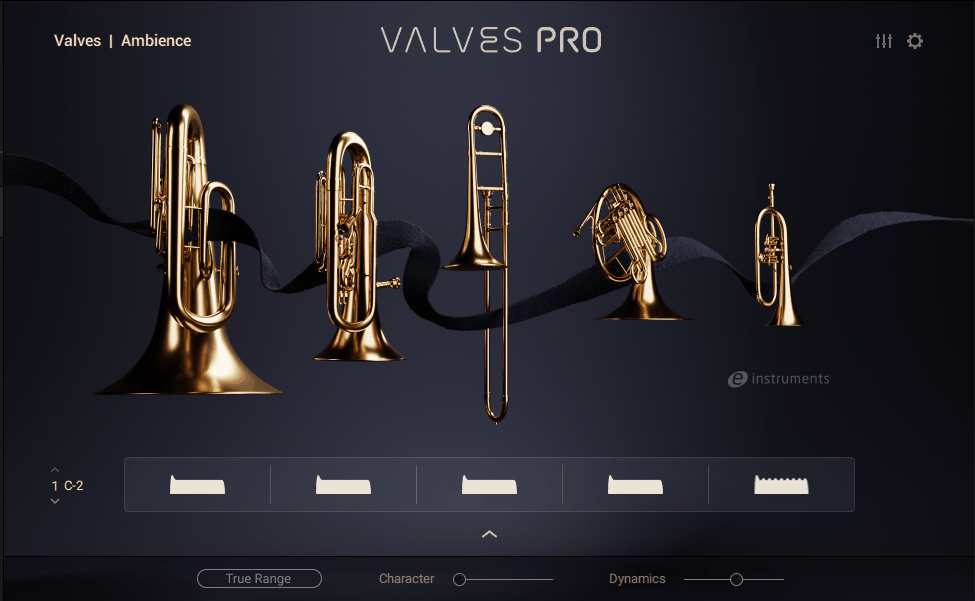
Flugelhorn, French Horn, trombone, euphonium, and tuba form the brass section, performed by top session players in isolation booths while playing together as a group via conductor and video feed.
Each instrument gets access to 62 articulations covering longs, shorts, dynamics, motives, expressive phrases, and even noise elements, giving you serious range to build whatever kind of performance your track needs.
- Three Sampler Instruments and 200+ Presets:
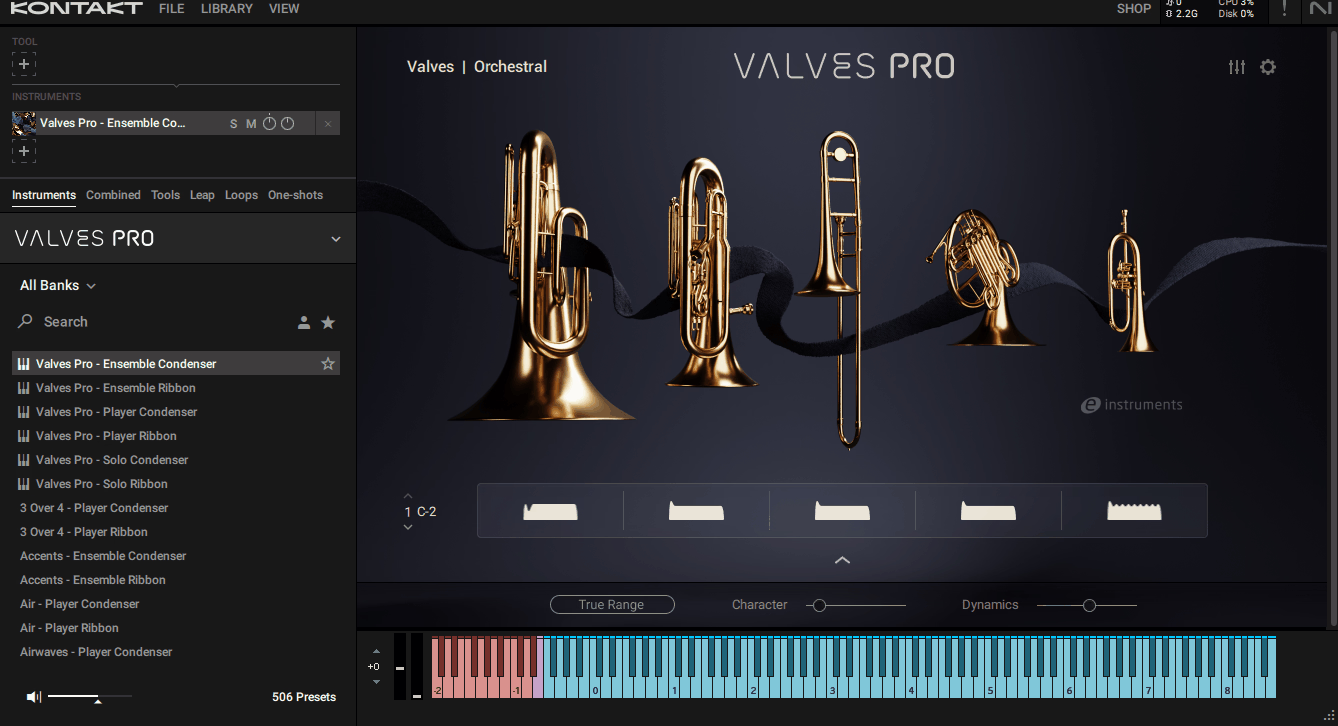
Player, Solo, and Ensemble patches handle completely different workflows. The Player gives you a tempo-synced grid for building phrases, Solo focuses on individual instrument melodies with the intelligent Virtuoso mode that adapts articulations to your playing dynamics, and Ensemble lets you write detailed arrangements through traditional keyswitching.
Over 200 presets cover everything from professionally composed phrases to articulation combinations, giving you immediate starting points across all three patches.
- Microphone Flavors and Smart Features:
You can choose between two distinct microphone flavors for different sonic contexts. Condenser mics deliver a cleaner, more detailed, breathier sound, while ribbon mics add tape saturation for a warmer, mellower, more focused character.
On top of that, the Auto Divisi feature intelligently assigns chord notes across the ensemble the way a real arranger would, distributing parts between the five instruments for genuinely realistic arrangements.
What I appreciate most is how the three workflows complement each other. You can use the Player for quick inspiration, Solo for detailed melodic work, and Ensemble for full arrangements, all within the same library.
Get the Free Plugin Starter Kit
The genuinely useful free DAWs and plugins worth installing. No filler. Straight to your inbox.
The Sound
I can say the sound is genuinely where this library makes its case, because the tonal character is unlike most brass libraries you’ve probably worked with. Rather than chasing the bold, cinematic brass sound that defines most orchestral libraries, the ensemble here aims for warmth, intimacy, and expression.
The instruments were specifically chosen for their mellow qualities, with flugelhorn and euphonium in particular bringing a softer, more lyrical texture that works beautifully in quiet scoring moments. A few things stand out sonically to me:
- Small Ensemble Feel:
The five instruments blend like a real small brass section rather than a massive orchestral stack. This is genuinely rare in the brass library world, and it opens up musical territory that larger libraries can’t reach.
- Two Distinct Mic Flavors:
Condenser recordings give you brightness and air for modern productions, while the ribbon mic captures that slightly saturated, vintage feel that sits beautifully in cinematic and jazz-adjacent contexts. Switching between them fundamentally changes the character of your arrangement.
- Expressive Articulations:
Beyond standard longs and shorts, you get breaths, noise elements, motives, and expressive playing techniques that feel performed rather than programmed. I love the noise articulations in particular for adding realism to exposed brass lines.
I want to note that the mellow character is both the strength and the limitation here. If you need aggressive, fff orchestral brass for trailer music or big action cues, Valves Pro isn’t built for that.
This library serves the quieter, more expressive end of the brass spectrum.
The Three Patches
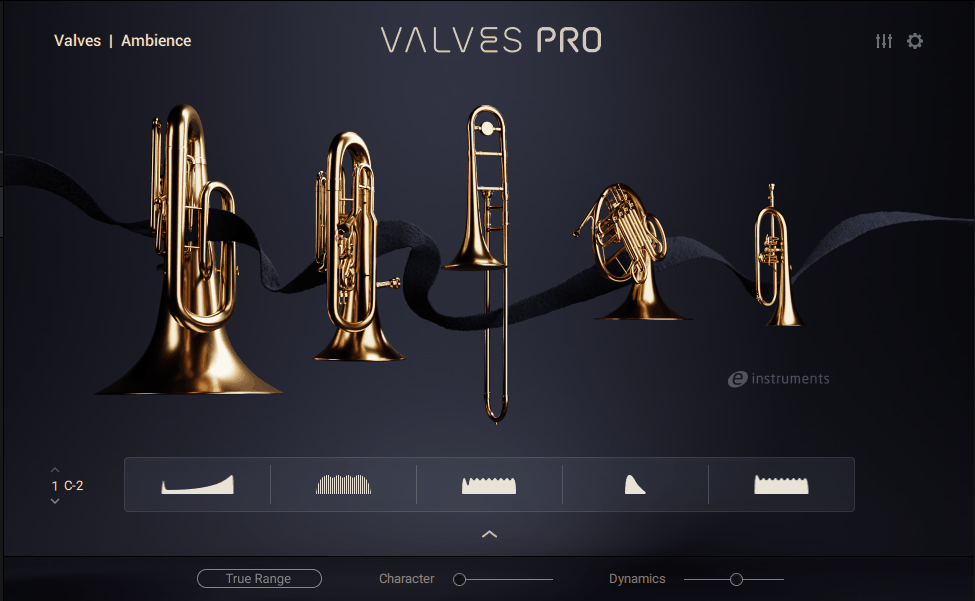
Each patch handles a different compositional workflow, which genuinely changes how you approach writing with the library.
Starting with the Player, this patch is built around a tempo-synced grid where you can drop articulations from any of the 62 options across the five instruments. There’s a solid library of professionally composed phrases you can tweak, or you can build your own from scratch.
For producers who prefer composing visually rather than playing everything in by hand, this is honestly where most of the quick inspiration happens.
Next up is the Solo patch, which gives you individual instruments for detailed melodic writing. The real standout here is Virtuoso mode, which automatically adapts articulations based on how you play rather than forcing you to memorize dozens of keyswitches.
Natural performance nuances happen organically, and I’d say it’s a huge workflow improvement over traditional keyswitched brass libraries.
Then there’s the Ensemble patch, where everything comes together into one engine with articulation assignment across all five instruments using the traditional keyswitch workflow. The Auto Divisi feature distributes chord notes intelligently, though you can turn it off anytime for manual control.
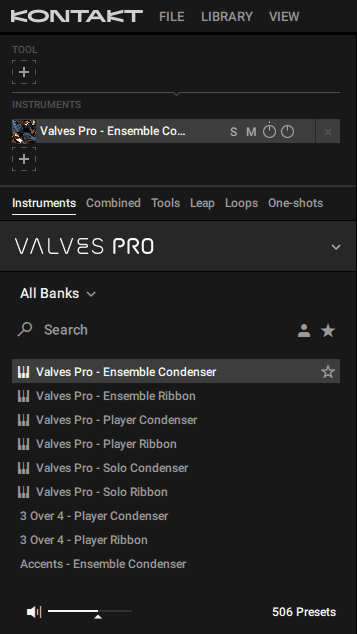
If you’re coming from traditional orchestral scoring workflows, this is where arranging feels most natural.
Mixer and Effects
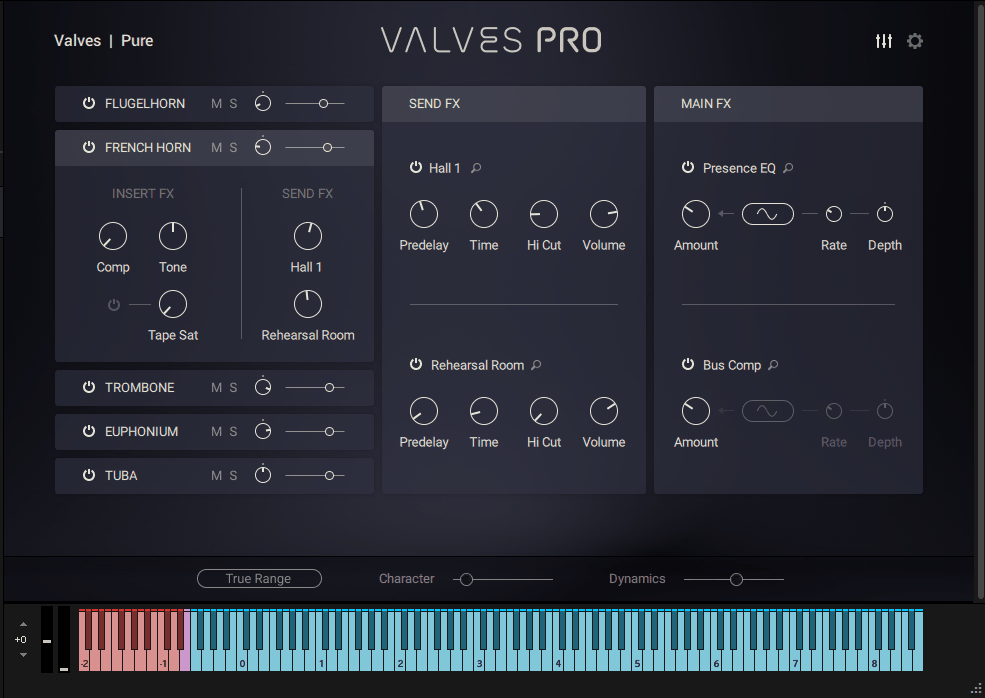
Beyond the main patches, the library includes a comprehensive Mixer page with independent levels, solos, and mutes for every instrument.
You also get two send effects and two master effects slots with built-in reverbs, delays, filters, EQs, and saturation processors. The master effects section includes an LFO that can introduce modulation for dynamic, evolving textures that add movement to what could otherwise be static brass parts.
For most cinematic workflows, I’d say the built-in effects are useful for quick shaping but you’ll want to route to external reverbs and processors for serious mixing work. The saturation from the ribbon mic recordings combined with the onboard effects does give you genuine character without needing third-party tools, though.
Pros and Cons
Pros
On the strengths side, this library genuinely fills a gap in the brass market with its warm, intimate, mellow tones you won’t find elsewhere. The 62 articulations across five instruments deliver serious expressive range, covering everything from traditional longs and shorts to breaths and noise elements that make performances feel genuinely human.
Having three workflow options through the Player, Solo, and Ensemble patches lets you approach composition however you prefer, whether you’re building phrases on a grid, writing melodies directly, or arranging full ensembles through keyswitches.
Virtuoso mode is a standout feature for me, because intelligent articulation switching based on playing dynamics makes capturing realistic performances genuinely easy without needing to remember dozens of keyswitches.
Finally, the two microphone flavors (condenser and ribbon) provide real sonic flexibility for different mix contexts, which is especially useful when you need to move between modern and vintage-leaning productions.
Cons
On the other side, the library has some genuine limitations worth knowing about. The biggest one is that it’s limited to soft dynamics, so if you need aggressive or fff brass playing for trailers, action cues, or big orchestral climaxes, this tool simply isn’t built for that territory.
The niche use case is both the strength and the weakness, because the specific mellow character works brilliantly in some contexts and feels out of place in others (this isn’t a general-purpose brass library by any stretch). There’s also a learning curve with the articulations, since navigating 62 options across five instruments takes real time to internalize before you’re working efficiently.
Lastly, the lack of a standalone sustain patch (without legato or other articulation layers) is a small workflow issue for producers who want basic sustained brass without the added complexity.
Final Thoughts
Valves Pro is one of those libraries that genuinely earns its place in a specific type of producer’s arsenal rather than trying to be everything for everyone.
Together, the combination of five mellow brass instruments, 62 articulations, three workflow-focused patches, two microphone flavors, and the smart Auto Divisi and Virtuoso features creates a tool that delivers warm, intimate, expressive brass sounds that most other libraries simply don’t offer.
I’d say the plugin is a must-have for composers and producers who regularly work in reflective, cinematic, or contemporary contexts where subtlety matters more than brute force. If your work involves quiet scoring moments, ambient brass textures, or small ensemble warmth rather than orchestral power, this library delivers exactly what you need.
One thing worth flagging is that this tool isn’t meant to replace your orchestral brass libraries. For aggressive, epic, fff brass sounds, you still need dedicated tools that focus on that territory.
It omplements those libraries rather than replacing them, filling the softer, mellower end of the spectrum that traditional brass collections often overlook.
For film composers, media producers, and contemporary writers who want genuinely unique brass textures, I’d recommend this library as a worthwhile investment that opens up creative territory you probably can’t reach with your existing brass tools.
Check here: Native Instruments Valves Pro
Check Manual: NI Valves Pro Manual
Get the Free Plugin Starter Kit
The genuinely useful free DAWs and plugins worth installing. No filler. Straight to your inbox.

Hello, I’m Viliam, I started this audio plugin focused blog to keep you updated on the latest trends, news and everything plugin related. I’ll put the most emphasis on the topics covering best VST, AU and AAX plugins. If you find some great plugin suggestions for us to include on our site, feel free to let me know, so I can take a look!