
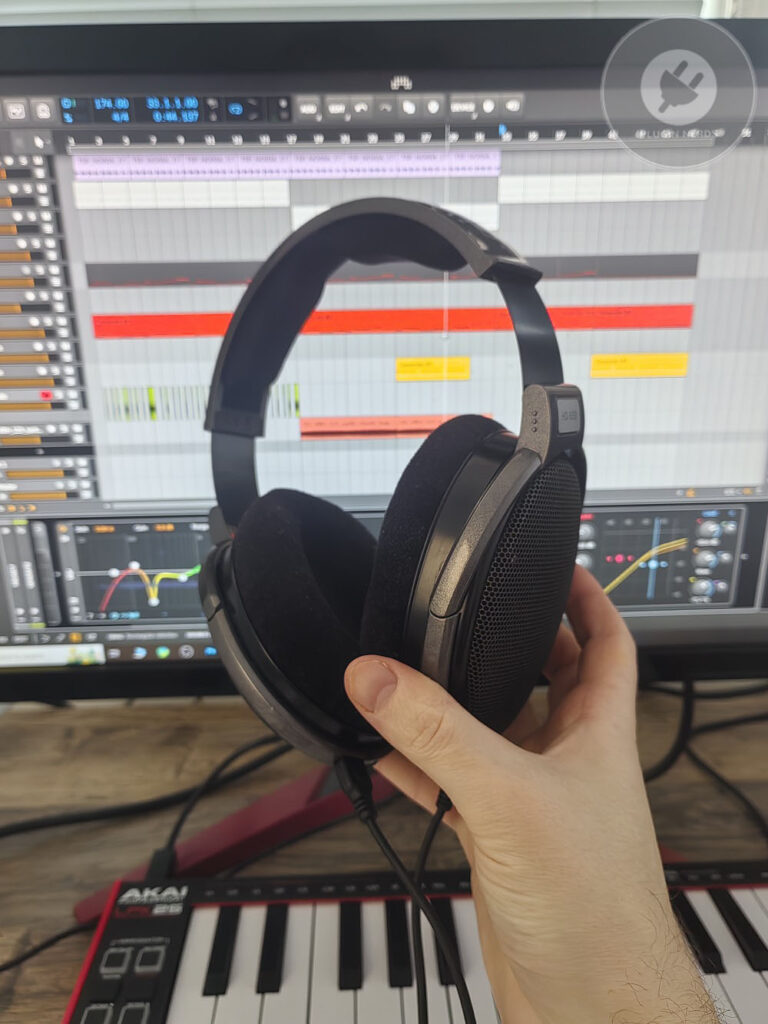
If you’ve looked into open-back headphones for mixing or critical listening, you’ve likely seen these Sennheiser models recommended everywhere. I’ve used them for almost three years for mixing, mastering, and everyday listening, and here I’ll share why they’re still a reference standard and whether they’re worth choosing in 2026, especially with newer, cheaper, or differently tuned options available.
This model has been a staple in Sennheiser’s lineup since 2003, with only minor updates to its original design. In my view, these headphones show what happens when a company focuses on getting the basics right instead of following trends, and knowing this helps you decide if their classic sound is what you’re looking for.
Are Sennheiser HD650 headphones worth it?
In 2026, HD650 remains solid for vocal and acoustic mixing with exceptional comfort for long sessions, though newer options like the HD560S or HD600 offer flatter response at similar costs. Great if you value warmth and all-day comfort, but consider alternatives if you need accurate bass for electronic genres.
Midrange focus and tonal balance
HD650 delivers warm, smooth sound that emphasizes clear mids rather than boosted bass or bright treble. I find the overall tone slightly warm but not muddy, making it natural and comfortable to listen to for long periods without the fatigue that comes from more aggressive headphones.
The bass is clear and controlled, reaching into the sub-bass, but it isn’t boosted like on many consumer headphones. You’ll hear the bass when it’s needed, with good weight and texture, but it’s a bit softer than a flat response, and this warmth is part of the character.
When mixing bass-heavy music, I’ve found you need to watch out for adding too much low end, since these don’t exaggerate it.
Even so, the bass is detailed and clean with little distortion. You can pick out bass notes, kick drums, and sub-bass textures when they’re in the mix. Since the bass sits a bit below the mids, it doesn’t overpower other sounds. In my experience, this makes them great for mixing vocals or acoustic music, but less ideal for electronic genres where a strong bass presence is important. The midrange really stands out here, which is a big reason they’ve stayed popular with engineers and critical listeners. The mids are smooth, detailed, and natural, making vocals and instruments sound real and present without any fake coloring.
I find this especially useful for mixing vocals, acoustic instruments, or any music where clear, natural mids are more important than boosted frequencies.
Some people talk about the “Sennheiser veil,” which means the upper mids and lower treble are a bit softer, making these sound less bright than some other headphones. I do notice this, and whether it’s a downside or a plus really depends on your taste and what you’re used to.
If you’re coming from brighter headphones, these might seem darker at first, but I find the smoothness helps me listen longer without my ears getting tired.
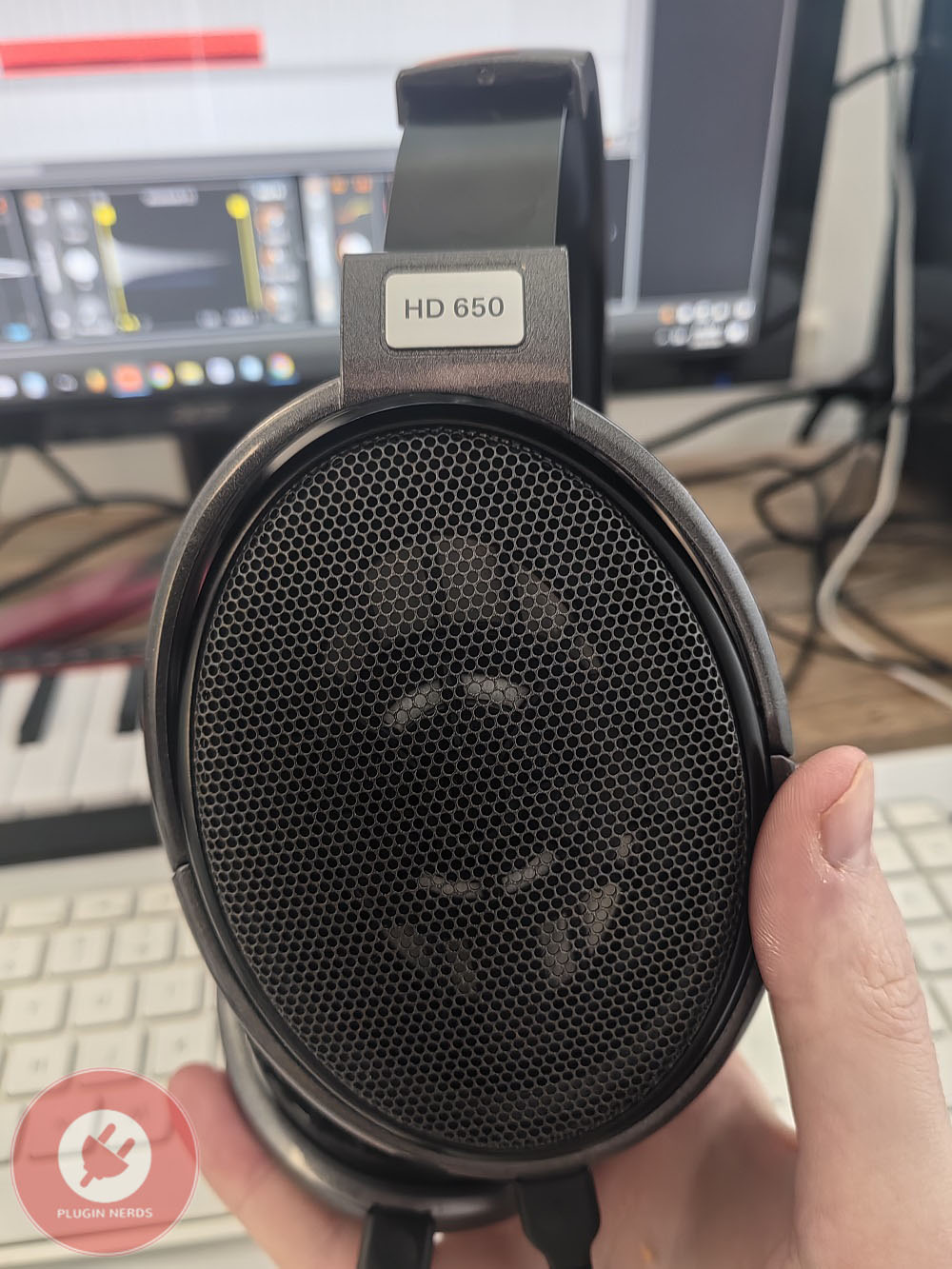
The treble is clear and detailed, but it’s a bit softer at the very top, which adds to the warm sound and makes it easy to listen to for hours. I find the highs gentle and smooth, with no harshness or sharpness.
Cymbals and hi-hats sound natural, not overly bright. Some people think the treble could use more energy, but I believe this smoothness makes them comfortable for long mixing sessions, unlike brighter headphones that can get tiring.
The soundstage is average for open-back headphones, with decent width and a bit of depth, but it’s not super spacious. The imaging is accurate, so you can place sounds in the stereo field easily, even if the overall stage feels more close-up than headphones like the AKG K712 Pro.
For mixing, I think accurate imaging matters more than a wide stage, and these do a good job here, making mixes translate well to other systems.
Get the Free Plugin Starter Kit
The genuinely useful free DAWs and plugins worth installing. No filler. Straight to your inbox.
Build quality
These are mostly made of good-quality plastic, with metal in key areas. They might not feel super premium at first, but they’ve proven to be durable over many years. The materials don’t feel cheap, and the modular design lets you replace parts if they wear out, so they last much longer than models that are glued together.
Comfort is extremely good, especially for long sessions. The thick velour earpads are soft and let your ears breathe, and the padded headband evenly distributes the weight. The clamping force is just right, secure but not too tight.
I can wear them for 6-8 hours without discomfort, and the open-back design keeps things cool, unlike closed-back headphones, which can get hot.
They weigh about 260 grams, and the balance feels neutral, neither pulling forward nor backward. With good weight distribution and comfy pads, I barely notice I’m wearing them, which is great when you want to focus on the music rather than the headphones.
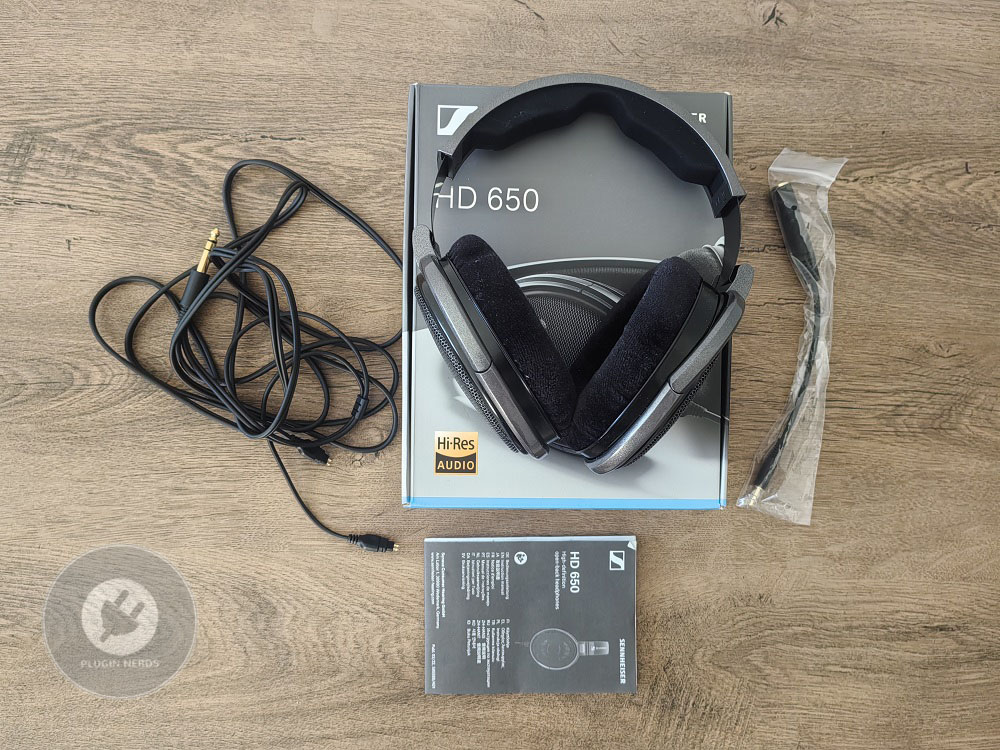
The cable uses Sennheiser’s own dual-entry design with locking connectors. You can’t use regular aftermarket cables without an adapter, but the connection is secure and won’t come loose by accident. The included cable is 3 meters long, works well, and ends in a 6.35mm jack for studio gear, with a 3.5mm adapter for other devices.
With an impedance of 300 ohms, these need a good headphone amp to sound their best. They don’t work well straight from phones or laptops with weak power, and I’ve noticed much better dynamics and bass when using proper amplification, so getting a decent amp or audio interface is important to get the most out of these headphones.
Real-World mixing and production use
For mixing, these provide a reliable reference once you get used to the warm sound and softer upper mids. I find them especially good for mixing vocals, acoustic instruments, and styles where natural mids are important. The smooth sound lets me work for hours without getting tired, which helps me make better decisions.
But because of the warm sound and softer bass, you need to check how your mixes sound on systems with more low-end. I’ve learned that the bass that seems balanced on these might be a bit much on other speakers, so it’s important to get used to their sound and compare your mixes on different gear for the best results. For mastering, I see these as a good secondary reference, not the main tool. The sound coloring can make final EQ tweaks tricky if you want your work to sound right everywhere. The details and mids are helpful for checking some things, but I wouldn’t use them alone for mastering without double-checking on more neutral headphones or speakers.
They really shine in critical listening and enjoying music. The warm, smooth sound makes it easy to listen for hours across most genres.
I think they’re especially good for jazz, classical, acoustic, folk, and vocal music, where the natural mids and gentle treble stand out. Electronic and modern pop can sound a bit relaxed compared to more lively headphones, but you still get great detail and quality.
Because they’re so comfortable and sound pleasant, it’s easy to listen for hours without getting tired. I think this matters more than pure analytical detail, whether you’re working or just enjoying music.
Value and market position in 2026
The HD650 usually costs between $350 and $450, putting it in the mid-range for open-back headphones. There are good alternatives at similar or lower prices, but if you like the warm, smooth sound and proven reliability, it’s still a solid choice. Newer models might suit other needs better, though.
These and their sibling, the HD600, use similar drivers but sound a bit different. The HD650 is warmer and smoother, while the HD600 is more neutral. If you want accuracy for mixing, the HD600 is better. If you want comfort and a forgiving sound for long listening, the HD650 is the way to go. The newer HD660S2 from Sennheiser has a bit more detail and brighter treble, but still feels similar. It costs more, but it fixes some of the issues people had with the original. If you want a more modern version, it’s worth a look.
If you compare these to headphones like the Hifiman Sundara, you give up some detail and the unique sound of planar drivers, but you get better build quality, reliability, and easier access to replacement parts. It really comes down to whether you care more about sound performance or long-term durability.
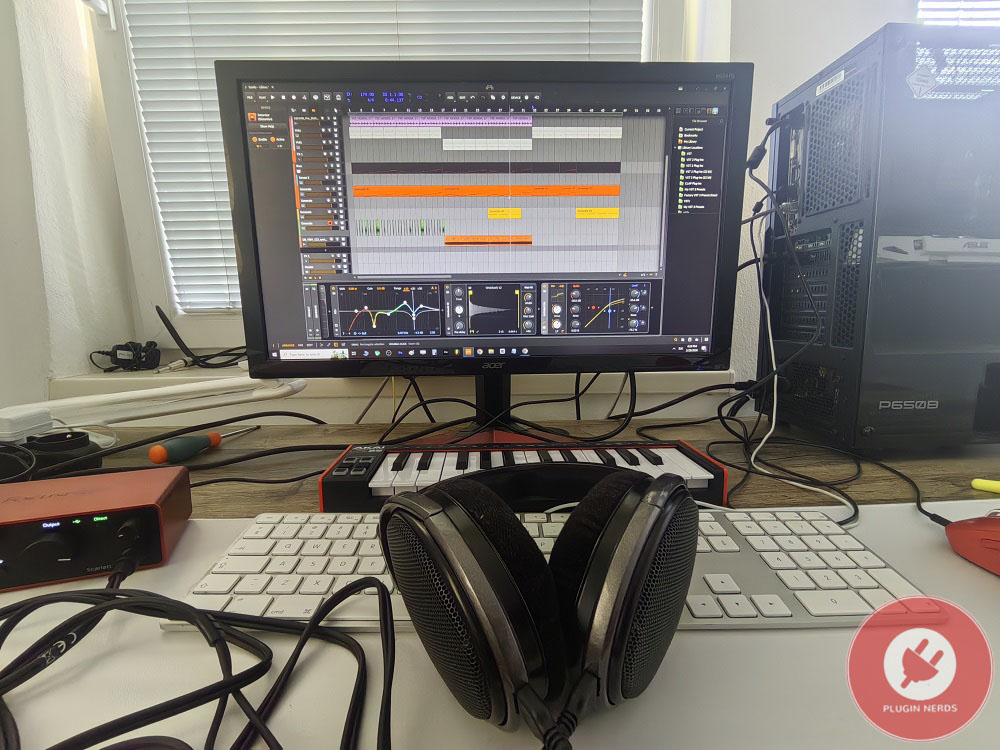
Last words
The Sennheiser HD650 offers a warm, smooth, and musical sound with great mids and top-notch comfort. The classic design has stayed relevant for over 20 years. The softer bass and upper mids make it easy to listen to for long periods, but keep this in mind for critical mixing.
If you want comfort, natural mids, and a sound that doesn’t tire you out, these are a safe and reliable pick. But if you need a more neutral sound for mixing bass-heavy tracks or want brighter treble, newer headphones might suit you better.
I still use them often because they’re so comfortable for long sessions, and the midrange is great for vocals and acoustic mixing. I know their sound well enough to adjust for their tone, so they’re a helpful tool, not a drawback.
These are excellent headphones with clear strengths and some limits, and knowing both helps you set the right expectations. For the right uses and tastes, they’re still a strong choice in 2026, but they aren’t perfect for everyone or every style of music.
Get the Free Plugin Starter Kit
The genuinely useful free DAWs and plugins worth installing. No filler. Straight to your inbox.

Hello, I’m Viliam, I started this audio plugin focused blog to keep you updated on the latest trends, news and everything plugin related. I’ll put the most emphasis on the topics covering best VST, AU and AAX plugins. If you find some great plugin suggestions for us to include on our site, feel free to let me know, so I can take a look!