
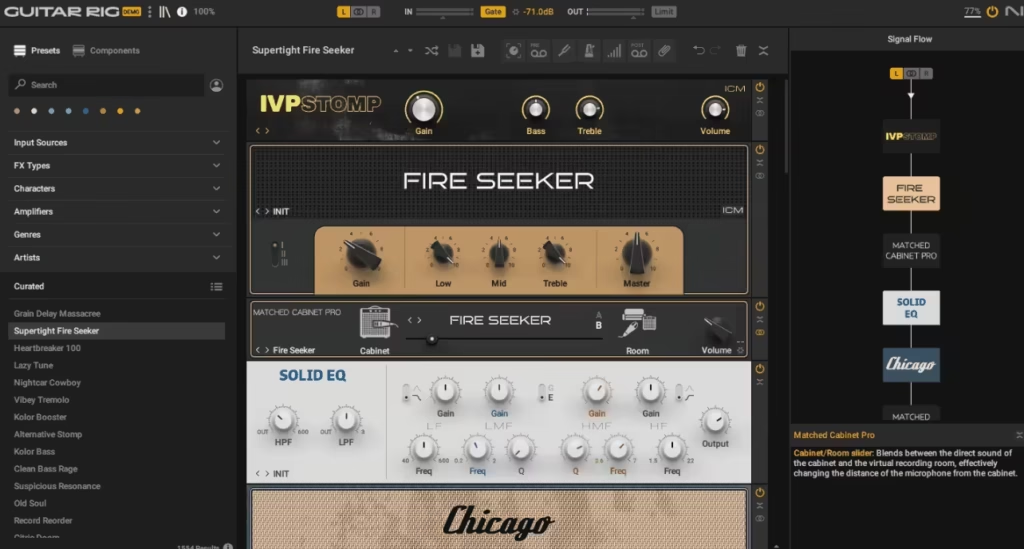
Guitar Rig has been around for nearly two decades, which is honestly kind of wild when you think about it. What started as a modest guitar amp simulator back in the early 2000s has grown into one of the most comprehensive guitar and bass processing suites on the market, and version 7 continues that trajectory in a meaningful way.
I think it’s fair to say that if you’ve ever wanted a single plugin that covers virtually every tone from clean blues to face-melting metal, this is probably the one you’ve been looking for. Two decades in, it remains a go-to software package for guitarists, adding new lo-fi effects with genuine analog flavor, and it works just as well live as it does as a full studio powerhouse.
The plugin does carry a price tag that makes you stop and think, but I believe it’s genuinely worth it for producers and guitarists who want a true all-in-one solution. The combination of the new ICM-powered amps, the expanded effects library, and the smarter browser makes this feel less like an incremental update and more like a proper reinvention of what a guitar plugin can do.
From the Pluginerds Store
Before you get into the plugins on this list, a few things that make playing and recording guitar feel more natural day to day — straps, hangers, and the small maintenance tools that never come included with anything.


New Amps
The four new amp models are easily the biggest headliner here, and I found each one carved out a distinct and useful sonic territory. What sets these apart from the older models is the Intelligent Circuit Modelling technology, which uses machine learning to capture how the original hardware actually responds dynamically to your playing.
I noticed the difference immediately when digging into the Super Fast 100. It breathed like a real amp does, cleaning up when you roll back your guitar’s volume and opening up when you push it.
The older emulations in the plugin can feel a touch flat by comparison, which is worth keeping in mind if you’re planning to mix old and new. Here’s a quick look at what the four new amps bring to the table:
- Super Fast 100 (Soldano-inspired): tight, controlled high-gain tones that stay articulate even at extreme settings
- Reverb Delight (Fender Deluxe-style): clear, bluesy clean tones with a warm, room-filling presence
- Bass Rage (Ampeg-style): big, defined low-end without muddiness, ideal for vintage or modern bass sounds
- AC Box XV (Vox AC-style): chimey, harmonically complex cleans with a gritty edge when pushed
These respond much more naturally to instrument dynamics than a lot of other software amp emulations, which is a direct result of the ICM capture process. For anyone who’s spent time chasing realistic amp feel in the box, that responsiveness is something you notice right away and don’t want to go back from.
Get the Free Plugin Starter Kit
The genuinely useful free DAWs and plugins worth installing. No filler. Straight to your inbox.
Cabinet IR Loader
I want to note that one of the smartest additions in version 7 is the Cabinet Impulse Response Loader, because it fundamentally changes how much control you have over your final tone. You can blend up to four IRs simultaneously with independent control over level and pan, and you can load your own third-party impulse responses alongside the factory selection.
For anyone who has spent time chasing the right cab sound, that blending capability alone is worth paying attention to. I found that layering a tight, close-mic’d IR with a slightly roomy one gave the guitars a sense of depth that felt more like a real recording session than a bedroom plugin.
The signal routing options have also been expanded significantly, with mid/side splitting and a crossover that lets you send high and low frequencies down completely separate processing chains. For me, that crossover routing is genuinely exciting for bass especially, where you can run a clean low-end through a bass amp while the upper harmonics stay crisp and unprocessed.
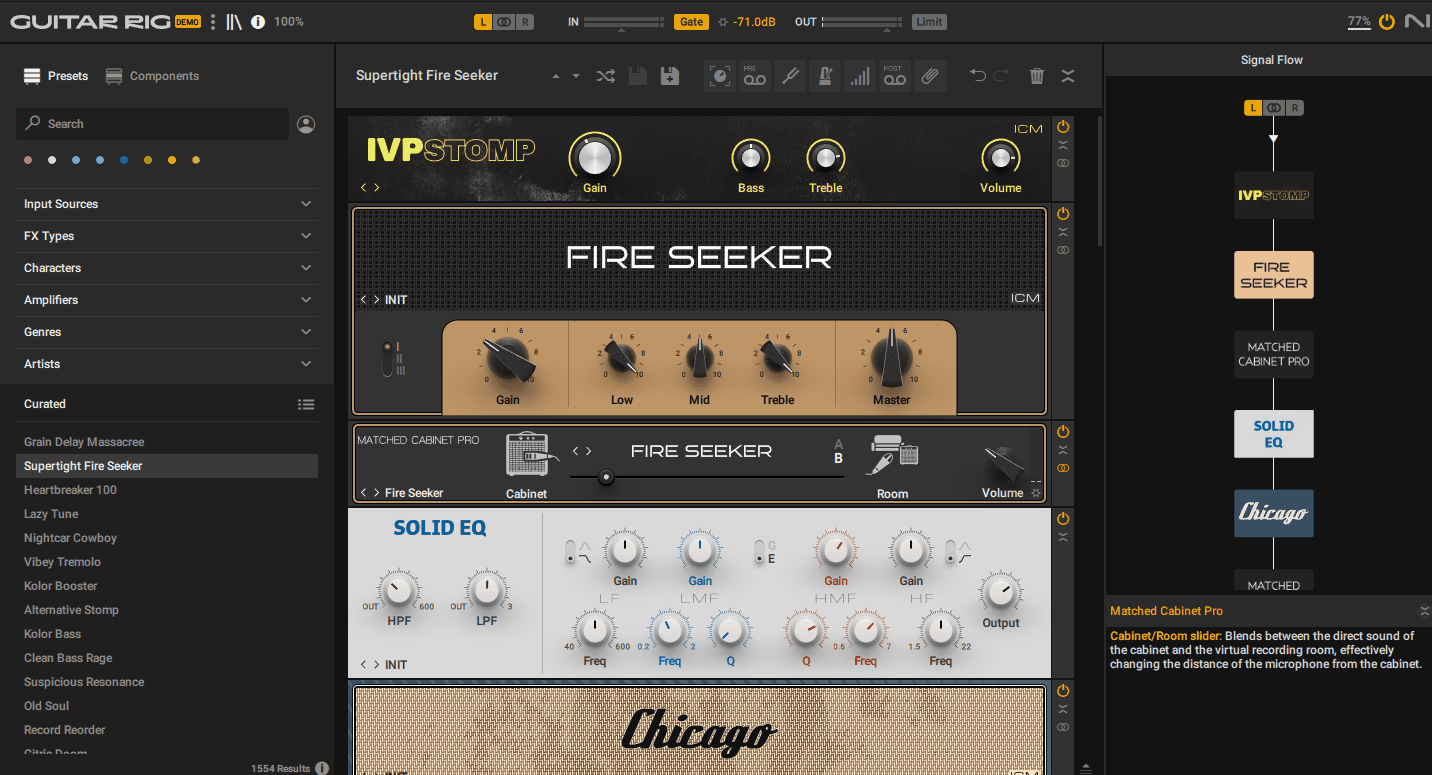
I realized that this feature really does push the plugin into professional production territory. The new sidebar signal flow view also makes it much easier to visualize what’s happening across your chain at a glance, which becomes genuinely useful once you start building more complex setups.
Lo-Fi Components
The four new lo-fi components, Tape Wobble, Noise Machine, Vintage Vibrato, and Kolor, add analog texture and character that goes well beyond the typical guitar processing use case. I appreciate these a lot because they open the plugin up to producers who might not even play guitar.
Layering Tape Wobble over a synth pad or vocal sample gives you that worn, cassette-deck quality that’s everywhere in modern production right now. The Noise Machine does a convincing job of adding mechanical tape hiss and room ambience, and Kolor handles everything from subtle saturation all the way to full-on drive using a couple of different algorithms under the hood.
The effects units and wide range of sound-shaping tools make this a fantastic production tool even if you never plug a guitar into it. I think that’s the part people underestimate until they actually spend time with it.
The Loop Machine Pro is also back after going missing in version 6, and it’s a meaningful addition for anyone who jams solo or wants to sketch ideas quickly. You can export both the mixed loop and the individual layers, and if you clear the signal chain while the looper is active, your recordings stay in place so you can build a completely new chain around them. I’d say the looper is most comfortable with a MIDI controller attached since the software controls can get fiddly, but even without one it’s a usable scratch pad.
Presets and the Browser
The new filterable preset browser lets you search by genre, character, FX type, and even input source, which is a genuinely useful addition for anyone navigating a library this large. I found myself landing on usable starting points much faster than I expected, and the Artist presets curated by professional players sound very cool right out of the box.
There are around 100 new presets in total, and the rock and metal ones in particular feel more refined and polished than previous versions, with tones that feel ready to sit in a mix without a lot of additional tweaking. Presets like Tight and Chunky make riffs feel alive, thick, and punchy in a way that makes you want to keep playing.
I suggest spending at least a solid hour just browsing before you start building from scratch, because there’s a lot of inspiring material in there that can unlock directions you might not have considered. The lo-fi preset category is especially strong, covering everything from warm, dusty pad tones to full-on degraded tape chaos, and a couple of clicks gets you to a handful of solid starting points for any of those directions.
For what it costs, Guitar Rig 7 Pro delivers a depth of tone-shaping capability that would take a room full of hardware to replicate. I mean that genuinely. If you’re a guitarist, producer, or sound designer who wants a plugin that grows with you, this is one of the most complete options available right now.
Check here: Native Instruments Guitar Rig 7 Pro
Get the Free Plugin Starter Kit
The genuinely useful free DAWs and plugins worth installing. No filler. Straight to your inbox.

Hello, I’m Viliam, I started this audio plugin focused blog to keep you updated on the latest trends, news and everything plugin related. I’ll put the most emphasis on the topics covering best VST, AU and AAX plugins. If you find some great plugin suggestions for us to include on our site, feel free to let me know, so I can take a look!