
CHEat code is one of those plugins that doesn’t really behave like the multi-FX tools you’re probably used to.
Instead of stacking a bunch of standard effects in a predictable signal chain, BEATSURFING built this one around 16 genuinely unusual effect modules and a routing system that blurs the line between serial and parallel processing in ways I haven’t seen before.
The plugin was developed in collaboration with Che Pope, the Grammy-nominated producer whose credits include work with Lauryn Hill, Kanye West, Dr. Dre, Eminem, A$AP Rocky, The Weeknd, and plenty more.
His involvement shapes the whole philosophy behind CHEat code, leaning hard into creative sound transformation and bypassing limitations rather than refining what traditional multi-FX tools already do.
So, is this plugin worth it? I’d say yes, especially if you care about sound design, creative processing, and tools that push you somewhere unexpected.
This one sits in a strange category where there genuinely isn’t another plugin doing the same thing, and once you spend time with it, you find yourself reaching for it in situations where nothing else quite works.
For me, what makes the plugin so compelling is how chaotic and unpredictable the results can be, yet somehow everything still sounds cohesive and musical rather than just random.
From the Pluginerds Store
A quick mention: alongside the blog, we run Pluginerds Shop, our own store for studio hardware and accessories. Everything on it is there because someone on this team actually uses gear like it, not because it was the cheapest thing to list.
Visit Pluginerds ShopInside the Plugin
Tools like Output Movement, Baby Audio Transit, Sugar Bytes Turnado, and iZotope Stutter Edit all follow variations of that approach, and they’re genuinely great at what they do. But CHEat code throws that whole playbook out and builds something different from the ground up.
Here is what you are getting:
- 16 Unconventional Effect Modules:
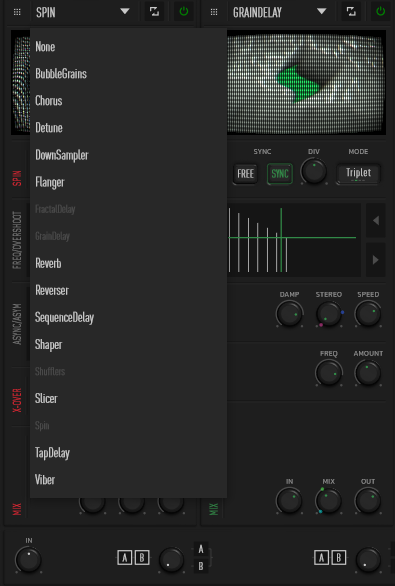
These aren’t your standard reverbs, delays, and filters. The selection leans into granular synthesis, warped delays, rhythmic slicing, textural processing, and other unusual transformations. Each one is designed to produce something you wouldn’t get from a typical effect.
- Fluid Serial/Parallel Routing:
The knob controlling routing between modules isn’t a binary switch. It’s a stepless control that smoothly crossfades between series and parallel processing.
Set it at 12 o’clock, and you get exactly half of each path blended together, which is something I’ve honestly never seen in another plugin.
- Performance Widget:
Momentary effect throws and touch-sensitive automation returns let you capture the spontaneity of live performance inside your DAW. This is a cool addition that makes the plugin feel more like a live instrument than a static effects rack.
- Four Advanced Macros:
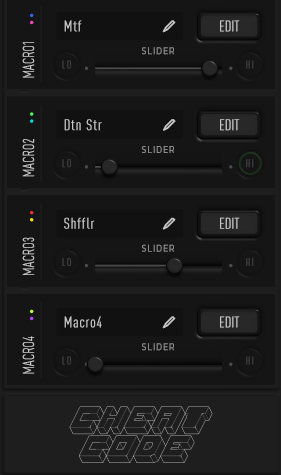
Four macro knobs let you assign multiple parameters at once with custom ranges, shapes, and movement rates, simplifying complex sound design into intuitive performance controls.
- Randomize Button:
A top-level randomize button shuffles all parameters across all active modules, while each module also has its own randomizer. Combined with undo and redo buttons that go back 10 steps each direction, you can explore sonic territory rapidly without losing ideas along the way.
What I love most about this one is how it encourages happy accidents. You hit the randomize button, hear something unexpected, and suddenly you’ve got a starting point for a track that wouldn’t have come out of your normal workflow.
What I don’t like is that it doesn’t randomize effects themselves, that would be really cool, just like in the Sugar Bytes Turnado.
“CHEat code is an advanced tool that you won’t get your money’s worth for unless you spend the time mastering it.”
Get the Free Plugin Starter Kit
The genuinely useful free DAWs and plugins worth installing. No filler. Straight to your inbox.
The 16 Effect Modules
The real depth of the plugin lives in its 16 modules, which cover a wide sonic range rather than giving you 16 variations of the same effect.
Each one has its own personality and its own specific use cases. The modules break down into roughly three creative families based on what they actually do:
- Space and Time Effects:
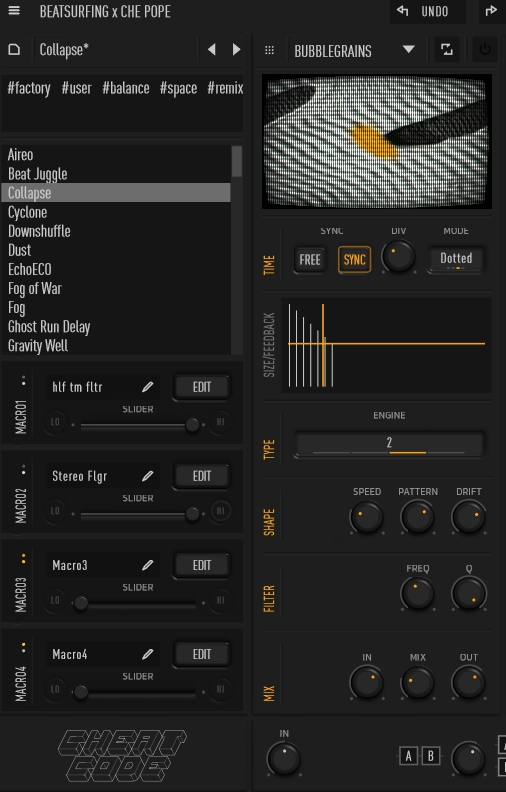
This group includes Reverb (from subtle ambience to vast washes), Tap Delay (tap rhythms manually for intuitive echoes), Sequence Delay (step-sequenced delay time, filter, pan, and amp), Fractal Delay (14 delay taps across 3 stages for deep rhythmic complexity), Grain Delay (complex granular echoes with four engines and crossfading textures), and Bubble Grain (textural granular delay with unique character).
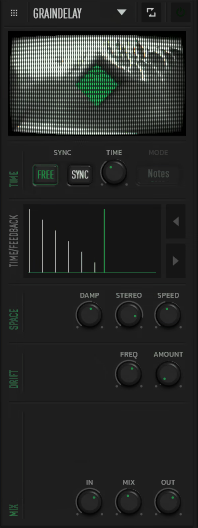
The delay variety alone goes way beyond what most plugins offer.
- Modulation and Tonal Shaping:
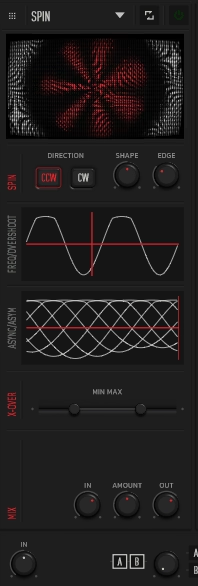
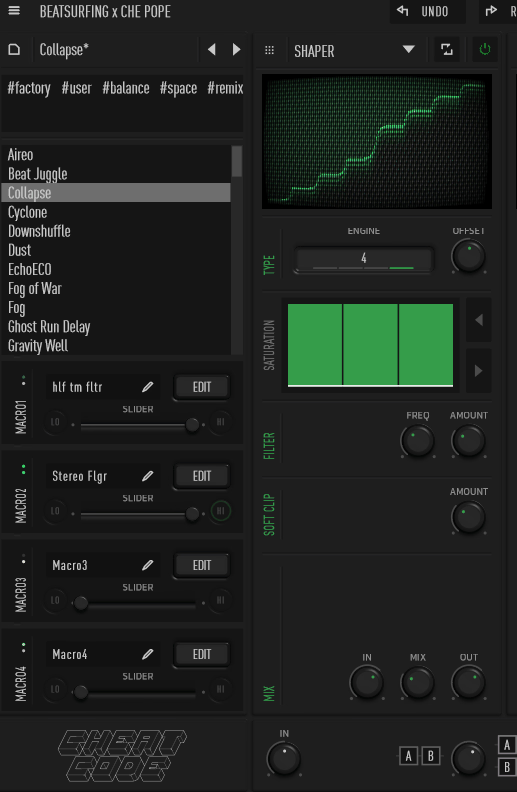
Here you’ve got Chorus (seven distinct algorithms for thickening and widening), Flanger (targets highs for shimmer or mids for warmth), Detune (subtle drift to unstable pitch), Viber (split-frequency pitch warping or octaving), Shaper (saturation waveshaper with ripple and asymmetry control), DownSampler (classic sample rate reduction for digital grit), and Spin (7-band panning with asynchronous stereo movement).
- Rhythmic and Time-Based Transformation:
The most aggressive modules sit here, including Slicer (precise multi-band cuts and stutters), Shuffler (3-band engine for slicing and rearranging audio in real time), and Reverser (instant halftime, backward melodies, rhythmic glitches).
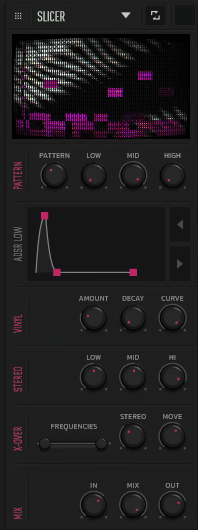
Each module only uses four slots at a time, so you pick four out of the 16 for any given instance.
Chosen effects are greyed out in the menu, which means you can’t duplicate the same effect within one instance, but running multiple instances across tracks works fine.
I’ve found the combination of modules matters way more than the individual effects. Running a Reverser into a Bubble Grain into a Fractal Delay produces something none of those effects could create on their own, and the crossfade routing between serial and parallel paths adds another layer of variation.
The Routing System
The fluid routing system is honestly one of the coolest things about this plugin, and it’s something that sets the tool apart from nearly every other multi-FX option on the market.
Between each module, there’s a knob that controls how the signal flows to the next module. Turn it fully one way, and the signal processes in series, with each module affecting the output of the previous one.
Turn it the other way, and the modules run in parallel, each processing the dry signal independently before being summed together. What’s genuinely unique is everything in between.
At 12 o’clock, the plugin blends serial and parallel paths in equal amounts, and you can dial the knob to any point along that crossfade.

This means you get subtle gradations between the two routing approaches, which translates into sonic variations that aren’t possible with traditional binary switches. I realized pretty quickly that the routing knob is one of the most powerful sound design controls in the plugin.
Moving it even slightly can completely change the character of a patch, turning what sounds like a stacked chain into something that feels more like a layered blend.
“Unlike traditional FX plugins where you choose between serial or parallel routing, this one lets you explore everything in between.”
The Sound
The sound is what really separates this plugin from the crowd, because the effects themselves have a distinct character that you don’t get from more conventional multi-FX tools.
A few modules stand out in particular:
- The Delay Family:
The Fractal Delay produces rhythmic complexity that would take serious routing work to achieve in other plugins, while Bubble Grain and Grain Delay bring granular textures that feel more musical than the usual granular effects you find in sound design tools.
- The Rhythmic Section:
On the rhythmic side, the Shuffler does things to beats that honestly feel like real-time beat surgery. It slices and rearranges audio on the fly in ways that can transform a basic loop into something completely new, while the Reverser adds instant halftime, backward melodies, and rhythmic glitches in real time without any offline processing.
- The Texture and Tone Modules:
The Shaper, DownSampler, and Detune modules bring character and grit that feels musical rather than harsh, which I didn’t expect given how aggressive these kinds of effects can be in other plugins.
What impressed me most is how cohesive everything sounds even when you push the plugin into extreme territory. A lot of creative multi-FX tools fall apart when you stack aggressive effects together, whereas this one seems to stay musical no matter how far you push it.
I want to note that the plugin can get loud fast, especially with granular delays and feedback-based modules engaged.
Putting a limiter at the end of your chain is genuinely worth considering, because spikes can occur as you experiment with routing and macro settings.
Performance and Workflow
Beyond the effects and routing, CHEat code includes several features that make it work equally well as a live performance tool and a studio sound design environment.
The Performance Widget adds momentary effect throws that let you engage effects briefly with a button press, plus touch-sensitive automation returns that snap parameters back to their default position when you let go.
These are genuinely useful for improvised performance, live tweaking during recording, or adding spontaneous dynamics to otherwise static tracks. The four macros handle complexity reduction elegantly.
You can assign almost any parameter to a macro knob with custom ranges, shapes, and rates of movement. This turns the plugin into something you can genuinely perform with once you’ve set up your macros, rather than just an effects rack you tweak with a mouse.
The randomize buttons are where this tool becomes an idea generator rather than just a processor. Click the global randomize, and every parameter across every active module shifts simultaneously.
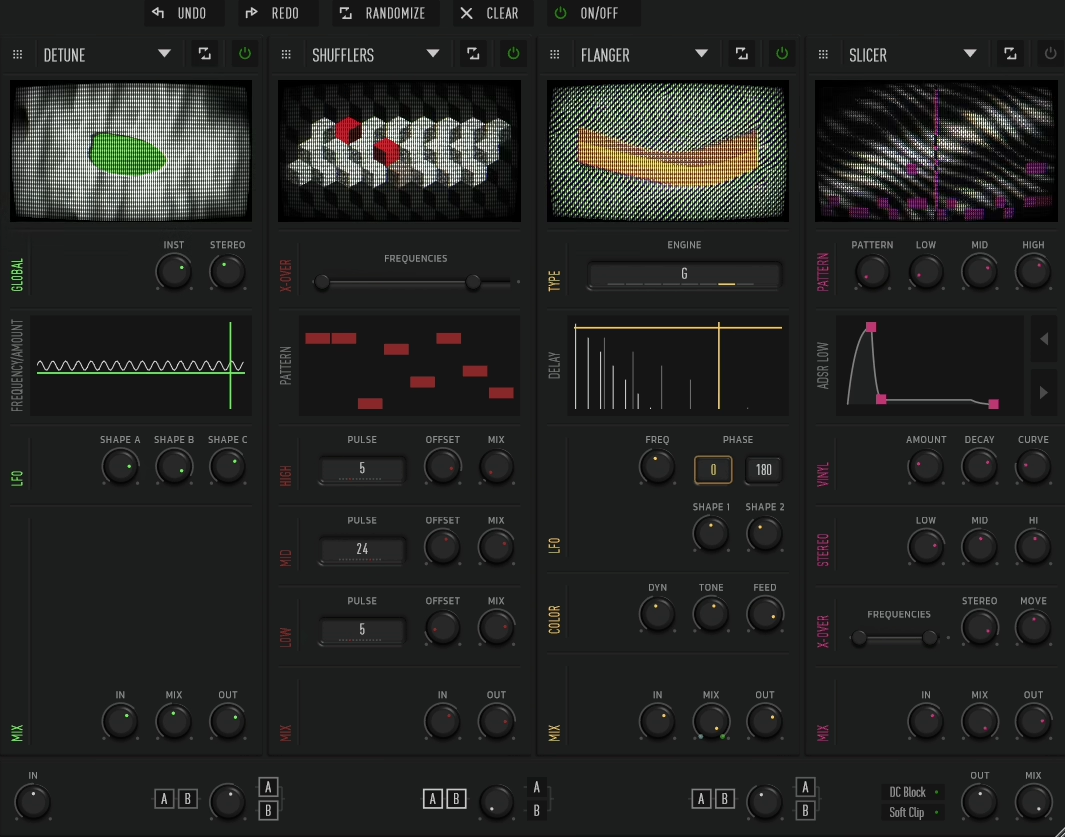
Click the per-module randomize, and just that one effect randomizes while the others stay locked in place.
The combination of both approaches, paired with undo/redo covering 10 steps each way, turns the plugin into a kind of sonic exploration environment. The old-TV aesthetic of the interface deserves a mention, too.
The visual design feels deliberately different from the polished modern look most plugins chase, and it gives the whole experience a bit of personality that makes you want to spend time with it.
“I absolutely love the old-TV aesthetic this plugin is going for, and the randomize button is where creativity truly gets inspired.”
Who Should Use It
CHEat code isn’t for every producer, and I think being clear about that helps you decide whether it fits your workflow.
- Electronic and Experimental Producers:
The plugin thrives in hip-hop, trap, future bass, IDM, and experimental electronic production where creative sound transformation is part of the genre’s DNA. If you work in any of these spaces, you’ll find yourself reaching for it constantly.
- Sound Designers for Games, Film, and Media:
The unusual texture and rhythmic modules turn any source into abstract, otherworldly material that works perfectly for sci-fi, horror, experimental media, and sound design contexts.
- Beat-Focused Producers and Finger Drummers:
The Shuffler, Slicer, Reverser, and various delays are built for beat manipulation, making the plugin particularly useful for producers who treat their drum loops as raw material rather than finished elements.
- Performers and Live Electronic Musicians:
The Performance Widget, macro system, and real-time randomization make this a legitimately useful tool for live electronic performance, especially if you’re comfortable mapping the macros to an external controller.
For producers working in conventional pop, rock, or acoustic genres where subtlety is the priority, this one probably isn’t the right fit.
The tool is loud, expressive, and transformational by design, which doesn’t always serve songs that need polished, transparent processing.

Pros and Cons
Pros
- Unique 16-Module Selection:
The 16 effects aren’t just variations of standard processors, they’re genuinely creative tools that produce results you can’t get elsewhere. You get granular delays, rhythmic slicers, reversers, and textural processors that go far beyond what typical multi-FX tools offer.
- Fluid Serial/Parallel Routing:
The ability to crossfade between serial and parallel signal paths rather than choosing one or the other is a genuine innovation in multi-FX design. Setting the routing knob anywhere between the two extremes opens up sonic variations you simply can’t achieve with traditional binary switching.
- Randomize Workflow:
The global and per-module randomizers combined with 10-step undo/redo turn the plugin into a rapid idea generator rather than a static tool. You can explore dozens of sonic directions in minutes without losing the settings you actually liked along the way.
- Performance-Focused Design:
Momentary effect throws, touch-sensitive automation, and macro control make this useful for live performance and not just studio production. These features transform the plugin from a static effects rack into something you can genuinely play with as part of a performance.
- Great value for what you get..
Sixteen creative effects plus the routing system, performance tools, and macro system in one plugin is a lot of plugin for the money. Given that many of the individual effects could justify their own dedicated plugin, the overall package feels like a steal once you factor in everything it offers.
Cons
- Learning curve:
With 16 modules, fluid routing, macro assignments, and randomization all happening at once, the plugin can feel overwhelming when you first load it up. You’ll need to spend real time with it before the workflow clicks into place.
- Chaotic workflow:
The randomize-driven approach is a big part of the appeal, but it can also work against you when you need precise, repeatable results. Some producers find the unpredictability more frustrating than inspiring, especially in mix contexts where consistency matters.
- CPU Demands:
Running multiple instances with granular delays, shufflers, and heavy modulation active can put real load on your system. You’ll want a reasonably modern machine to run the plugin comfortably across an entire session.
- Tool wild / not Ideal for Subtle Productions:
The plugin is built around bold, transformational effects rather than transparent mixing tools. If you work primarily in acoustic, classical, or polished pop productions where restraint is the priority, this one probably won’t earn its place in your template.
Final Thoughts
CHEat code is genuinely one of the more creative multi-FX plugins to come out in a while, and BEATSURFING has built something that stands apart from the crowded multi-FX space rather than just competing in it.
The combination of 16 unique effect modules, fluid serial/parallel routing, performance-focused features, randomization workflow, and the collaboration with Che Pope creates a plugin that actively encourages sonic risk-taking.
I’d say the routing system alone is worth exploring, because I haven’t seen another plugin crossfade between serial and parallel in quite the same way. I want to note that this one isn’t designed to be your only multi-FX tool.
If you need transparent, surgical effects for polished productions, dedicated processors still make more sense for those jobs. Likewise, if you prefer workflows where everything is predictable and repeatable, the chaotic nature of this plugin might feel more like a problem than a feature.
That said, for producers who want a tool that actively pushes their sounds somewhere unexpected, this plugin is one of the more exciting investments available. The sound quality holds up under extreme use, the routing and performance features genuinely expand what’s possible, and the creative possibilities keep revealing themselves the longer you spend with it.
For electronic producers, beatmakers, sound designers, and live performers who treat effects as instruments rather than just processing tools, I’d recommend this one as a plugin that earns a permanent spot in your template rather than sitting unused after the novelty wears off.
More Info & Price: CHEat code (14-day return policy)
Or Buy Here: CHEat code (Support Pluginerds)
Get the Free Plugin Starter Kit
The genuinely useful free DAWs and plugins worth installing. No filler. Straight to your inbox.

Hello, I’m Viliam, I started this audio plugin focused blog to keep you updated on the latest trends, news and everything plugin related. I’ll put the most emphasis on the topics covering best VST, AU and AAX plugins. If you find some great plugin suggestions for us to include on our site, feel free to let me know, so I can take a look!