
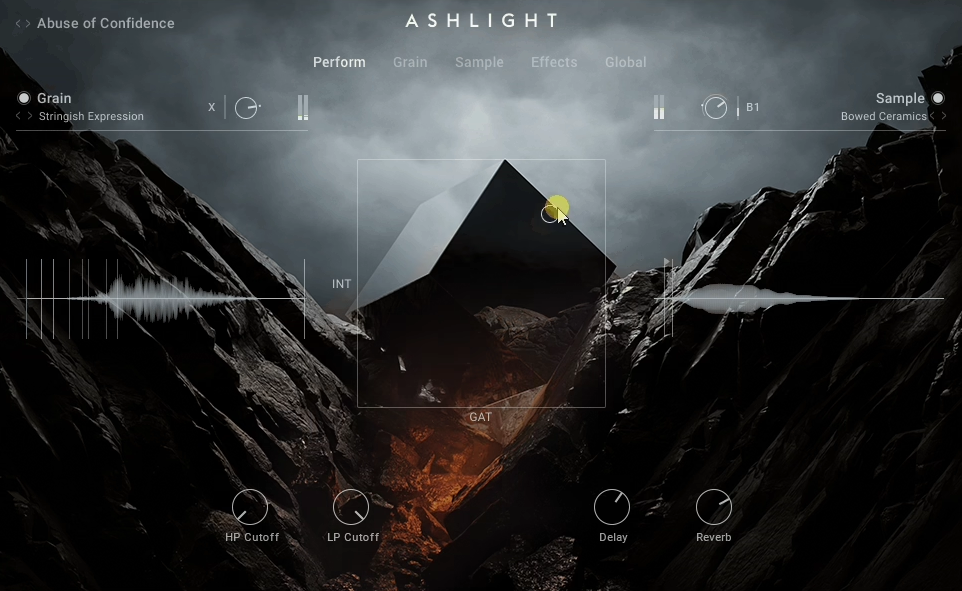
Native Instruments has spent years building out their Kontakt library ecosystem, and the releases that tend to stand out most are the ones that commit completely to a specific sonic identity rather than trying to cover broad ground. Ashlight is one of those releases: a dark texture and atmosphere library built specifically for composers and producers who work in spaces where dread, tension, and emotional weight are the creative brief rather than occasional accents.
The library draws its character from processed and designed sound sources rather than conventional acoustic instrument recordings, which puts it in a specific category of Kontakt instrument that functions more like a sound design toolkit than a traditional sample library.
Unlike other great Kontakt libraries that aim for realistic instrument reproduction, Ashlight is deliberately designed to occupy the space between recognizable sound and pure atmosphere. I think this distinction matters because it shapes how you use it: you’re not reaching for Ashlight when you need a realistic cello section or a brass choir, you’re reaching for it when you need the kind of dark, breathing, evolving texture that no acoustic instrument naturally produces on its own.
For composers working in horror scoring, dark ambient, cinematic trailers, and any production context where atmosphere and tension are primary creative goals, Ashlight is worth adding to your toolkit.
The specific timbral territory it covers is genuinely difficult to build from scratch using conventional synthesis or sample tools, and having a dedicated instrument that does it well saves significant time and delivers more convincing results than patching something together from unrelated sources.
What Is Ashlight?
At its core, Ashlight is a dark texture and atmosphere instrument for Kontakt, designed around layered sound sources that emphasize low-frequency weight, slow-moving timbral evolution, and the specific kind of unsettling harmonic content that defines modern cinematic horror and tension scoring. It sits in a well-established but genuinely demanding category of sample library: the kind of tool that has to sound convincing in contexts where the listener is paying close attention to emotional atmosphere, which means cheap or unconvincing source material is immediately exposed.
I believe what separates a genuinely useful dark texture library from a mediocre one is the quality and specificity of the source recordings and designed elements, and Ashlight reflects serious attention to both. The sounds have weight and internal complexity rather than feeling like simple sustained tones with reverb applied, and that internal complexity is what makes them work in professional contexts where a generic dark pad would feel out of place.
Get the Free Plugin Starter Kit
The genuinely useful free DAWs and plugins worth installing. No filler. Straight to your inbox.
Inside the Engine
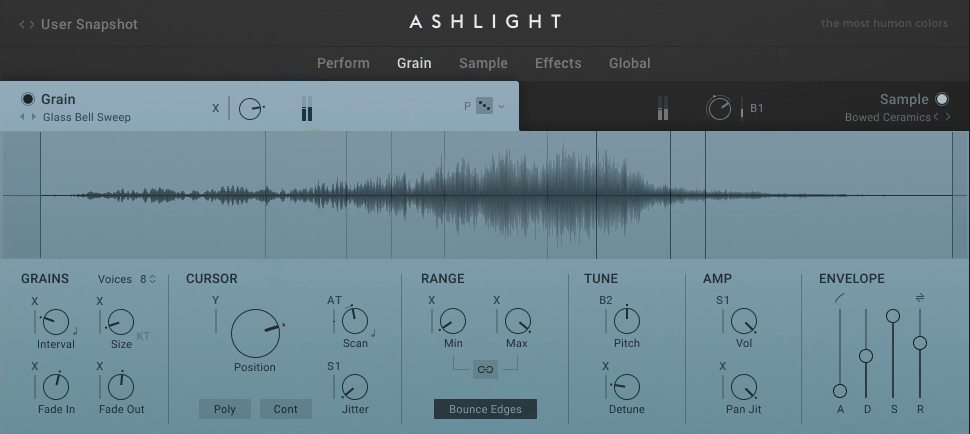
The synthesis and playback architecture inside Ashlight is built around the Kontakt engine’s capabilities for layering, filtering, and modulating multiple sound sources simultaneously, which gives you significant control over how the textures evolve and respond to your playing.
The layering system allows you to combine multiple elements from within the library at adjustable levels, which means you’re not locked into fixed preset combinations but can build the specific texture density and character that a given cue requires.
- Sound Sources
The underlying material that Ashlight draws from includes processed acoustic recordings, designed synthetic elements, and granularly processed source content that sits ambiguously between recognizable instrument and pure texture. This ambiguity is musically important: the most effective dark atmosphere textures tend to carry a suggestion of something organic without being obviously identifiable as a specific instrument, and the source material here occupies that space consistently.
I noticed that the lower frequency content in the library has particular strength and presence, which is where dark texture instruments most commonly disappoint. Building genuine weight and sub-frequency tension requires either very well-recorded low-frequency source material or sophisticated synthesis, and Ashlight delivers that low end with enough body and definition that it translates across different monitoring systems rather than disappearing on smaller speakers.
- Modulation and Movement
Static textures have limited practical value in scoring contexts because they don’t evolve with the dramatic arc of a scene, and Ashlight addresses this with modulation options that allow the textures to breathe, shift, and develop over time. The LFO and envelope controls give you the ability to animate filter cutoff, layer balance, and other parameters in ways that create slow, organic movement without requiring manual automation of every parameter across the timeline.
I found the modulation depth particularly useful for trailer and horror contexts where a texture needs to build tension gradually over thirty to sixty seconds without sounding like it’s looping or repeating. The ability to set modulation rates below the standard LFO minimum of most synthesizers means you can create movement that’s measured in minutes rather than seconds, which is exactly the timescale that long dramatic tension cues operate on.
The Darkness It Delivers
What Ashlight actually sounds like in practice is the most important thing to understand before deciding whether it belongs in your toolkit, and I’d say the character sits in specific territory that’s worth describing precisely. The textures lean toward the organic and physical rather than the purely synthetic: there’s a sense of mass and material to the sounds, as though they’re emanating from something large and physical rather than being generated by an oscillator.
- Tonal Character
The harmonic content of the library’s textures emphasizes the lower overtones and introduces subtle inharmonic content that creates the specific unease associated with dark cinematic scoring. This inharmonicity is carefully controlled rather than random: the sounds are unsettling in a musical way rather than simply harsh or unpleasant, which means they function as compositional elements that carry emotional weight rather than as sound effects that simply announce “this is scary.”
I must say that the dynamic range within individual presets is one of the more impressive aspects of the library: the difference between playing softly and playing with full velocity produces genuinely different textural characters rather than simply different volume levels. This velocity sensitivity means you can use keyboard dynamics to shape the emotional intensity of a cue in real time rather than relying entirely on written automation.
- Preset Variety
The preset library covers the range from subtle, almost subliminal tension through to more overt and dramatic dark atmosphere, with enough variation between presets that you can find textures suited to different emotional temperatures within the same genre. For me, the most valuable presets are the ones that work in the middle range: subtle enough to sit underneath dialogue and action without dominating, but present enough to color the emotional atmosphere of a scene meaningfully.
Playing and Expression
One thing that distinguishes a genuinely playable dark texture instrument from a collection of audio loops is how it responds to the keyboard and to real-time performance gestures, and Ashlight is designed with playability as a genuine priority rather than as an afterthought. The mapping across the keyboard respects the natural relationship between pitch and character: lower register playing produces genuinely different emotional results from upper register playing rather than simply transposing the same texture up or down.
- Velocity Response
The velocity response across the library is calibrated specifically for the way composers and producers actually play texture instruments, which is typically at moderate velocities with occasional emphasis rather than with the full dynamic range of a piano performance. The sweet spot of the velocity curve produces sounds that are immediately useful without requiring adjustment, and the extremes of the range produce genuinely distinct character rather than simply clipped or amplified versions of the middle range.
I love how playing into a sustained texture with increasing velocity produces the sense of the sound growing from within rather than simply getting louder. This internal swell behavior is one of the specific qualities that makes a dark texture instrument feel alive rather than mechanical, and it’s something that simpler implementations consistently fail to achieve convincingly.
- Articulations and Performance Controls
Beyond basic pitch and velocity response, the performance controls available within Ashlight include macro assignments that let you shape the texture character in real time with hardware controllers or automation. The assignable macro controls cover parameters like texture density, filter character, and modulation depth, which are exactly the dimensions of control that matter most when you’re performing a texture part live against picture rather than drawing everything in after the fact.
Living Inside Kontakt
Running as a Kontakt instrument means Ashlight inherits all of the practical advantages of that platform: stable performance across DAW environments, consistent behavior across operating system updates, and compatibility with any workflow that already includes Kontakt as part of its tool set. I appreciate this more than it might seem like a basic requirement, because dark texture instruments in particular tend to be the kind of tools that get loaded once and left running for an entire session, which means stability and low CPU overhead matter significantly.
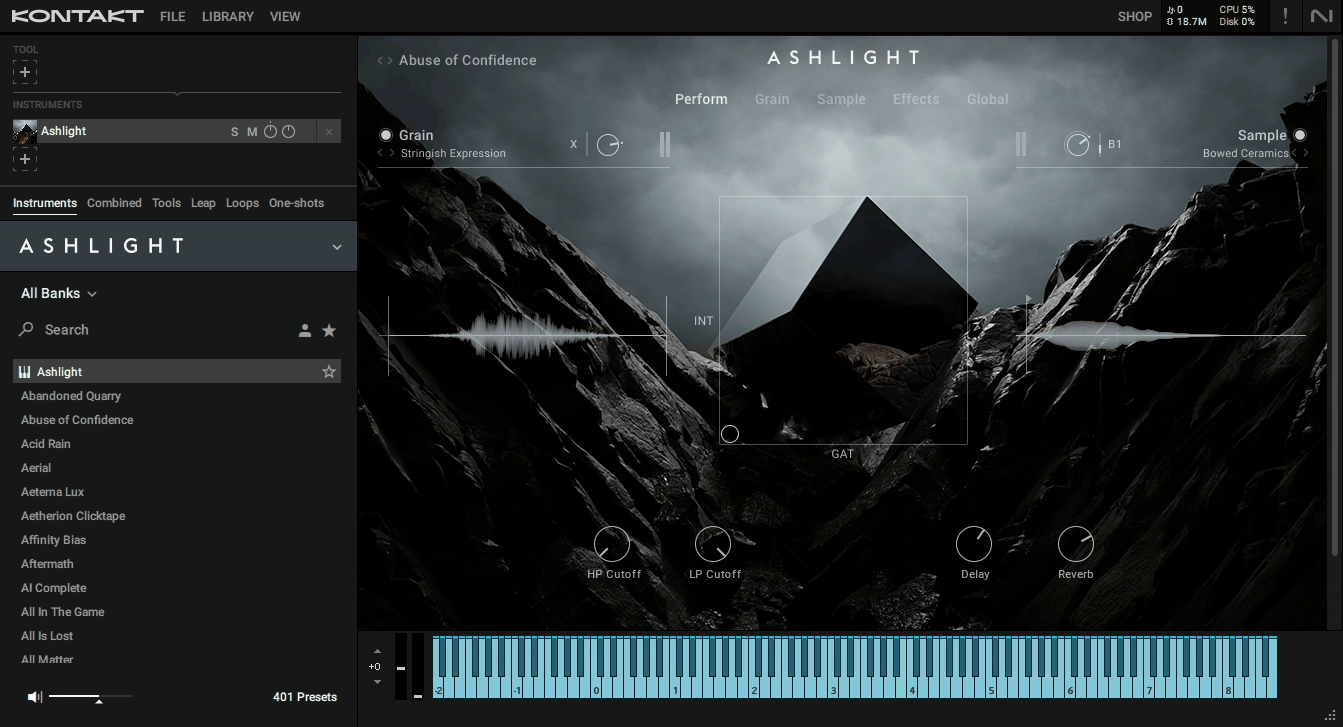
The Kontakt interface that Ashlight uses is clean and focused on the parameters that matter most for this specific kind of instrument: layer balance, filter character, modulation depth, and the macro controls.
It doesn’t present you with an overwhelming array of synthesis parameters that require deep configuration to get useful results: the design philosophy is clearly oriented toward getting you to a usable and inspiring sound quickly, then giving you the tools to refine from there.
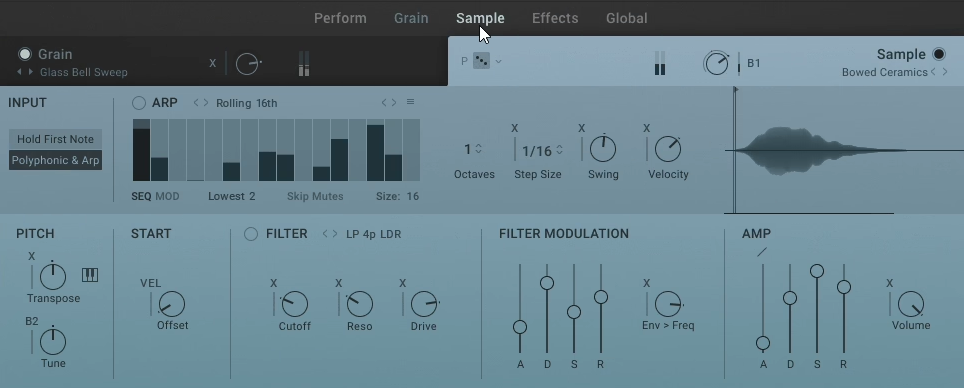
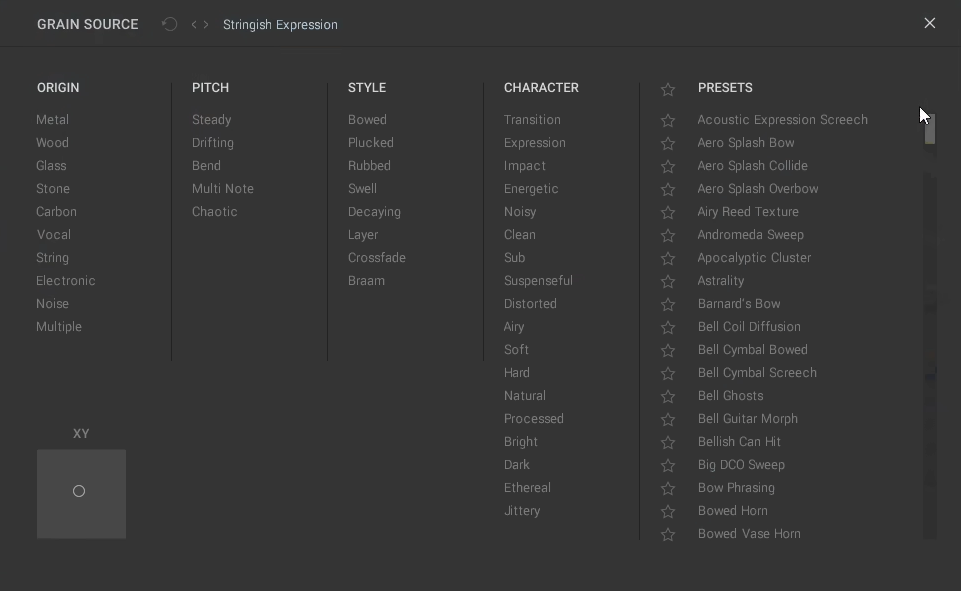
I have to say that the browser integration within Kontakt works well for navigating the preset library: the categorization reflects how composers actually think about dark texture material, organized by emotional character and intensity rather than by technical synthesis parameters, which makes finding the right preset for a specific cue much faster than it would be with a less thoughtfully organized library.
Where It Belongs in a Mix
Dark texture instruments live or die by how well they integrate with the rest of a composition without dominating it, and Ashlight is specifically designed to sit in a mix rather than to stand alone as a featured element. The frequency balance of the textures leaves room for melodic and rhythmic elements to occupy their natural space, which means you can layer it under strings, brass, and percussion without constant EQ surgery to prevent it from crowding everything else out.
In my opinion, the most effective use of Ashlight in a scoring context is as a low-level continuous presence that colors the emotional atmosphere of a scene without the audience consciously noticing it. The textures at moderate velocity and moderate density sit at a level of subtlety where they affect how the listener feels without them being able to identify what’s creating that feeling, which is exactly where the best dark atmosphere writing operates.
I realized that Ashlight also works effectively in hybrid electronic contexts beyond pure scoring: in dark techno, industrial ambient, and experimental electronic music where atmosphere and tension are compositional goals, the library provides source material that has more depth and organic quality than synthesized alternatives, and the Kontakt playback engine gives you enough control over how that material is presented to integrate it into productions that are primarily electronic in character.
Is It Worth It?
The honest answer depends entirely on how central dark atmosphere and tension scoring is to your practice. If you regularly work in genres or contexts where this kind of material is needed, Ashlight solves a specific problem better than most alternatives: it gives you access to professionally recorded and designed dark texture content in a playable, expressive instrument that integrates cleanly into any Kontakt-based workflow.
I suggest evaluating it against the specific gap in your current toolkit rather than as a general-purpose investment. If you already have a dark texture library that serves you well, the overlap may not justify the additional cost.
But if you’ve been building dark atmosphere from synthesized alternatives and finding the results unconvincing, or if you’ve been relying on a less expressive collection of audio loops that don’t respond to real-time performance, Ashlight addresses both of those limitations directly and the quality of what it delivers is consistent with what you’d expect from a Native Instruments library at this level.
Check more info & Price here: Native Instruments Ashlight
Get the Free Plugin Starter Kit
The genuinely useful free DAWs and plugins worth installing. No filler. Straight to your inbox.

Hello, I’m Viliam, I started this audio plugin focused blog to keep you updated on the latest trends, news and everything plugin related. I’ll put the most emphasis on the topics covering best VST, AU and AAX plugins. If you find some great plugin suggestions for us to include on our site, feel free to let me know, so I can take a look!