
If you’re serious about mixing on headphones, open-backs are where you want to be. The fundamental difference between open and closed-back designs is that open-back headphones let air and sound pass through the ear cups, which creates a wider, more natural soundstage that’s closer to what you hear from studio monitors in a treated room.
Closed-backs keep the sound sealed in, which is great for tracking vocals and recording because nothing bleeds into the microphone, but that sealed environment can make mixes feel narrow and compressed after hours of critical listening.
For the actual mixing work where you need to make decisions about stereo placement, depth, and balance, open-backs give you a more honest picture.
The trade-off is obvious: open-backs leak sound in both directions. Everyone near you hears what you’re listening to, and you hear everything around you. That makes them useless for recording vocals or working in noisy spaces. But in a quiet studio where you’re focused on mixing, the openness is a genuine advantage.
I’ve been mixing on various open-backs for years, and the spatial quality they provide has consistently helped me make better decisions about reverb levels, stereo width, and instrument placement than closed-backs do.
I’ve picked nine open-back headphones plus a bonus pick that represent the best current options for mixing, from accessible mid-range models through to premium reference cans.
1. DJ Studio Monitor Headphones — $66.99

Before the open-back reference headphones on this list, one important practical note about your complete headphone setup.
Open-back headphones are ideal for mixing because the acoustic openness reduces ear fatigue and produces a more natural stereo image. They are not suitable for recording sessions: the rear driver openness means the click track and backing music bleed into any microphone placed in the room. Every producer who owns open-backs for mixing also needs a closed-back pair for tracking. The DJ Studio Monitor Headphones in the Pluginerds store give you closed-back sealed ear cups, 40mm drivers, and a foldable design at $66.99 — the closed-back companion that covers the recording session requirements that the open-backs below cannot.
- Closed-Back Isolation
Sealed ear cups block the backing track from bleeding into your microphone during vocal and instrument recording sessions, which is the single function that open-back headphones cannot provide.
If you mix on open-backs and record with the same pair in the room, you will hear the session bleeding into your microphone on every take. A closed-back pair prevents this entirely. For producers who record as well as mix, both types of headphone are genuinely necessary, and this covers the closed-back requirement.
- 40mm Drivers
40mm dynamic drivers reproduce the tracking monitoring range accurately enough for vocalists and instrumentalists to hear themselves against the backing track without the acoustic fatigue that comes from listening on open-backs in a recording environment.
The purpose of the tracking headphone is not critical mixing — it is giving the performer a clear, comfortable reference while they record. The 40mm drivers cover that requirement.
- Foldable
The foldable construction stores flat between sessions and passes between performers during live recording without the bulk of full-size studio cans. At 44 units in stock, available to ship immediately from the store.
Shop at Pluginerds — DJ Studio Monitor Headphones $66.99
2. AKG K-712 Pro
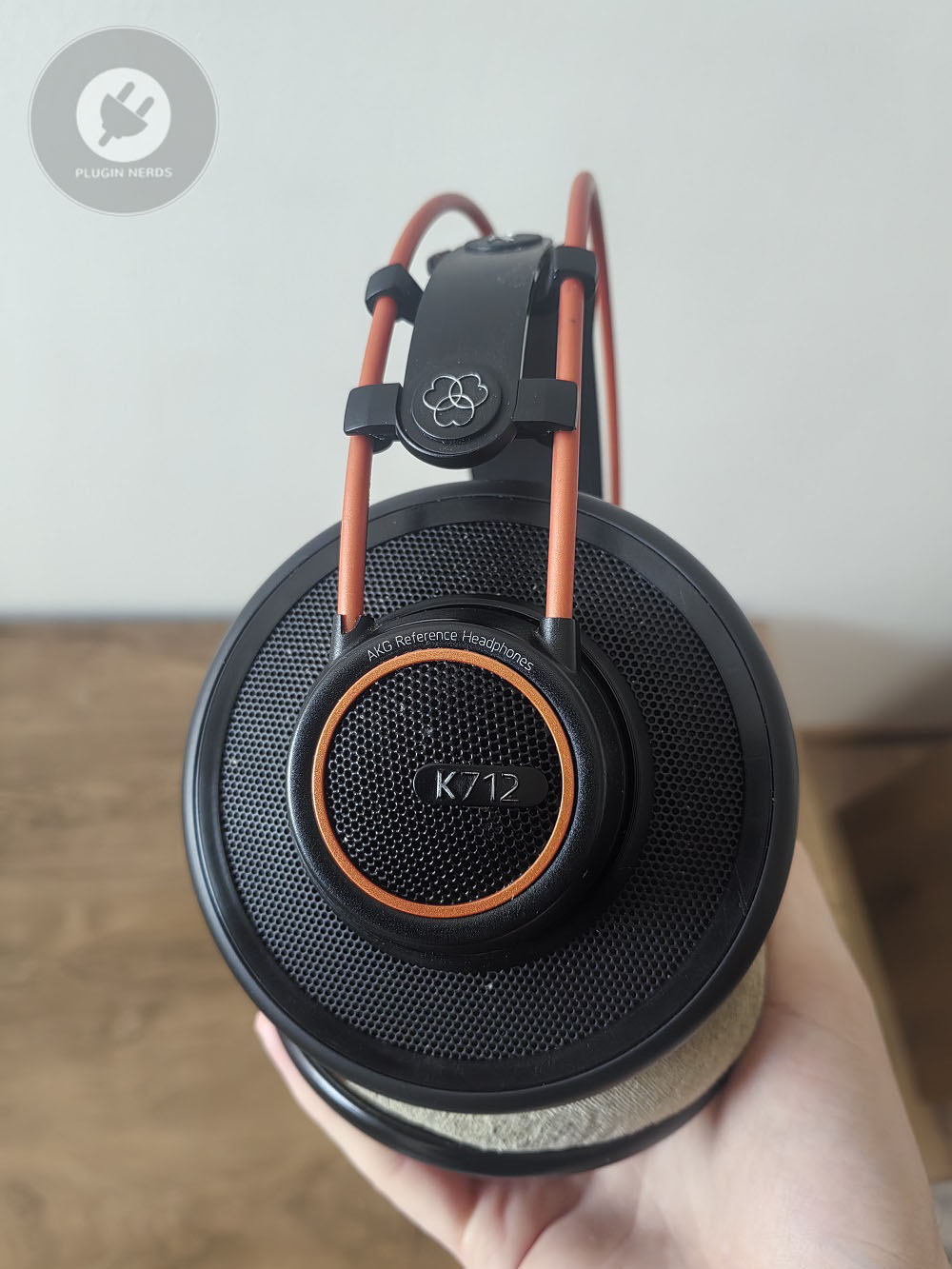
These are the open-backs I’d hand to someone who says “I want comfortable headphones I can mix in all day.” The AKG K-712 Pro is handmade in Austria with a self-adjusting headband that eliminates the constant fiddling that most headphones require, oversized velour ear pads that fully enclose even larger ears, and a sound profile that’s flat enough through the mids and lows to make reliable mixing decisions.
At 235 grams, the K-712 Pro is one of the lightest headphones you’ll find at this level. I’ve worn them for six-hour sessions and genuinely forgotten they were on my head, which is something I can’t say about most of the other cans in this guide.
- Self-Adjusting Fit
The elastic headband design conforms to your head shape automatically without any manual slider adjustment, which means you pick up the K-712 and put them on and they fit correctly every time. The system uses a leather strap suspended from two metal arcs by elastic cords, and the tension distributes the weight evenly across the top of your head without creating a pressure point.
For mixing sessions that stretch into hours, the elimination of any single pressure spot is what separates comfortable headphones from headphones that hurt you after ninety minutes.
- Soundstage Width
The open-back design creates an unusually wide soundstage for headphones, spreading sounds across a stereo field that feels more like listening to monitors than the typical inside-your-head presentation. I notice this most when mixing reverb sends and stereo effects, because the spatial information is presented with enough width that I can gauge how much space a reverb is actually taking up in the mix.
The soundstage quality is what makes open-backs worth the trade-off of zero isolation.
- Flat Midrange
The frequency response from the bass through the midrange is remarkably flat, meaning vocals, guitars, keyboards, and other mid-frequency instruments are reproduced accurately without any coloration that would mislead your mixing decisions.
The midrange is where most of your mix lives, and the K-712’s honesty in that region means what you hear through the headphones translates well to speakers and other playback systems.
- Lightweight Frame
At 235 grams, the K-712 Pro weighs less than most competing open-backs, which directly reduces fatigue during extended mixing sessions.
The lightweight construction doesn’t feel cheap or flimsy though, because the metal arc headband and quality ear cup assembly maintain a sense of solidity that budget lightweight headphones lack. You get the benefit of reduced head weight without sacrificing the feeling that you’re wearing a proper professional tool.
3. Sennheiser HD 650
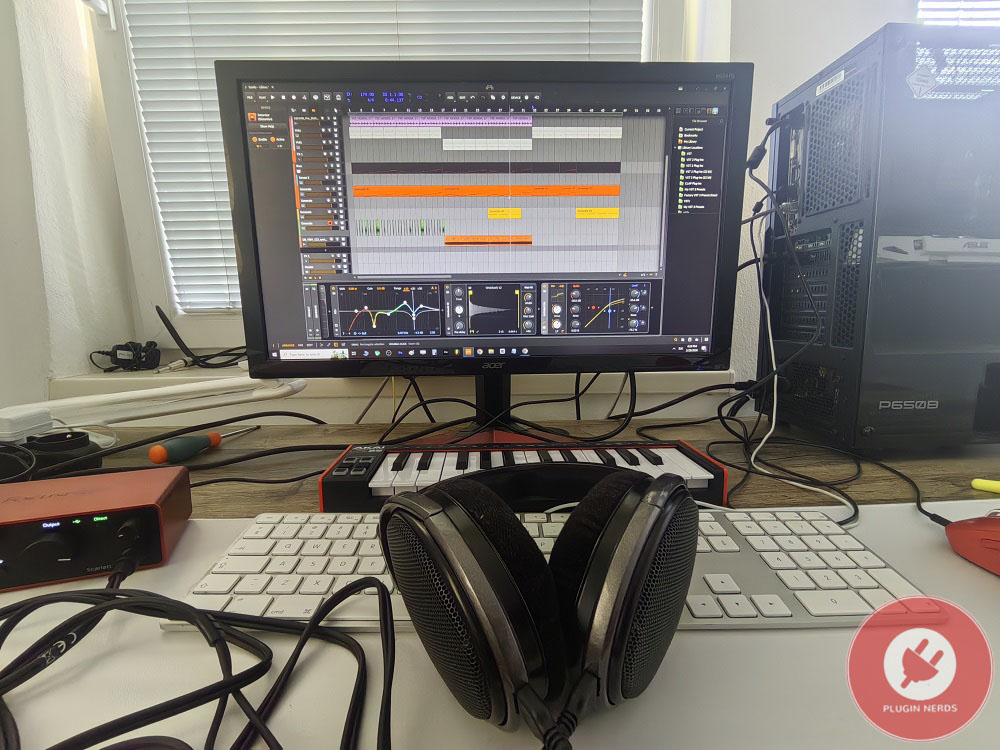
One of the most recommended mixing headphones in the history of recorded music, and the recommendation has held up for good reason. Sennheiser HD 650 delivers a warm, smooth, detailed sound with a natural midrange and a musical quality that makes extended mixing sessions pleasant rather than fatiguing.
Countless mix engineers, mastering engineers, and producers have used these as their reference headphone for over two decades.
The HD 650 isn’t the flattest headphone on this list by measurement. The slightly warm character and gentle treble rolloff mean your mixes might come out slightly brighter than what you hear through them.
But here’s the thing: once you learn how the HD 650 sounds, you compensate instinctively, and the fatigue-free character means you make better decisions at hour four than you would on a more analytical headphone that’s slowly wearing you down.
- Natural Midrange
The midrange reproduction is what made the HD 650 famous. Vocals sound like vocals. Acoustic guitars sound like someone is in the room with you playing an acoustic guitar. The naturalness comes from a frequency response that closely tracks how real instruments behave in a room, without the peaks and dips that make other headphones add coloration.
For mixing vocals, which is arguably the most critical element of most productions, the HD 650’s midrange honesty is exceptionally valuable because you hear exactly how the voice sits relative to everything else.
- Fatigue-Free
The gentle high-frequency character reduces listening fatigue during long sessions without obscuring detail to the point where you miss problems. Some headphones are brutally revealing in the treble, which is useful for spotting issues but exhausting after hours of mixing.
The HD 650 finds a middle ground where sibilance, harshness, and high-frequency problems are still audible, but the presentation doesn’t punish you for listening at moderate levels for extended periods. I find I make my best mixing decisions when I’m relaxed and focused rather than wincing at every cymbal hit.
- Proven Track Record
The HD 650 has been used on Grammy-winning records and is found in professional studios worldwide. This isn’t just marketing. The headphone has survived two decades of being compared to every new competitor and it remains relevant because the fundamental sound quality holds up.
When you buy the HD 650, you’re buying a known quantity with a massive community of engineers who share calibration tips, EQ profiles, and mixing techniques specific to these cans.
- Impedance Character
The 300-ohm impedance means the HD 650 benefits from a decent headphone amplifier, and when properly driven, the sound opens up with improved dynamics and control compared to running them from a laptop headphone jack.
The high impedance might seem like a disadvantage, but it also means the headphone is less sensitive to noise from cheap amplifiers, so the sound floor stays clean even with lower-end gear.
4. Neumann NDH 30
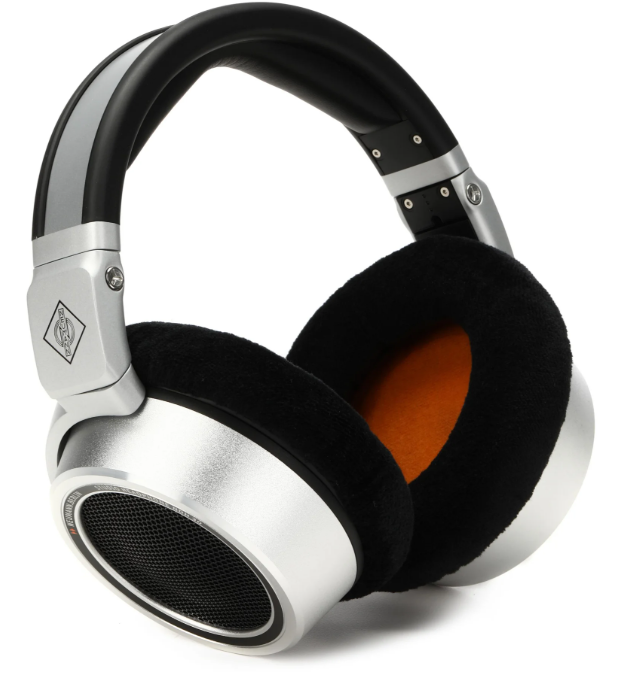
Open-back mixing headphones from the company that makes some of the most trusted studio microphones in the world. Neumann NDH 30 applies the same precision engineering philosophy to headphones, delivering a reference-quality frequency response designed to match the tonal characteristics of Neumann’s KH-series studio monitors so you can move between speakers and headphones without a jarring shift in sound.
The monitor-matching concept is what makes the NDH 30 particularly interesting for studios that already use Neumann speakers. If your monitors and your headphones share the same sonic character, your mixing decisions transfer more reliably between the two.
- Monitor Matching
The frequency response is tuned to match Neumann’s KH studio monitors, meaning the tonal balance you hear through the NDH 30 closely resembles what you’d hear from Neumann speakers in a properly treated room.
The practical benefit is that when you switch from monitors to headphones during a mixing session, you don’t need to mentally recalibrate for a different frequency curve. Your low-end decisions, vocal balance, and high-frequency adjustments remain consistent across both listening environments.
- MA-1 Calibration
The NDH 30 is compatible with Neumann’s MA-1 automatic alignment system, which measures the headphone’s response on your specific head shape and applies correction EQ to flatten the response for your ears.
The calibration addresses the fact that headphones interact differently with every listener’s anatomy, and the correction means you get closer to a truly neutral reference regardless of your ear shape and head size.
- Build Precision
The construction quality reflects Neumann’s studio equipment heritage, with aluminum yokes, a precision-machined headband, and ear pads that maintain their acoustic properties over years of daily use.
The build feels like a studio tool rather than a consumer product, which it should at this level. The physical reliability matters because you want mixing headphones that stay consistent from the day you buy them through years of professional use.
5. HEDD HEDDphone D1
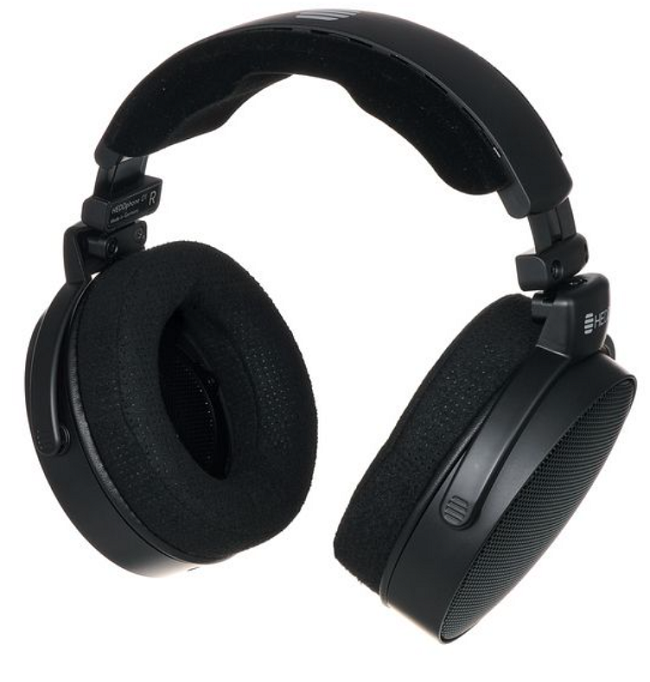
A brand new approach to dynamic driver headphones from the Berlin-based company that made its name with AMT-driver studio monitors.
HEDD HEDDphone D1 is the world’s first dynamic headphone using a Thin-Ply Carbon Diaphragm (TPCD), a material technology borrowed from Formula 1 and aerospace applications, developed in collaboration with Swedish specialists Composite Sound. The result is a dynamic driver that achieves the speed and clarity typically associated with planar magnetic designs while maintaining the natural tonality of a dynamic driver.
At 350 grams with 32-ohm impedance, the D1 is comfortable enough for extended sessions and easy enough to drive from virtually any audio interface or DAC without a dedicated headphone amp. That low impedance is a practical advantage for producers who want reference-quality sound without investing in additional amplification hardware.
- Carbon Diaphragm
The Thin-Ply Carbon Diaphragm provides exceptional stiffness at minimal weight, which translates to faster, cleaner transient response than conventional dynamic drivers achieve.
Drum hits, pick attacks, and consonant sounds are reproduced with a snap and precision that makes transient details easy to evaluate during mixing. The carbon diaphragm eliminates the need for conventional damping materials, so the driver responds more freely and with less coloration across the frequency range.
- Easy Drive
The 32-ohm impedance and 100dB sensitivity mean the D1 performs consistently across virtually any source, from portable interfaces to studio headphone amps. You don’t need dedicated amplification to hear what these headphones can do, which isn’t something you can say about many reference-class open-backs.
The accessibility means you plug the D1 into whatever you’re currently using and get the full performance immediately.
- Serviceable Design
Every component of the D1 is replaceable and serviceable through HEDD, with a five-year warranty backing the commitment. Ear pads wear out, cables get damaged, and headbands develop creaks over years of professional use.
The ability to replace individual parts rather than the entire headphone extends the D1’s useful life significantly and makes the investment more sustainable long-term.
- Balanced Tuning
The frequency response balances analytical detail with musical warmth, landing in a sweet spot where the headphone reveals mixing problems without sounding harsh or clinical. Reviews consistently describe the D1 as detailed enough for professional monitoring while remaining enjoyable for extended listening, which is the combination that makes a headphone useful for actual mixing work rather than just impressive in short demos.
6. Audeze LCD-X
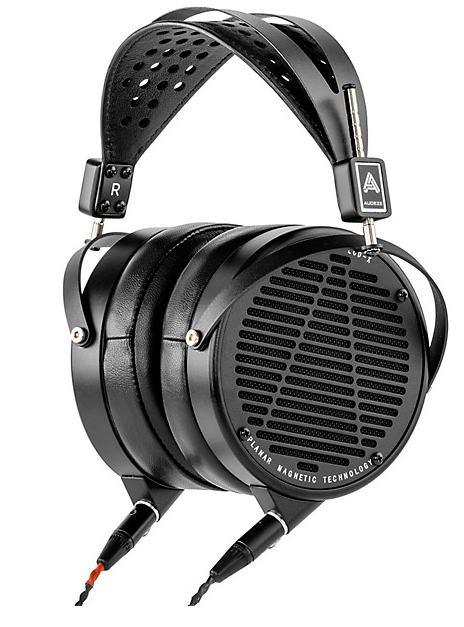
The planar magnetic option for producers who want the most bass extension and control available in an open-back headphone.LCD-X uses large-format planar magnetic drivers that reproduce low frequencies with a weight, authority, and speed that dynamic drivers struggle to match, making them particularly valuable for mixing bass-heavy music where you need to hear exactly what’s happening below 80Hz.
Planar magnetic drivers work fundamentally differently from dynamic drivers. Instead of a cone pushed by a coil, the entire diaphragm moves uniformly across its surface, which produces bass that’s tight, controlled, and extends deep without the bloom or looseness that dynamic drivers sometimes introduce at high levels.
- Planar Bass
The large-format planar magnetic drivers reproduce bass with an extension, control, and speed that gives you genuine confidence in your low-end mixing decisions.
When you’re working on 808-heavy tracks, deep sub-bass content, or any production where the frequencies below 60Hz carry musical weight, the LCD-X shows you exactly what’s happening down there without the roll-off or looseness that many open-backs exhibit in that region.
The bass isn’t boosted or hyped. It’s simply present and controlled in a way that lets you make accurate judgments about how your low end will translate.
- Detail Resolution
The planar magnetic technology resolves micro-detail across the entire frequency range with a consistency that reveals subtle elements in your mix you might miss on other headphones.
Background vocals, reverb tails, quiet automation moves, and the low-level texture of compressed signals are all more audible through the LCD-X because the driver responds uniformly to small signals. For mixing, this resolution means you catch problems and hear subtle balance changes that influence the quality of your final product.
- Low Impedance
At 20 ohms, the LCD-X is one of the easiest-to-drive planar magnetic headphones available, meaning it reaches full performance from most audio interfaces without a dedicated headphone amplifier.
Many planar magnetics require substantial amplification to sound their best, but the LCD-X’s low impedance removes that barrier, making it practical for producers who want planar sound quality without investing in additional gear.
7. Beyerdynamic DT 1990 Pro MKII
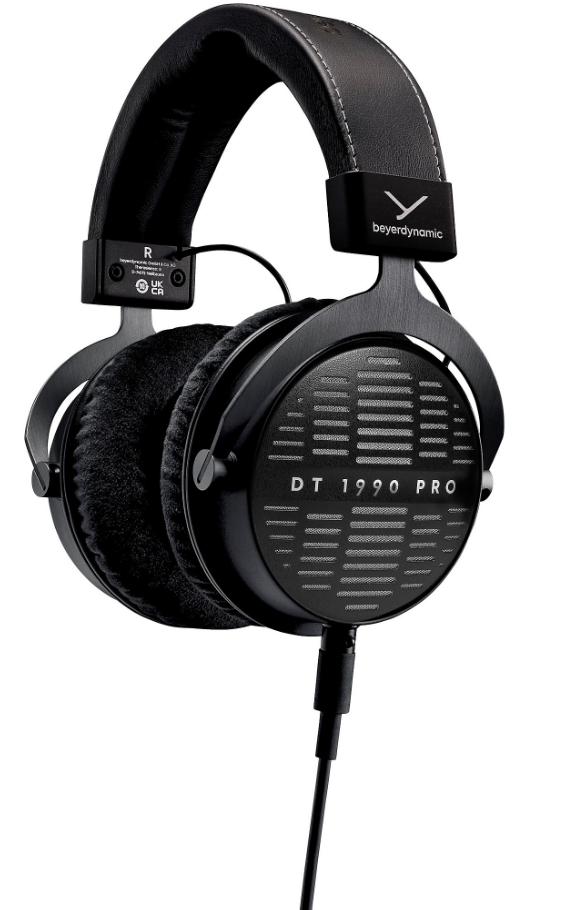
Beyerdynamic’s open-back designed specifically for mixing and mastering, updated in the MKII with a refined driver and improved comfort. The Beyerdynamic DT 1990 Pro MKII features Beyerdynamic’s Tesla driver technology, dual ear pad sets for different listening situations, and the German company’s trademark build quality that’s kept DT-series headphones in studios for decades.
I’ve always found Beyerdynamic headphones to be among the most revealing in the high-frequency range, which is a double-edged quality for mixing. You hear every sibilant, every harsh frequency, every cymbal ring with clarity that can be intense during long sessions. But for catching problems that would otherwise slip past you, that treble honesty is genuinely useful.
- Tesla Drivers
The Tesla driver technology generates a powerful magnetic field that drives the diaphragm with precision, producing a fast, detailed sound across the frequency range with excellent transient response.
The Tesla drivers are notably revealing in the upper frequencies, which makes the DT 1990 Pro MKII particularly good at exposing harshness, sibilance, and high-frequency masking that gentler headphones might smooth over. For mixing, that revealing character helps you catch problems before they reach the listener.
- Dual Pads
Two sets of interchangeable ear pads (analytical and balanced) subtly alter the frequency response to suit different tasks. The analytical pads emphasize treble detail for critical editing and de-essing work, while the balanced pads smooth the high end slightly for longer mixing sessions where fatigue reduction matters. Having both options means you match the headphone’s character to the specific task at hand rather than committing to a single sound profile.
- German Build
The Beyerdynamic build quality is among the most durable in the studio headphone market, with a metal frame, reinforced yokes, and replaceable components that handle years of daily professional use.
Studios invest in Beyerdynamic headphones knowing they’ll last through countless sessions, and the MKII build continues that tradition. The headband, pads, and cable are all replaceable, meaning the headphone’s working life extends well beyond what sealed, non-serviceable designs offer.
- 250 Ohm Drive
The 250-ohm impedance pairs well with professional headphone amplifiers and studio interfaces, producing a controlled, clean sound that lower-impedance headphones don’t always achieve.
The higher impedance also means the DT 1990 is less susceptible to noise from the amplifier, resulting in a blacker background and cleaner dynamic range. If you have a decent audio interface or headphone amp, the 250-ohm spec works in your favor.
- Detachable Cable
A locking mini-XLR cable connection ensures the cable stays connected during use while remaining fully replaceable. The locking mechanism prevents accidental disconnection during sessions, and the standard mini-XLR connector means aftermarket and custom cables are widely available in various lengths and terminations for different studio configurations.
8. Austrian Audio Hi-X65
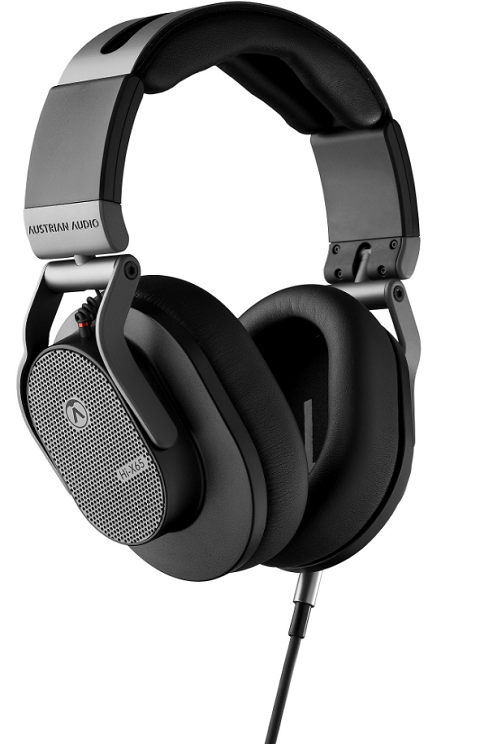
From the team of engineers who formerly designed AKG’s studio products, now building headphones under their own brand from Vienna.
Austrian Audio Hi-X65 features a proprietary Hi-X driver with a ring magnet system designed to minimize distortion, along with a semi-open construction that provides some of the width of open-backs while retaining a slightly more focused presentation than fully open designs.
I find the Hi-X65 interesting because Austrian Audio is essentially the continuation of the AKG engineering tradition applied to new designs without the constraints of a larger corporate owner. The headphones reflect decades of studio experience in their tuning choices.
- Hi-X Driver
The proprietary Hi-X driver with ring magnet produces a clean, low-distortion signal across the frequency range with particular accuracy in the critical midrange. The ring magnet design distributes the magnetic field more evenly than conventional magnet systems, which reduces harmonic distortion and produces a cleaner fundamental tone from instruments and vocals.
For mixing, lower distortion means what you hear more closely represents what’s actually in your audio file.
- Neutral Tuning
The frequency response targets reference neutrality without the pronounced peaks or dips that characterize more aggressively tuned headphones. The Austrian Audio team specifically designed the tuning for professional monitoring rather than consumer listening pleasure, which means you’re hearing your mix rather than a flattering version of it. The neutrality extends into the bass, where the Hi-X65 avoids the low-frequency roll-off that some open-backs exhibit while also avoiding the bass boost that consumer headphones add.
- Fold Design
The foldable construction and included case make the Hi-X65 more portable than most open-back studio headphones, which tend to be bulky and difficult to transport. If you move between studio locations, take headphones to sessions at other facilities, or simply need to store them compactly when not in use, the foldable design is a practical advantage that most competing open-backs don’t offer.
9. Focal Clear MG Professional
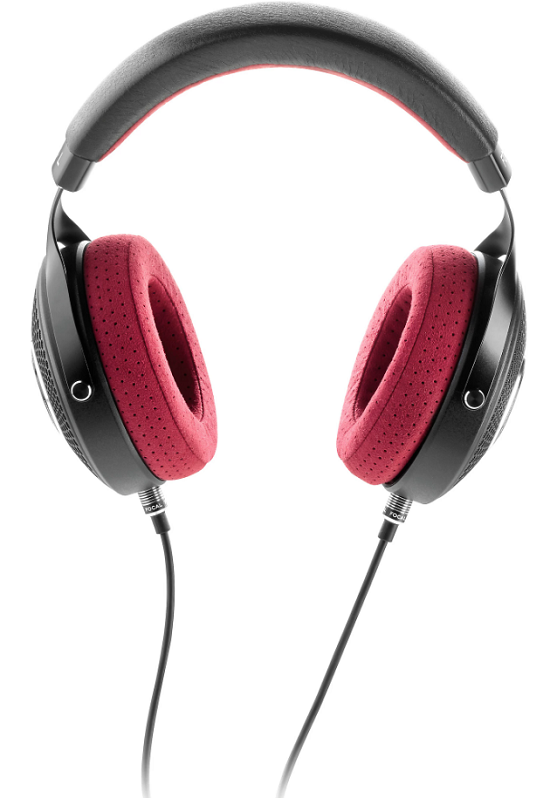
French manufacturer Focal’s professional variant of their acclaimed Clear headphones, featuring magnesium dome drivers that combine lightness with rigidity for a fast, detailed sound.
The Focal Clear MG Professional is tuned specifically for studio mixing rather than audiophile listening, with a frequency response designed to help you make critical decisions about balance, dynamics, and spatial placement.
The magnesium driver is what sets Focal’s approach apart from competing dynamic headphones. Magnesium is significantly lighter and stiffer than aluminum or mylar, which means the dome moves faster and stops more quickly, producing sharper transients and cleaner decay characteristics.
- Magnesium Drivers
The M-shaped magnesium dome driver delivers transient speed and clarity that competes with planar magnetic designs while maintaining the natural dynamic presentation that dynamic drivers provide.
The magnesium dome is lighter and stiffer than standard driver materials, which translates to faster attack and cleaner decay on percussive elements. When you’re evaluating how a snare cuts through a mix or how clean your high-hat transients are, the driver speed gives you accurate information about what’s actually happening at those critical moments.
- Professional Tuning
The MG Professional is tuned differently from the consumer Clear MG, with adjustments to the frequency response that prioritize mixing accuracy over listening pleasure. The professional tuning is flatter and more neutral than the consumer version, which means the headphone helps you make mixing decisions based on what’s actually in the audio rather than what sounds immediately impressive. The distinction matters because a headphone that sounds great for casual listening often misleads mixing decisions.
- Dynamic Range
The 110dB SPL capability provides headroom for monitoring loud transients and dynamic passages without compression or distortion from the driver. Electronic music, orchestral percussion, and heavily compressed masters all benefit from a headphone that maintains linearity at higher levels.
The dynamic range means you hear the actual dynamics of your mix rather than a squashed version that makes everything seem more controlled than it really is.
- Comfort Engineering
The microfiber and memory foam ear pads distribute pressure evenly around the ear while conforming to your head shape over time. The pads are generous enough to fully enclose most ears without touching the driver baffle, which prevents the tonal changes that occur when ear tissue contacts the inner surface. The comfort design supports the long-session mixing use that professional studio headphones need to accommodate.
10. AKG K-812
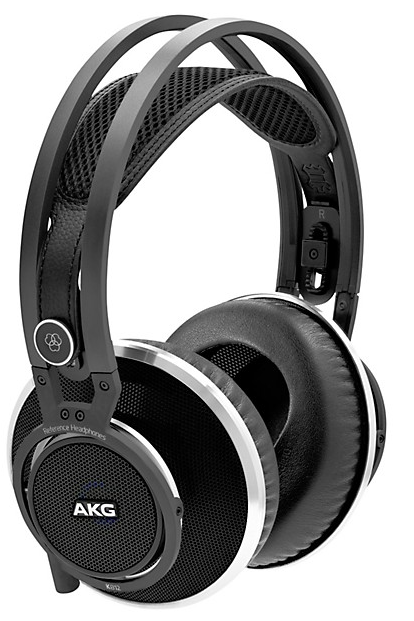
AKG’s flagship open-back reference headphone, positioned as the top of their professional monitoring lineup. AKG K-812 features a 53mm driver (one of the largest in any dynamic headphone), an extremely wide soundstage, and a level of detail resolution that’s designed for the most critical listening applications in professional studios.
The K-812 is a revealing headphone that doesn’t try to be forgiving. It shows you exactly what’s in your mix, including things you might prefer not to hear. That honesty is its greatest strength for mixing and its greatest weakness for casual listening, because poorly recorded or badly mixed material sounds noticeably worse through these than through more forgiving cans.
- 53mm Driver
The exceptionally large 53mm driver moves more air than standard-sized dynamic drivers, which contributes to the K-812’s spacious presentation and extended bass response. The larger diaphragm area also means lower distortion at equivalent volumes because the driver doesn’t have to work as hard to produce the same sound pressure level. For mixing, the large driver’s low-distortion output gives you a cleaner window into your audio.
- Wide Soundstage
The soundstage width on the K-812 is among the widest of any headphone I’ve experienced, creating a left-to-right spread that makes stereo placement decisions easier and more intuitive.
Instruments and effects occupy distinct positions in the stereo field rather than clustering in the center of your head, which helps you evaluate panning, stereo width, and spatial effects with the same kind of clarity that monitors provide. For mix engineers who frequently work on headphones, the wide soundstage reduces the guesswork about how stereo decisions will translate to speakers.
- Detail Resolution
The resolving capability of the K-812 reveals low-level detail, reverb tails, compression artifacts, and subtle automation moves with a clarity that helps you make precise mixing decisions about elements that influence overall quality. The headphone doesn’t emphasize or exaggerate these details. It simply makes them audible, which means you can address them during mixing rather than discovering them after the mix is printed.
- Elastic Headband
The self-adjusting elastic suspension headband fits automatically to different head shapes without manual adjustment, similar to the system used in the K-712 Pro but with improved materials and construction for the flagship model. The automatic fit distributes weight evenly and eliminates the pressure points that rigid headband designs create during long sessions.
- Low-Impedance Clarity
The 36-ohm impedance makes the K-812 easy to drive from any professional audio interface or headphone amplifier, ensuring you hear the full performance without needing specialized equipment. The low impedance means the large driver responds quickly and fully to the amplifier’s output, which contributes to the transient speed and dynamic accuracy that the K-812 is known for.
Extra: Audio-Technica ATH-R70x
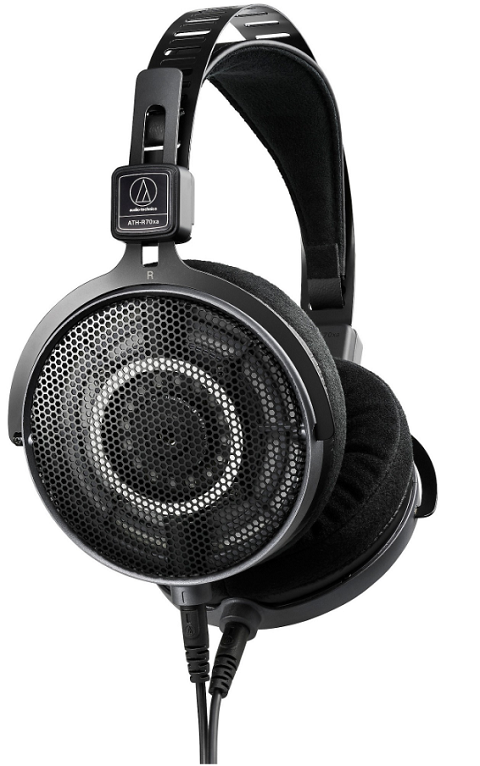
Worth mentioning for producers who want a reference open-back at a lower cost than the flagship models above. Audio-Technica ATH-R70x is Audio-Technica’s first open-back reference headphone, weighing just 210 grams and featuring a high-impedance 470-ohm design with a sound profile tuned for accurate, neutral monitoring.
The R70x is the lightest headphone in this entire guide and one of the lightest professional open-backs on the market, which makes it remarkably comfortable for extended mixing sessions despite its minimalist construction.
- Ultralight
At 210 grams, the ATH-R70x is featherweight for a full-size open-back headphone. The minimal weight means you genuinely forget you’re wearing them during long mixing sessions, which reduces the physical fatigue that contributes to poor mixing decisions late in the day.
The lightness comes from a stripped-down design philosophy rather than cheap materials, with the frame using a combination of metal and carefully selected polymers.
- 470-Ohm Design
The 470-ohm impedance is unusually high and pairs specifically with dedicated headphone amplifiers for a clean, controlled sound with excellent noise floor performance. The high impedance makes the R70x almost immune to noise from the amplifier, producing a black background that reveals quiet details in your mix.
You do need a proper amp for these, but when properly driven, the impedance spec works decisively in your favor for critical listening.
- Neutral Reference
The tuning targets analytical neutrality across the frequency range, with a flat midrange and controlled bass and treble that reproduce your audio without editorial comment from the headphone. The R70x doesn’t try to impress you. It tries to inform you, and that distinction is exactly what you want from a mixing tool.

Hello, I’m Viliam, I started this audio plugin focused blog to keep you updated on the latest trends, news and everything plugin related. I’ll put the most emphasis on the topics covering best VST, AU and AAX plugins. If you find some great plugin suggestions for us to include on our site, feel free to let me know, so I can take a look!