
Instead of modeling tape with traditional DSP math, Baby Audio trained a neural network on a classic tape machine to learn how real tape actually transforms audio. The result is a plugin that captures the character of analog tape in a way that feels genuinely musical rather than just technically accurate.
But is TAIP worth it? I’d say yes, especially if you want one tape plugin that handles a wide range of situations well. The combination of AI-powered emulation, the 135 presets from top engineers, and the overall musicality of the sound makes it one of the more practical tape tools available, and the price-to-value ratio is genuinely strong.
For me, what makes it special is how quickly it can transform a sterile digital recording into something that feels like it was tracked through real analog gear. You drop it on a track, pick a preset or push the main knob, and your signal just sounds better almost immediately.
From the Pluginerds Store
A quick mention: alongside the blog, we run Pluginerds Shop, our own store for studio hardware and accessories. Everything on it is there because someone on this team actually uses gear like it, not because it was the cheapest thing to list.
Visit Pluginerds ShopWhat Makes TAIP Different
Most tape plugins fall into one of two camps. They either model a specific famous tape machine in detail, or they use generic saturation that vaguely evokes tape without really capturing how it behaves.
TAIP takes a third approach that I think is genuinely more interesting.
Baby Audio trained an AI algorithm on a classic 1970s tape machine and taught it to identify the exact sonic characteristics that make tape sound the way it does. Rather than guessing at what individual components do, the AI learned the full behavior of the machine by listening to it. Those characteristics were then built into a plugin you can control with a modern, musical interface.
Here’s what sets it apart in practical terms:
- AI-Powered Tape Sound:
The emulation is based on a neural network trained on real tape hardware, which captures the subtle quirks and character that traditional modeling tends to miss.
- Flexible Rather Than Fixed:
Rather than locking you into one specific tape sound, it gives you room to shape the flavor for any situation, from subtle warmth on vocals to aggressive saturation on drums.
- Presets From Real Mix Engineers:
The 135 included presets were built by engineers who’ve worked with artists like Fleetwood Mac, The Killers, Major Lazer, Young Thug, Sia, Prince, and Billie Eilish. These are genuine mix-ready tones, not generic starting points.
- One Plugin, Many Flavors:
Because the AI captured the full behavior of tape rather than mimicking a single machine, TAIP can deliver a wide range of tape characters from the same plugin.
I love how the AI approach sidesteps the usual tradeoffs of tape emulation. You’re not stuck with one specific machine’s character, and the sound doesn’t feel like a stack of separate DSP effects glued together.
Get the Free Plugin Starter Kit
The genuinely useful free DAWs and plugins worth installing. No filler. Straight to your inbox.
Sound and Character
The sound is where it really earns its place in a session.
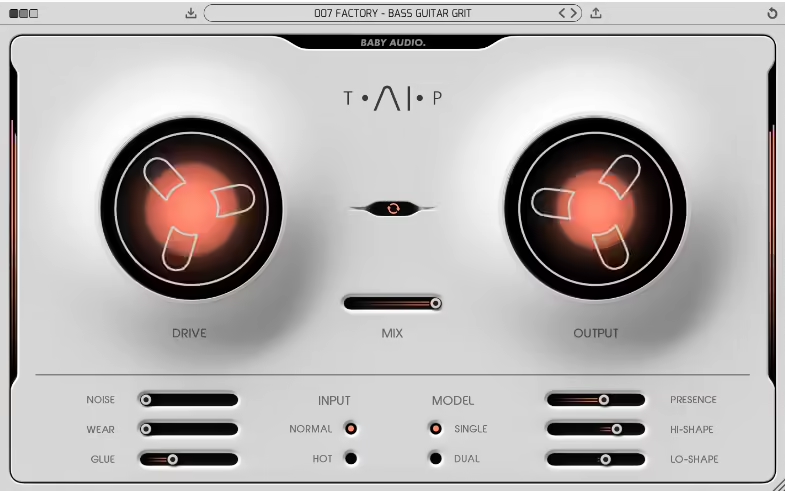
The tape emulation feels genuinely warm and musical, with the kind of subtle compression, harmonic richness, and gentle high-frequency softening that real tape produces. When you push it gently, you get that classic analog glue that makes digital tracks feel less sterile. When you push it hard, the saturation breaks up in the way real tape breaks up, with a specific kind of musical distortion rather than the harsh digital artifacts you get from cheaper saturation tools.
I’d say TAIP handles both ends of the spectrum genuinely well, which is something a lot of tape plugins struggle with. Many of them sound great for subtle coloration but fall apart when pushed, or they’re designed for aggressive effects and can’t do subtle warmth convincingly.
What I appreciate most is that the plugin has a kind of forgiving quality to it. You can push most of the controls pretty far before things start sounding bad, which means you can experiment and find your sound without having to be overly precise about every setting.
“TAIP captures tape character through AI rather than guesswork, which means the emulation reflects how real tape actually behaves.”
How It Feels to Use
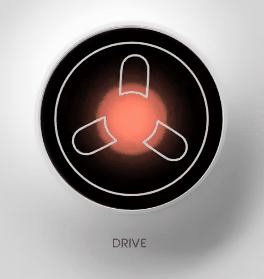
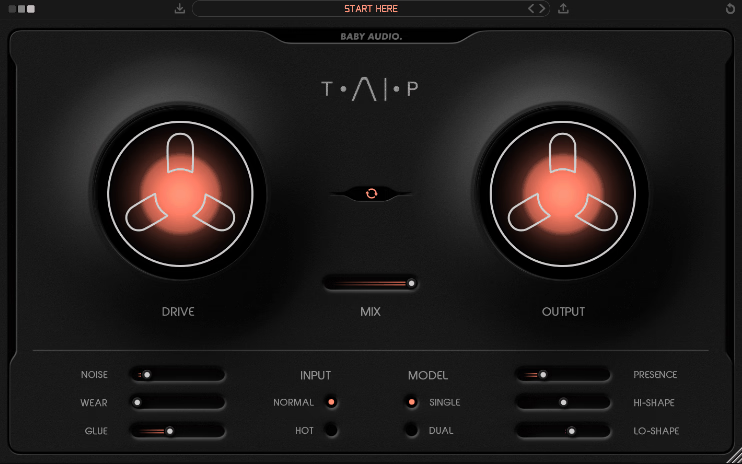
The interface is clean and visual, with the stylized tape reels turning when your DAW plays. It’s a nice touch that gives the plugin some character without getting in the way of actually using it. The main Drive knob sits in the center as the primary control, and the other parameters are arranged around it in a way that makes sense intuitively.
What I love about the workflow is how quickly you can land on a sound that works. Drop it on a track, pick a preset from one of the engineers mentioned earlier, and you’re often 80 percent of the way to a great tape tone before you’ve touched a single knob. From there, a few tweaks to the main controls get you the rest of the way.
For me, the speed of the workflow is actually one of TAIP’s biggest strengths. A lot of tape plugins have so many parameters that you spend more time dialing them in than actually making music. This one gets you to a good sound fast, which matters when you’re mid-session and don’t want to lose your creative flow.
Creative Range
One of the things I found surprising about this plugin is just how wide its creative range actually is. On the subtle end, you can dial in just a touch of warmth that adds analog glue to digital tracks without obviously coloring the sound. This is where I use it most often, on vocals, acoustic instruments, and mix buses where you want tape character without it being the star of the show.
Push it harder, and it becomes a legitimate distortion and saturation tool. The drive gets aggressive in a musical way, and you can transform clean synth basses into gritty, characterful leads or turn drums into crunchy, aggressive hits.
Beyond straight saturation, the plugin can also do classic tape flanging effects when you combine the Wear and mix controls, which is a sound that’s hard to get any other way. It can also work as a compressor through the Glue parameter, adding cohesion and punch to drum buses and stem mixes.
I suggest treating TAIP less like a dedicated tape plugin and more like a multi-purpose analog character tool. Once you start thinking of it that way, you find uses for it all over your mix.

Presets and Who Made Them
The preset library is one of TAIP’s biggest selling points, and I think it’s worth talking about because the people behind it are genuinely impressive.
The engineers who created the 135 presets have worked on some of the most recognizable records of the last few decades:
- Mark Needham:
Mix engineer for Fleetwood Mac, The Killers, Bloc Party, and Elton John.
- Max Jaeger:
Credits include Major Lazer, Big Sean, and Ariana Grande.
- Eestbound:
Producer for Young Thug, Travis Scott, and Jazz Cartier.
- Rob Kleiner:
Has worked with Sia, James Blake, Billie Eilish, Britney Spears, and David Guetta.
- Cesar Sogbe:
Engineering credits with Prince, David Byrne, and Jennifer Lopez.
What I appreciate is that these aren’t generic “drum preset” or “vocal preset” starting points. They’re real tape tones from engineers who use this kind of processing on professional records, which means the presets have the kind of musicality and immediate usability that generic factory content often lacks.
I’ve found myself using the preset library as a reference point even when I end up tweaking the final sound. Starting from a Mark Needham vocal preset and adjusting from there gets me to a finished tone much faster than building it from scratch.
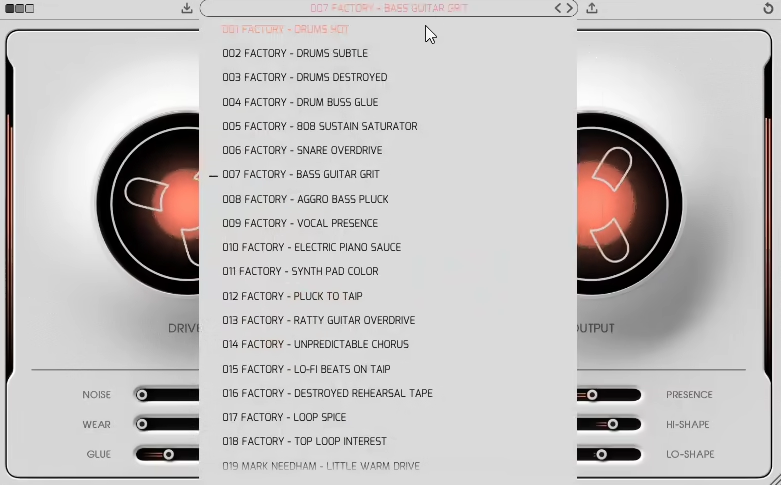
“Starting from one of the engineer presets gets you 80 percent of the way to a great tape tone before you touch a knob.”
Genre Fit
TAIP works across a surprisingly wide range of genres, which I think is actually one of its most compelling qualities.
Modern pop and hip-hop production is where I reach for it most often. The ability to add warmth and glue to digital productions without committing to a retro flavor makes it a natural fit for contemporary music that wants analog character without sounding like it’s from another era.
In rock and singer-songwriter contexts, the subtler settings give you the classic tape warmth that these genres have always leaned on, but with more flexibility than dedicated hardware emulations typically offer.
For electronic music, techno, and experimental production, pushing the plugin harder turns it into a creative saturation tool that works beautifully on synth basses, leads, and drum machines that need analog grit.
Lo-fi, beat production, and bedroom pop is where the Wear and Noise features really shine. Cranking these gives you that dusty, aged tape sound that’s been central to lo-fi hip-hop and vaporwave production for years.
Even mixing and mastering applications benefit from the more transparent settings. Using it with subtle drive on a master bus adds cohesion and character without obviously coloring the sound, which is a harder trick than it sounds.
Final Thoughts
Baby Audio TAIP is one of those plugins that proves AI and neural network approaches can produce genuinely better results than traditional methods when they’re applied thoughtfully.
The combination of AI-powered tape emulation, flexible controls, and a preset library from genuinely top-tier engineers makes it one of the most practical tape tools on the market. I’d say the value proposition is particularly strong given how affordable Baby Audio keeps the plugin.
I want to note that it isn’t trying to be the most realistic emulation of any specific vintage tape machine. It’s trying to be the most useful tape plugin for modern production, and in that goal I’d say it succeeds genuinely.
For producers, mix engineers, and anyone working primarily in the box who wants real analog warmth without routing audio outside the DAW, it’s one of the better investments you can make in your plugin folder. The sound quality, the workflow, and the creative flexibility all hold up over time rather than being a novelty you use once and forget about.
I would recommend it especially for producers who work across multiple genres and need a tape plugin that adapts to different contexts. For those producers, this tape plugin earns its place on vocals, drums, and buses buses rather than sitting unused after the initial excitement wears off.
Check here: Baby Audio TAIP (Trial Available)
Get the Free Plugin Starter Kit
The genuinely useful free DAWs and plugins worth installing. No filler. Straight to your inbox.

Hello, I’m Viliam, I started this audio plugin focused blog to keep you updated on the latest trends, news and everything plugin related. I’ll put the most emphasis on the topics covering best VST, AU and AAX plugins. If you find some great plugin suggestions for us to include on our site, feel free to let me know, so I can take a look!