
Here’s something that doesn’t get discussed often enough: Brainworx and UAD aren’t just two competing plugin brands. They’re actually deeply intertwined companies that have collaborated for years, with Brainworx being one of UAD’s most prolific third-party developers and contributing some of the most respected plugins in the entire UAD catalog.
So when you ask which is better, the honest answer is that you’re partly comparing a developer to the platform they helped build.
That said, there are real and meaningful differences between what you get when you go deep into the Brainworx native ecosystem versus the full UAD experience, and those differences matter depending on your workflow, your hardware situation, and what you’re actually trying to do with the processing.
I’ve spent time with both and I want to give you a clear, practical picture of where each one genuinely excels.
Quick Comparison
| Feature | Brainworx (Plugin Alliance) | UAD (Universal Audio) |
|---|---|---|
| Founded | 2006 (Dirk Ulrich, Germany) | 1958 (Bill Putnam Sr., USA) |
| Core Strength | Console emulation, M/S processing, TMT | Vintage hardware emulation depth, Apollo ecosystem |
| Hardware Required | No (fully native) | No for Spark; Apollo for DSP + Unison tracking |
| Analog Modeling Tech | TMT (Tolerance Modeling Technology, US Patent 10,725,727) | Circuit-level emulation, Neural Networks, DSP |
| Console Emulations | SSL 4000 E/G/9000 J, Neve VXS, AMEK 9099/200, Focusrite Studio | SSL 4000 E/G, Neve 1073, Helios Type 69, API |
| M/S Processing | Built into nearly every plugin | Select plugins only |
| Mono Maker | Built into most plugins | Not a standard feature |
| Subscription Option | bx_bundle: $12.99/month (58 plugins) | Spark: $19.99/month or $149.99/year (60+ plugins) |
| Perpetual Licenses | Yes (primary model; flash sales from $9.99) | Yes (individual plugin purchases) |
| UAD Platform Relationship | Largest third-party UAD developer | In-house + third-party (Softube, Brainworx, Eventide) |
| Reverb Coverage | bx_rooMS, bx_aura (creative), bx_delay 2500 | Lexicon 224/480L, Capitol Chambers, Ocean Way, Pure Plate |
| Free Trial | 14-day trial on every plugin; PA Free collection (20 permanent) | 14-day Spark trial; try-before-buy on DSP hardware |
| Best For | Console-workflow mixing, mastering, M/S-focused engineers | Vintage compressor/EQ character, studio-room reverbs, tracking |
Get the Free Plugin Starter Kit
The genuinely useful free DAWs and plugins worth installing. No filler. Straight to your inbox.
About Brainworx
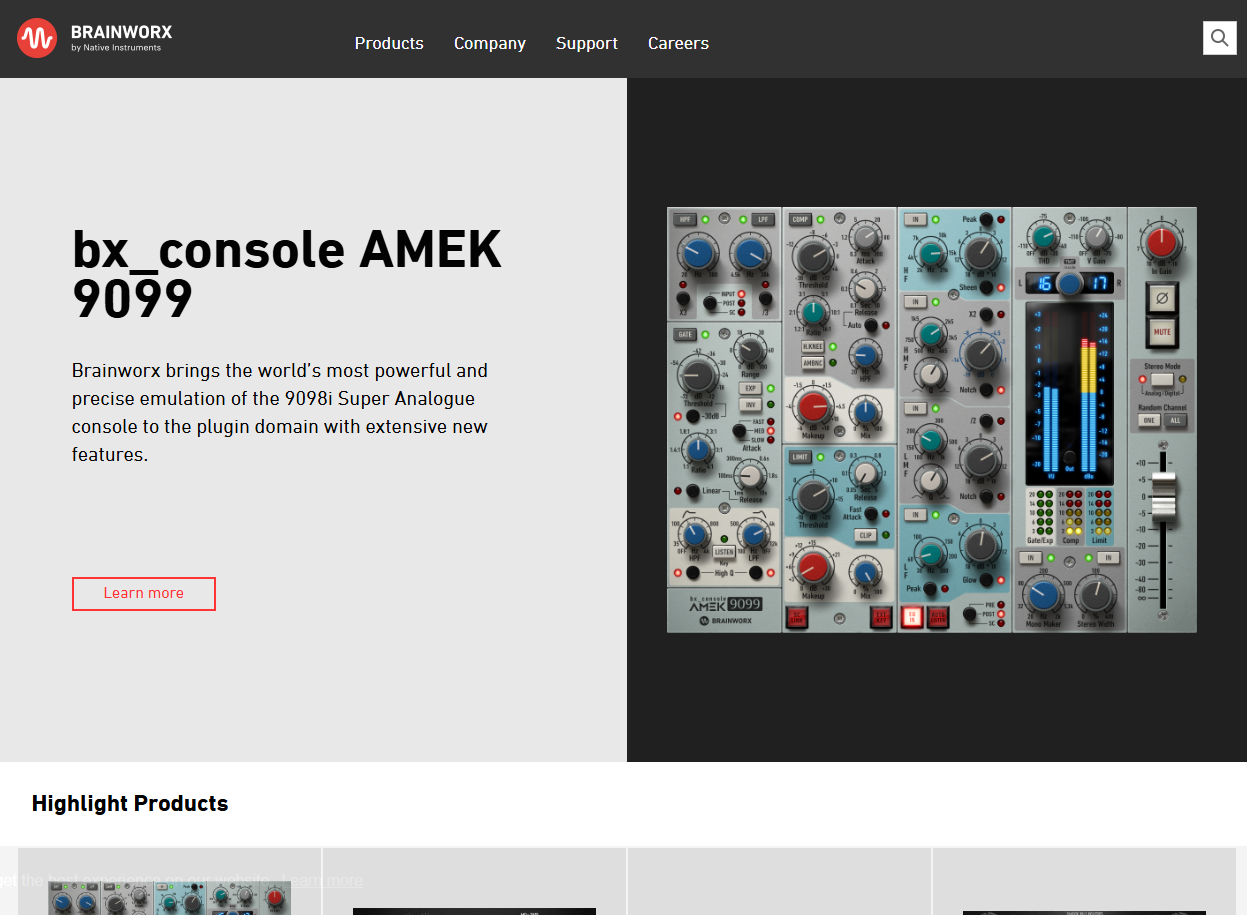
Brainworx is a German audio software company founded in 2006 by engineer and producer Dirk Ulrich. The company built its reputation on two things: genuinely deep analog modeling and a distinctive approach to stereo processing that put M/S technology at the center of virtually everything they made.
Brainworx didn’t just make plugins that emulate hardware. They thought carefully about what hardware actually does, what it can’t do, and what a plugin version could do that the hardware never could.
The brand operates primarily through Plugin Alliance, which is both the publishing and distribution platform for the Brainworx catalog and a broader marketplace of complementary developers. Brainworx serves as Plugin Alliance’s founding development partner and has built the majority of the analog modeling content in the PA ecosystem.
The full Brainworx catalog runs to 58 plugins in the bx_bundle, covering console channel strips, standalone EQs, compressors, limiters, saturation, reverb, delay, amp simulation, and even a synthesizer.
There’s another layer to the Brainworx story that matters for this comparison: Brainworx is also UAD’s largest third-party developer, and the number-one AAX DSP developer for Pro Tools HDX systems.
Many of the most beloved plugins in the UAD catalog, including the bx_masterdesk, the bx_digital V3, the elysia alpha compressor 2, the Purple Audio MC77, and others were built by Brainworx and ported to UAD’s DSP platform.
This means the comparison is less about two rival companies and more about two delivery methods for some of the same underlying technology.
About Universal Audio
UAD traces its history back to 1958 when Bill Putnam Sr. founded the company and built some of the most important hardware in recording history, including the first commercially marketed multi-band equalizer and the Universal 610 tube console.
When his sons revived and rebuilt the company in the 1990s, they brought that hardware pedigree into the software era with the UAD-1 DSP card in 1999.
For over two decades, UAD maintained a deliberate exclusivity: their plugins required dedicated SHARC DSP chips in Apollo audio interfaces or UAD-2 accelerator hardware.
The processing quality was exceptional partly because the hardware was purpose-built for it, and the catalog grew to over 200 plugins spanning compressors, EQs, preamps, reverbs, tape machines, channel strips, and instruments, many developed in-house and others built by developers including Brainworx, Softube, and Eventide.
The arrival of UAD Spark in 2022 changed the access model by making 60+ plugins available natively without hardware at $19.99 per month or $149.99 per year. This is the version of UAD that most engineers working without Apollo hardware will encounter now, and it’s the most relevant format for this comparison with Brainworx’s native tools.
The legacy Apollo hardware ecosystem remains fully supported and continues to offer real advantages for engineers who track live instruments, particularly through Unison technology that physically alters the Apollo preamp circuit when a UAD plugin is loaded in a Unison slot.
Sound Character
Before discussing specific tools, the most useful thing I can tell you is that these two brands have genuinely different sonic philosophies, and that difference shows up in practice.
- Brainworx
Brainworx has a character that lives between analog warmth and digital precision. The console emulations have real color and harmonic density when you drive them, but the overall approach is never muddy or romantic about it.
I’d describe it as clean-warm: you get the weight and width of running through real analog circuitry without the vagueness or blur that some heavily colored emulations introduce.
The M/S processing built into virtually every Brainworx plugin is a meaningful part of that character in practice.
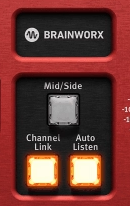
The ability to apply different amounts of EQ or compression to the mid and side signals independently is built into the workflow rather than requiring separate routing, and over a full mix session it contributes to a particular kind of depth and openness that you notice as a cumulative effect rather than a single dramatic difference on any one track.
I love how the Brainworx tools preserve transient definition even under significant processing, which makes it possible to make bold moves in compression or saturation without collapsing the dynamic picture of the mix.
- UAD
UAD has what engineers most consistently describe as weight. Not just warmth, but a sense of physical substance in the audio that makes processing decisions feel less like technical adjustments and more like shaping something with tactile dimensions.
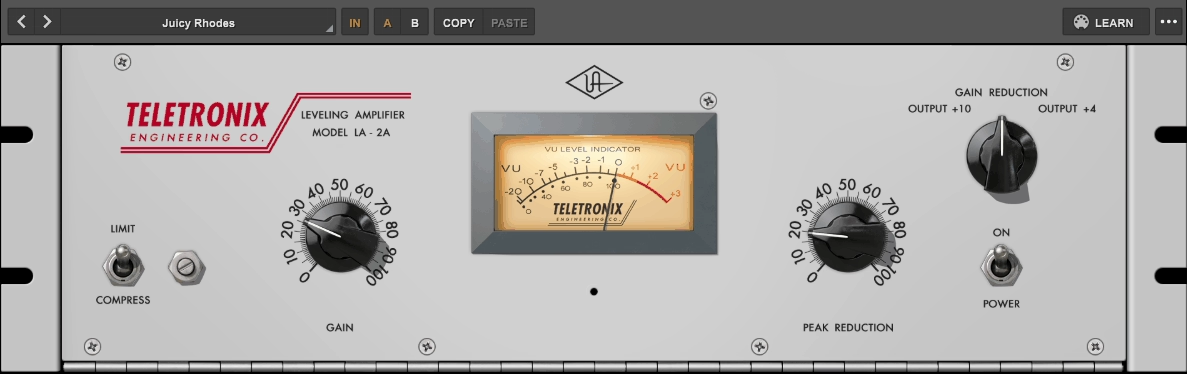
When you dial in the LA-2A on a vocal, the note sustains differently. When you push the Neve 1073, the sound gains a density that’s hard to replicate with any other tool.
The Pultec EQP-1A adds air at 10kHz in a way that doesn’t sound like a boost at all, it sounds like the track opened up.
This quality is consistent across the catalog and it reflects UAD’s obsessive approach to circuit-level emulation: the goal isn’t to capture the frequency response of vintage hardware, it’s to model the complete physical behavior of the original circuit including its nonlinearities, transformer characteristics, and the way individual components interact.
That level of modeling depth is what makes UAD feel different from most competitors when you’re actually working rather than analyzing in a controlled comparison.
Effect Plugins Overview
- Brainworx Effect Plugins
The crown of the Brainworx catalog is the bx_console series, which covers SSL 4000 E, SSL 4000 G, SSL 9000 J, Neve VXS, AMEK 9099, AMEK 200, and Focusrite Studio Console emulations.
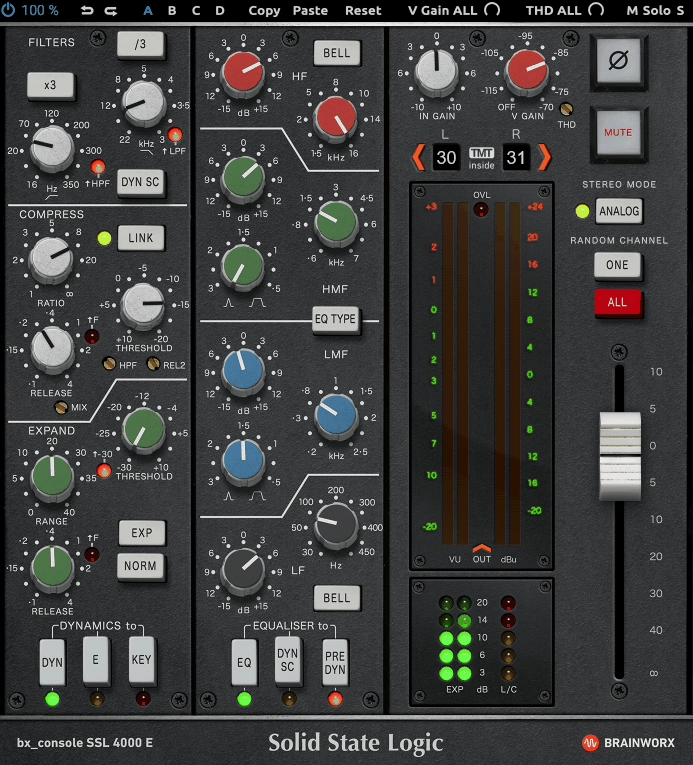
Each of these comes with 72 TMT channels, a compressor, expander/gate, fully parametric EQ, high-pass and low-pass filters, and additional modern digital enhancements like THD control, V-gain (noise injection), Mono Maker, and Stereo Width control that no real console offers.
On EQ specifically, the bx_digital V3 is one of the most respected mastering EQs available, combining parametric and M/S processing with Brainworx’s distinctive Mono Maker and stereo field controls. It was named Plugin of the Decade by Future Music magazine.
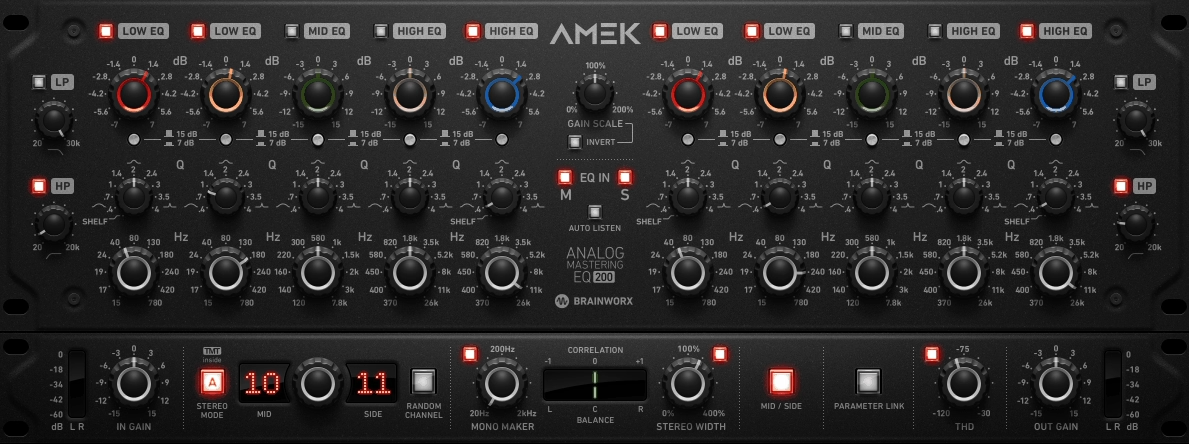
The AMEK EQ 200, a Rupert Neve-designed parametric EQ emulation with seven bands and TMT processing, is excellent for tracking and mixing. The bx_2098 EQ emulates the Amek 9098 EQ with 20 TMT channel variations.
For dynamics, the bx_opto optical compressor covers warm, musical compression with M/S processing built in. The MAGNUM-K dual compressor and limiter uses the Maag Air Band.
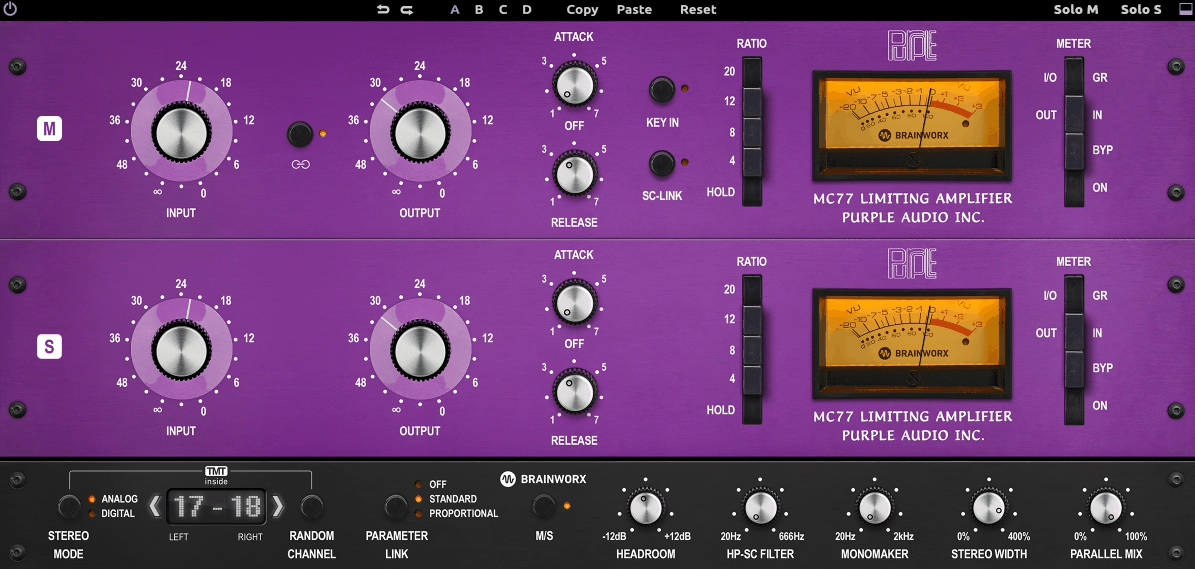
The Purple Audio MC77 is a highly regarded 1176-style FET compressor with extremely fast response and an all-discrete signal path, named “a classic dynamics tool on steroids” by Brainworx.
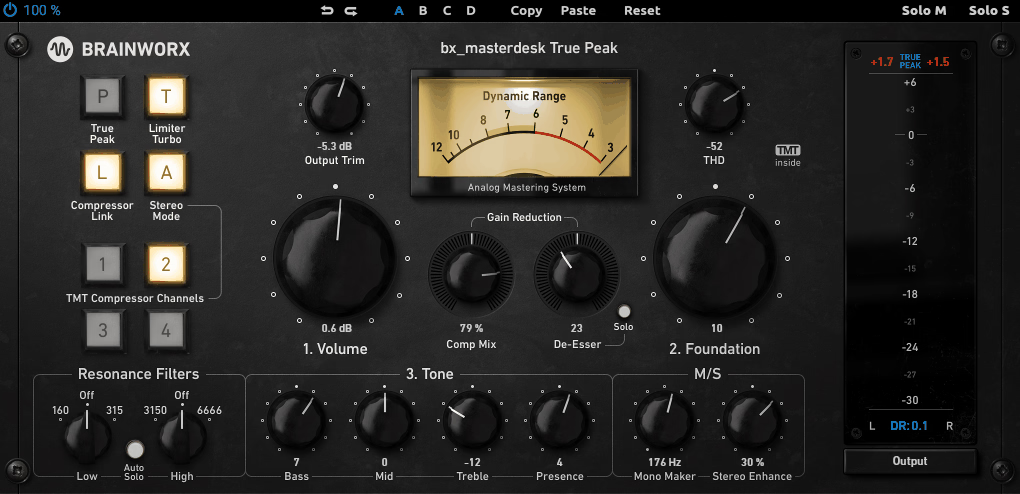
For mastering specifically, the bx_masterdesk combines EQ, compression, limiting, and stereo enhancement into a single all-in-one chain designed by Dirk Ulrich to reproduce the complete mastering signal path with minimal learning curve. The bx_XL V2 M/S limiter and bx_refinement dynamic de-harsher complete a mastering toolkit that’s genuinely comprehensive and strongly M/S-oriented throughout.
- UAD Effect Plugins
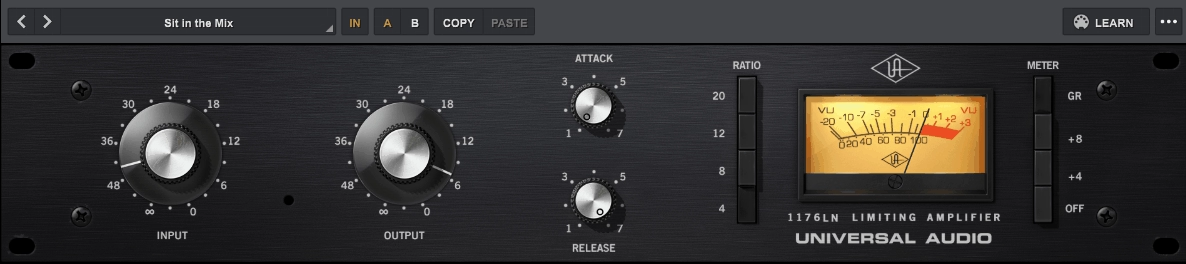
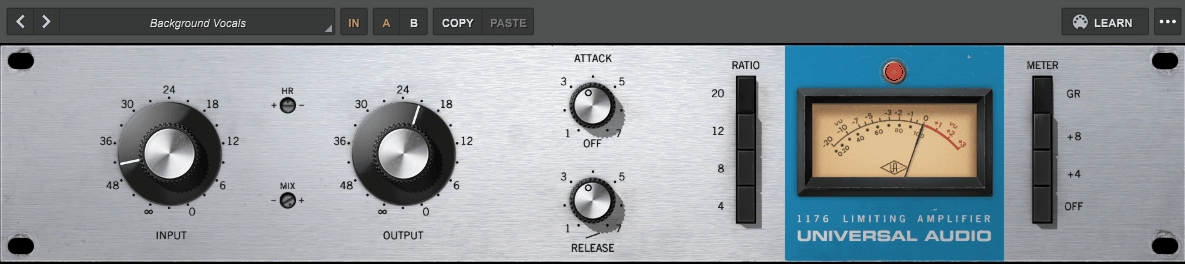
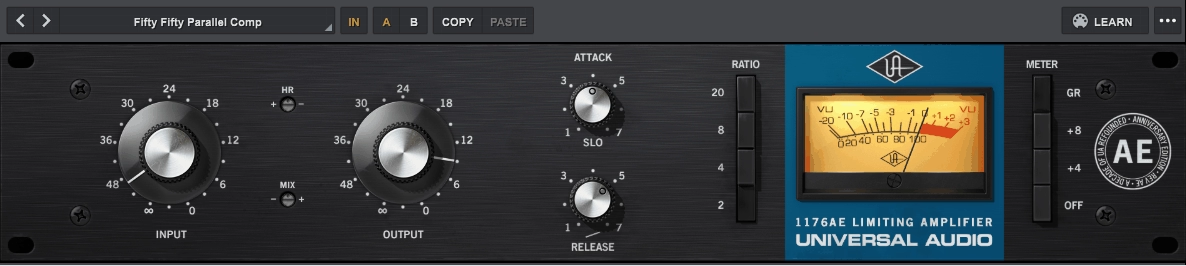
UAD’s effect catalog is built on emulations of specific legendary hardware pieces with a level of specificity and historical accuracy that defines the brand. The 1176 Classic Limiter Collection covers three revisions: the Rev A Blue Stripe, Rev E Blackface, and Anniversary Edition, each with genuinely different sonic characters.
The Teletronix LA-2A Leveler Collection covers the original Silver panel and Grey editions. The Pultec Passive EQ Collection covers the EQP-1A, MEQ-5, and HLF-3C.
The Neve 1073 covers both the preamp and EQ with full transformer and harmonic character.
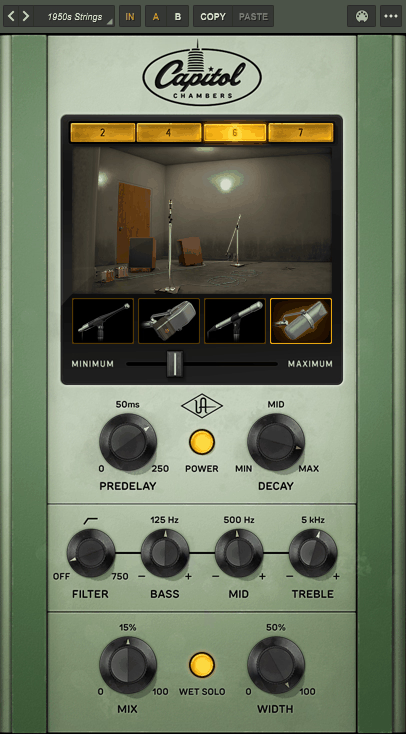
The UAD reverb catalog is where the brand is virtually without equal: the Lexicon 224 and 480L are definitive digital reverb emulations with a particular spatial character that appears on thousands of classic records and still sounds unlike modern algorithmic reverbs. The Capitol Chambers recreates the actual echo chambers used at Capitol Studios in Hollywood since the early 1960s.
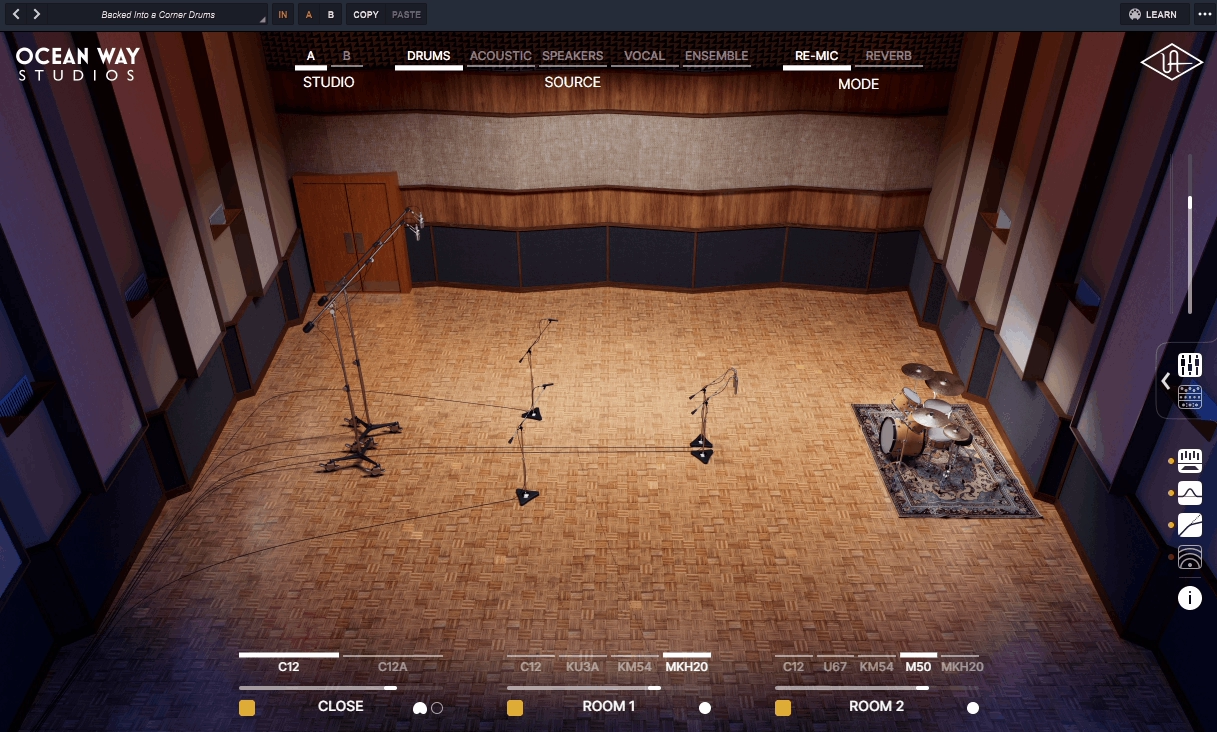
The Ocean Way Studios plugin captures mic placement and acoustic interaction in the actual Ocean Way Studio A and B tracking rooms. These room and hall emulations are something Brainworx doesn’t have an equivalent for, and they’re some of the most sonically distinctive and historically significant plugins in the professional audio world.
Analog Modeling Approach
- Brainworx’s TMT
Brainworx’s Tolerance Modeling Technology (US Patent No. 10,725,727) is the most distinctive and genuinely innovative aspect of the brand’s technical approach. Rather than modeling a single ideal channel strip and deploying it identically across every track, TMT captures the component-level variations that exist between all 72 channels of a real analog console.
In the physical world, resistors, capacitors, and transformers are manufactured with tolerances that mean no two components are exactly identical.
Console designers work to minimize those variations, but they can never eliminate them entirely, and those subtle differences between channels are part of what gives large-format consoles their characteristic sound: a mix run through a real SSL or Neve feels more three-dimensional partly because each channel has its own slightly different frequency response, dynamic response, and harmonic character.
TMT models those variations and provides 72 numbered channels per plugin instance, each with its own unique component-tolerance profile. You see this implemented most fully in the bx_console N (Neve VXS), bx_console AMEK 9099, and SSL 9000 J, where assigning different channels to different tracks recreates the console effect digitally.
The cumulative result across a 30-track project is noticeably more dimensional than using a single-model emulation on every channel.
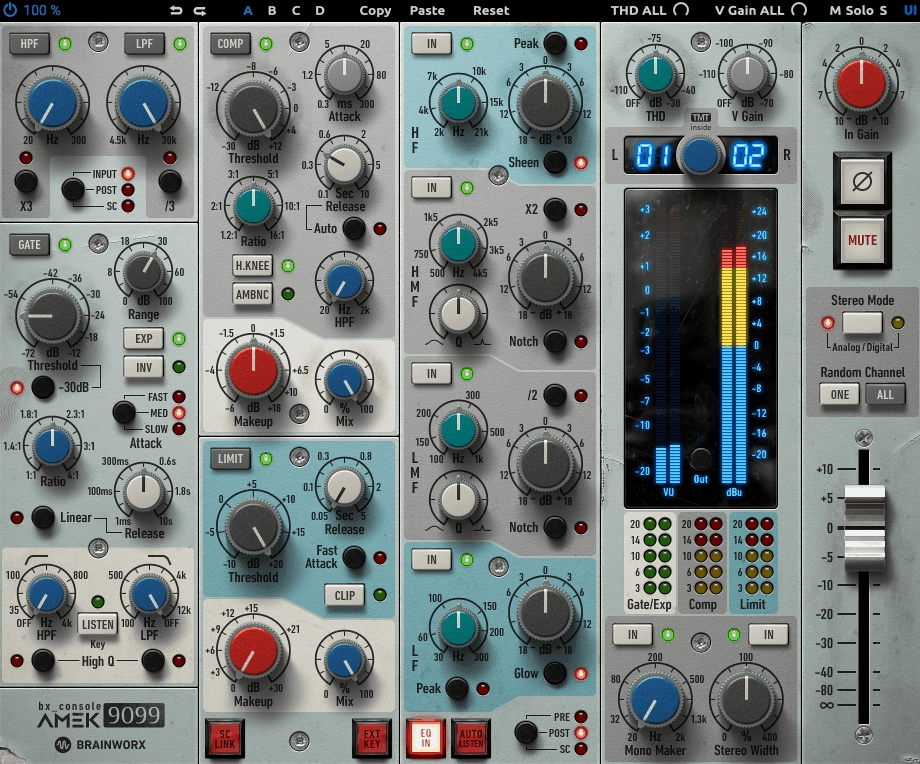
The Random Channel ALL button instantly assigns different TMT channels across all open instances, making the full console effect available in seconds rather than requiring manual configuration.
The practical impact is real. I found that a mix session built on bx_console N channel strips across all tracks had a particular kind of width and energy that’s genuinely different from using a non-TMT emulation or stock plugins for the same job.
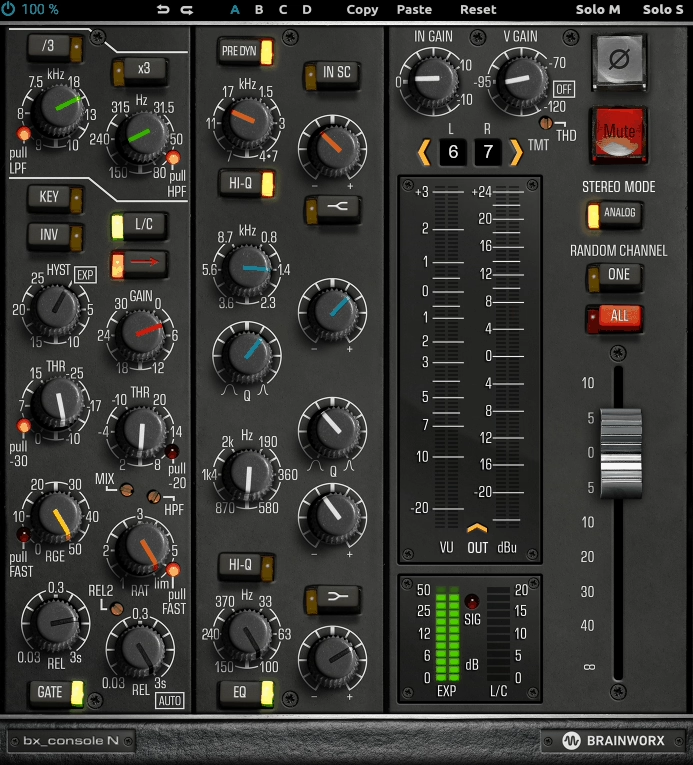
It’s not dramatic on any single channel, but the cumulative effect across the full mix is something you hear as a quality of the overall session rather than a specific processing artifact.
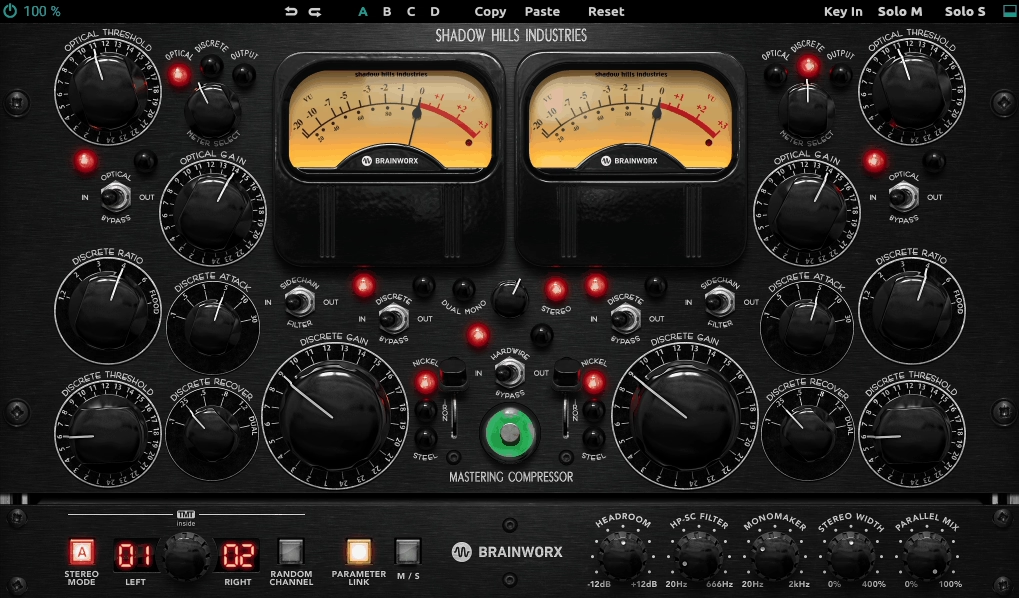
TMT also appears beyond channel strips: the Shadow Hills Class A Mastering Compressor uses it under the hood for discrete component variation, and the bx_townhouse Buss Compressor benefits from TMT when running stereo, mirroring the left-right asymmetry of real hardware VCA pairs.

- UAD’s Circuit-Level Modeling
UAD’s approach is to model the complete physical behavior of specific hardware pieces down to the individual circuit component level.
The goal isn’t to match the frequency response of a Pultec EQP-1A, it’s to model how the actual passive circuit components in that specific EQ interact with the signal, including the way the inductors resonate, the way the tubes saturate, and the way the transformer colors the signal at the input and output.
This level of modeling depth produces results that experienced engineers describe as having a quality that goes beyond what you can measure: the processed signal doesn’t just sound like it was equalized with Pultec curves, it sounds like it went through a Pultec. That distinction might seem subtle, but it changes the mixing decisions you make because you trust the processing differently when you’re working with it.
UAD also uses Neural Networks technology in some of its more recent plugins, including online mastering tools, and partners with Brainworx for TMT implementation in certain UAD catalog titles, which is one of the more interesting examples of the two brands’ overlapping development relationship.
- Tolerance Modeling and Mono Maker: Brainworx’s Signature Features
Two features appear consistently across the Brainworx catalog that don’t have direct equivalents in UAD’s core offering, and they’re worth understanding in detail because they define much of what makes Brainworx distinctive in practice.
You see them implemented across the full range of the catalog, from mastering tools like the SPL PQ Mastering Equalizer and bx_XL V3 limiter to mixing staples like bx_glue, bx_clipper, and the bx_console N, which gives a consistent sonic signature whether you’re tracking, mixing, or mastering.

- TMT in Practice
Beyond the console channel strips, TMT appears in other Brainworx plugins including the bx_2098 EQ, the bx_saturator, and the bx_oberhausen synthesizer.
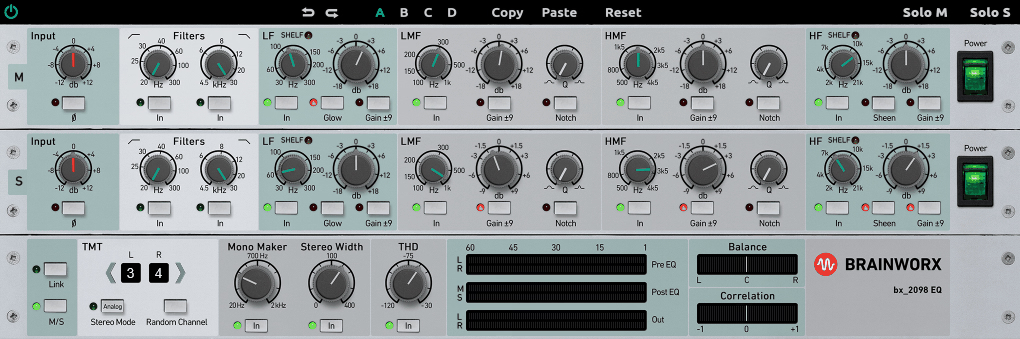
In the context of a synthesizer, the idea of applying different analog component variations to a virtual instrument is genuinely novel, creating subtle harmonic inconsistencies that make the synth sound less digitally perfect in the way that analog synthesizers never sounded perfectly consistent.
The key workflow aspect of TMT is the Analog/Digital switch that appears in many bx_console plugins. In Analog mode, the plugin uses two different TMT channel emulations for the left and right channels of a stereo signal, adding subtle left-right asymmetry that mirrors how a real stereo pair of console channels would behave.
In Digital mode, both sides use the same emulation for a perfectly matched stereo response. For mixing, Analog mode is typically the more musical choice. For precision mastering work where exact stereo matching matters, Digital mode gives you that control.
- Mono Maker
The Mono Maker control appears in the bx_digital V3 and several other Brainworx mastering and mixing tools, and it’s one of the most practically useful features in the brand’s toolkit. It allows you to set a frequency below which the stereo signal is summed to mono, which directly addresses one of the most common mixing and mastering problems: excessive low-frequency content in the side signal.
Low frequencies in the sides of a mix create problems on vinyl mastering, on mono playback systems, and on small speakers that can’t reproduce stereo imaging at bass frequencies effectively.
The Mono Maker lets you set exactly where in the frequency spectrum the signal transitions from stereo to mono, from a few hundred hertz to well below 100Hz, giving you precise control over low-end translation without affecting the stereo image in the frequencies where it actually matters.
UAD doesn’t have a Mono Maker equivalent built into its standard plugin workflow, and for mastering engineers who work regularly on vinyl or across a wide range of playback systems, this is a meaningful practical gap.
DSP Hardware Requirements (UAD)
This is the most structurally important difference between the two brands for the majority of engineers making a purchase decision today, and it deserves a clear explanation rather than a footnote.
- Brainworx: Always Native
Every Brainworx plugin runs natively on your computer’s CPU without any additional hardware. You install through the Plugin Alliance Installation Manager, authorize via iLok, and load the plugin in your DAW like any other native plugin.
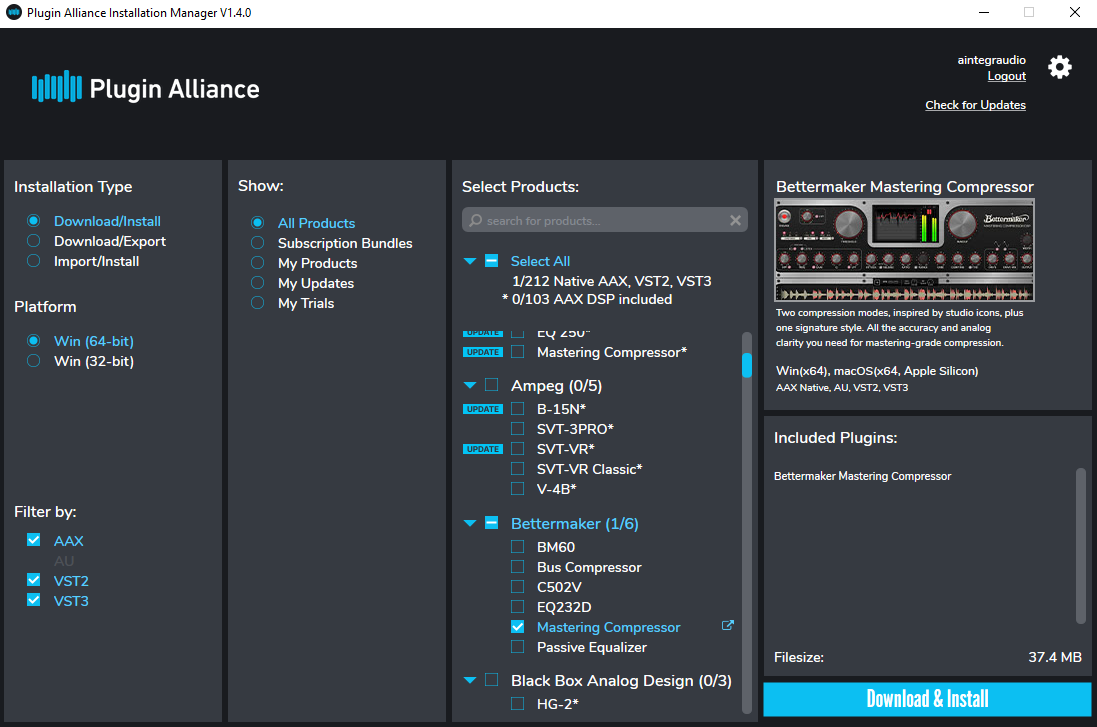
There’s no second piece of hardware to maintain, no DSP chip count to manage, and no compatibility questions related to interface hardware.
CPU load from bx_console plugins is generally reasonable for modern systems. Running 72 instances of a bx_console channel strip in a session is feasible on a well-configured modern machine, which is the intended use case for the TMT feature to deliver its full effect.
- UAD: Hardware and Native Options
UAD now operates in two modes. Spark and individual native licenses run natively on your CPU exactly like Brainworx plugins, with no hardware required.
UAD Spark subscription at $19.99 per month gives you 60+ plugins in native format, and UAD has confirmed they continue expanding this catalog.
DSP-accelerated UAD requires an Apollo audio interface or UAD-2 hardware accelerator, and this path still offers two real advantages over native processing. First, zero-latency real-time tracking through UAD plugins when recording live instruments, which matters significantly for vocalists and instrumentalists who need to hear processed monitoring while performing.
Second, Unison technology, which physically changes the impedance characteristics of the Apollo preamp circuit when a UAD preamp plugin is loaded, affecting how microphones and instruments interact with the hardware in ways that native software modeling alone cannot replicate.
For engineers working entirely in-the-box on previously recorded material, the native Spark path and Brainworx native plugins are on equivalent footing in terms of how they run. For engineers who track live performances and want to hear UAD processing in real time without latency, the Apollo hardware investment remains genuinely irreplaceable.
Bundle Options and Pricing
- Brainworx
Brainworx plugins are available through two main channels, and which one fits depends on whether you prefer subscribing or owning.
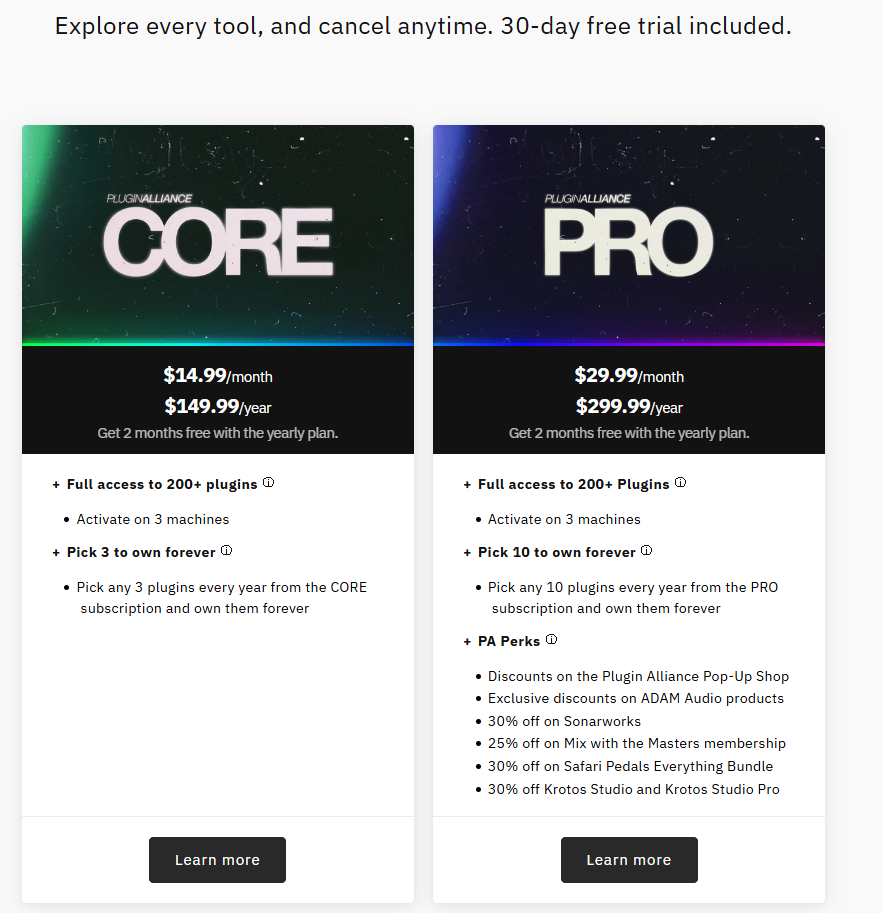
The Plugin Alliance CORE subscription at $14.99/month (or $149.99/year) gives you full access to the entire 200+ plugin catalog, including every Brainworx title alongside SSL, Shadow Hills, AMEK, and 40+ other brands. Each year you get to pick 3 plugins to keep forever, even if you cancel.
The PRO tier at $29.99/month (or $299.99/year) expands that to 10 plugins per year to own forever, and adds PA Perks like 30% off Sonarworks and 25% off Mix with the Masters. Both plans include a 30-day free trial, which is generous enough to evaluate the tools across real sessions.
For producers who prefer owning plugins outright, the Made by Brainworx Bundle via Plugin Boutique is the best perpetual-license option.
It includes 20 flagship Brainworx plugins, including the bx_console SSL 9000 J, bx_console AMEK 200, bx_masterdesk PRO, Shadow Hills Mastering Compressor Class A, Purple Audio MC77, SPL IRON, and bx_glue.
Full price is around $499, but during seasonal sales it routinely drops to under $200, which works out to roughly $8-10 per plugin, genuinely hard to beat in the analog-modeling space.
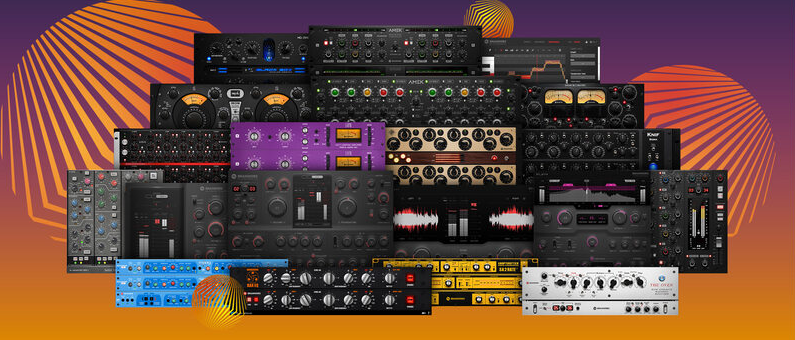
Individual Brainworx plugins are also available as perpetual licenses, with standard prices ranging from $149 to $349. Plugin Alliance’s custom bundle vouchers (PICK2, PICK3, PICK4) drop these to $15-$25 each during regular sales. Every individual plugin also comes with a 14-day fully functional trial, separate from the subscription trial.
The practical takeaway: if you want everything and like trying new tools regularly, CORE subscription is the best value entry point. If you want to own a curated analog-modeling toolkit permanently, wait for the Made by Brainworx Bundle to go on sale and grab it then.
Every individual Brainworx plugin also comes with a fully functional 14-day trial through Plugin Alliance, which is the best way to evaluate specific tools before purchasing.
- UAD
Spark at $19.99 per month or $149.99 per year gives access to 60+ native plugins. Promotional pricing has brought annual Spark access to $79 during certain periods.
Individual perpetual UAD plugin licenses range from $29 on sale to over $200 at full price, and UAD runs regular sales events including Black Friday and seasonal promotions.
For existing Apollo hardware owners, perpetual DSP plugin licenses automatically include native UADx versions of Spark-compatible plugins at no additional cost, which is a genuine benefit for engineers who already own Apollo hardware and want to use the same plugins natively on a separate system.

Genre Fit
- Brainworx
Brainworx’s console emulation strength makes it particularly effective anywhere a traditional mixing console workflow is the foundation. Rock, pop, hip-hop, R&B, and country productions that run through a full-channel console signal path benefit most from the TMT system, because the feature is most impactful when it’s working across all tracks simultaneously rather than on a handful of channels in isolation.
For mastering specifically, Brainworx has a strong toolkit. The M/S-first approach of bx_digital V3, bx_masterdesk PRO, and bx_refinement suits engineers who think in terms of mid and side processing as primary mastering tools rather than treating it as an advanced option.
The bx_XL V2 limiter and bx_boom kick tool cover the low-end management that matters in hip-hop, electronic, and bass-heavy contemporary genres.

- UAD
UAD’s vintage compressor and EQ depth makes it highly effective wherever the character of specific classic hardware is central to the genre’s sound. Soul, rock, blues, country, and acoustic music all benefit from the warmth of the 1176 and LA-2A compression and the musical EQ curves of the Neve and Pultec emulations.
The reverb catalog, particularly the Lexicon 224 and Capitol Chambers, is genuinely irreplaceable in genres where the sound of those specific rooms and algorithms appears throughout the classic recorded canon.
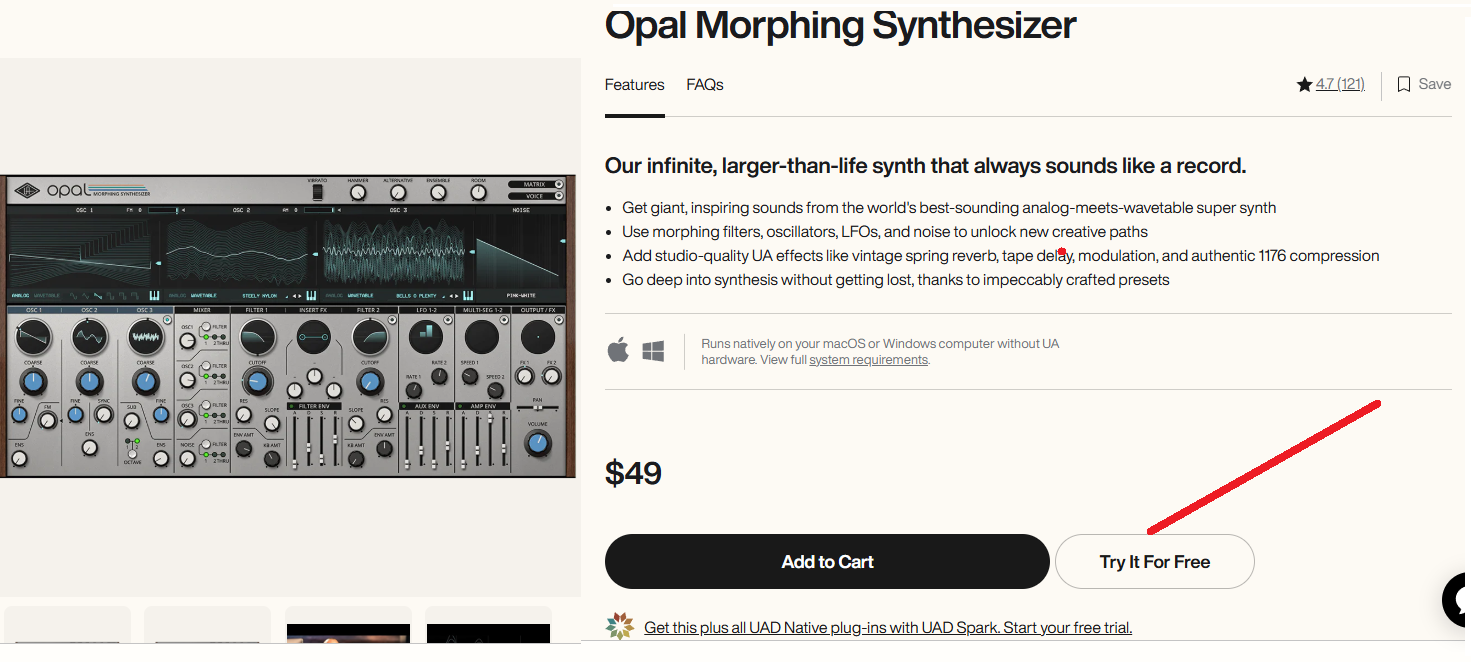
For electronic and modern pop, the UAD offerings serve well as mix bus processing and on key elements but lack some of the genre-specific production tools that Brainworx and other native brands provide more directly. The Opal synthesizer in Spark is UAD’s most directly electronic-music-oriented creative instrument.

Trials and Demo
- Brainworx Trials
Plugin Alliance and Brainworx offer a 14-day fully functional trial on every individual plugin in the catalog. This means you can install any specific bx_console channel strip, any mastering EQ, or any compressor and use it in real sessions for two weeks before making any purchase decision.
For engineers who want to evaluate a specific tool against their actual sessions rather than in artificial demo conditions, this policy is genuinely useful.
Additionally, the PA Free collection includes 20 permanently free plugins from across the Plugin Alliance ecosystem, including several Brainworx tools that give you a real-world experience of the brand’s approach and interface design at no cost.
- UAD Trials
UAD Spark also includes a 14-day free trial with no purchase or credit card required upfront, and Volt interface owners receive a full free month. For Apollo and UAD-2 hardware owners, the try-before-you-buy system on the DSP platform lets you run any plugin in the 200+ catalog within a real session before purchasing.
You hear the plugin on your actual material, in your actual workflow, before committing to a price.
The try-before-you-buy system on DSP hardware is one of the most honest evaluation tools in the plugin industry because it eliminates all the controlled-demo variables that make comparing plugins in isolation unreliable.
Which Is Better Value for Native Users?
This is the question that matters most for engineers who aren’t invested in UAD hardware and are comparing these two brands purely on plugin quality, catalog depth, and cost in a native-only context.
For native users, Brainworx offers the stronger value proposition in most situations, and the reasons are both practical and sonic.
The console emulation story belongs to Brainworx. The bx_console SSL series, particularly the SSL 4000 E and SSL 9000 J with TMT, is the most convincing in-the-box recreation of running a full mix through a real analog console, and nothing in UAD’s Spark catalog delivers the same experience.
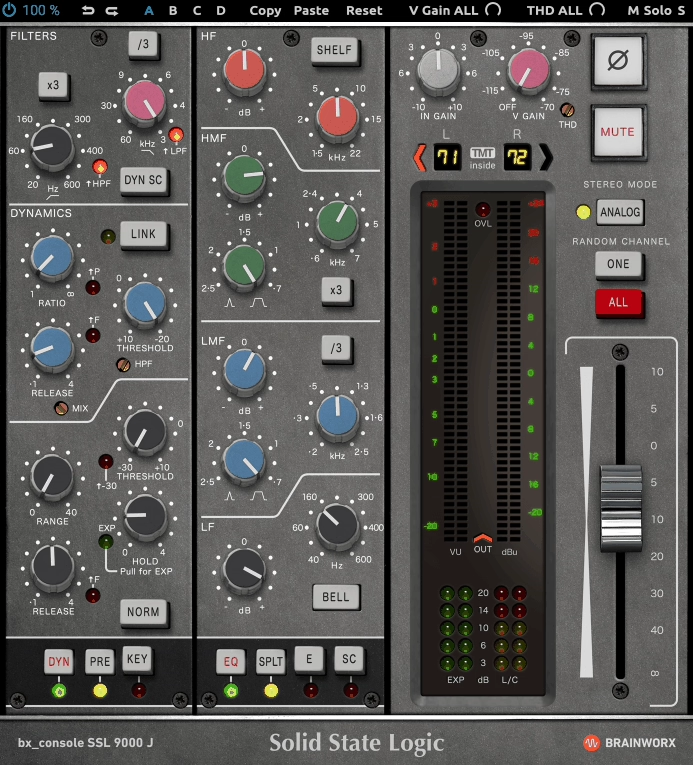
If building a virtual console workflow across all tracks in a session is part of how you mix, Brainworx gives you that specifically and UAD’s Spark collection doesn’t.
The M/S processing integration throughout the Brainworx toolkit also adds practical value that native UAD users don’t get from the same tools without additional routing. For mastering engineers in particular, the ability to apply EQ, compression, and limiting with full M/S control in a single plugin rather than setting up parallel M/S routing is a workflow efficiency that adds up over the course of real sessions.
On price, the bx_bundle at $12.99 per month for 58 plugins is genuinely competitive with UAD Spark at $19.99 per month for 60+ plugins, and the Brainworx catalog is more focused on the console and mastering territory where the brand is strongest.
If you want just the Brainworx console tools permanently, flash sales make individual bx_console licenses available at prices that undercut subscription costs for targeted buyers.
Where UAD wins for native-only users is in specific vintage compressor and reverb character that Brainworx and the broader Plugin Alliance catalog don’t replicate as closely: the LA-2A optical compression, the Lexicon reverb algorithms, and the Capitol Chambers room emulation are UAD-specific experiences that have no direct native equivalent.
For engineers who want those specific tools and are comfortable with a subscription for access, UAD Spark at native quality is still a strong choice even without hardware.
Bottom Line
Brainworx and UAD are complementary more than they are competitive, which isn’t a hedge, it’s the realistic practical conclusion given how deeply the two brands’ catalogs overlap through their development partnership.
Brainworx is the better choice if your primary focus is console-workflow mixing with TMT-based channel emulation across all tracks, M/S-integrated processing at every stage of the signal chain, comprehensive mastering tools with built-in Mono Maker and stereo field control, and access to all of that natively at accessible perpetual pricing or a lower monthly subscription rate.
The console emulation catalog is simply the most thorough available for native operation, and the bx_digital V3 and bx_masterdesk are mastering tools of genuine distinction.
UAD is the better choice if the specific character of vintage hardware compressors like the 1176 and LA-2A, the specific spatial quality of Lexicon reverb algorithms and real studio room captures, or the ability to track live instruments through Unison-enabled preamp processing are important to your work.
The broader UAD catalog covering over 200 plugins for hardware owners is more comprehensive than anything Brainworx alone covers, and the Spark native access makes the most important tools in that catalog available at competitive pricing without hardware.
For engineers building a toolkit from scratch with no UAD hardware already in place, I would suggest starting with the Brainworx bx_console tools and the Spark subscription running simultaneously. They cover genuinely different ground, they complement each other in practice, and between them you have most of what a professional mixing and mastering toolkit needs.
Check UAD Website
Check Brainworx Website
Check Plugin Alliance
Get the Free Plugin Starter Kit
The genuinely useful free DAWs and plugins worth installing. No filler. Straight to your inbox.

Hello, I’m Viliam, I started this audio plugin focused blog to keep you updated on the latest trends, news and everything plugin related. I’ll put the most emphasis on the topics covering best VST, AU and AAX plugins. If you find some great plugin suggestions for us to include on our site, feel free to let me know, so I can take a look!