
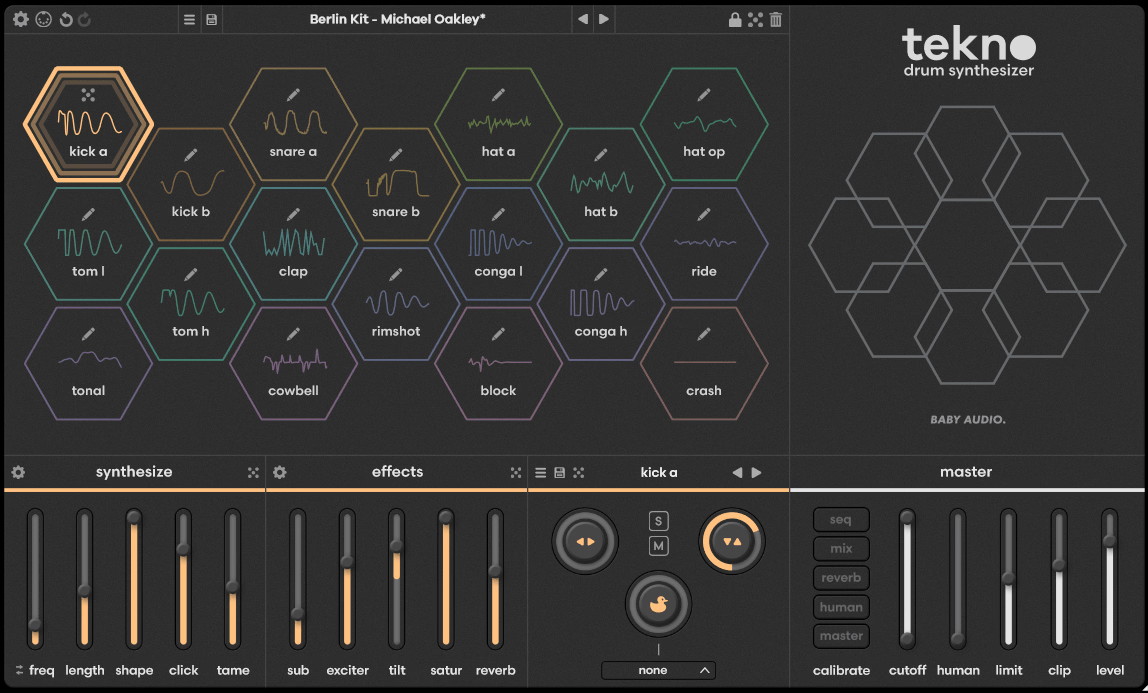
Baby Audio Tekno is one of the more genuinely interesting drum plugins to come out in the last couple of years, and it approaches the whole concept of drum production from a completely different angle than most competitors.
Instead of being a sample-based drum machine like Battery, XO, or even Wave Alchemy’s Triaz, Tekno is a drum synthesis plugin that generates its sounds from synthesis algorithms rather than sample playback.
Combine that with an AI-powered Calibrate feature that intelligently adjusts parameters for you, and you’ve got a plugin that works differently from pretty much anything else on the market right now.
The target audience here is pretty specific. Tekno is built for electronic music producers working in techno, house, industrial, minimal, drum and bass, and other electronic genres where synthesized drums are the expected sound rather than acoustic or sampled ones.
Is Tekno worth it? I’d say yes, especially if you work in electronic music and you want drum sounds that are genuinely unique rather than pulled from the same sample packs everyone else is using.
The combination of synthesis-based drum generation, the AI Calibrate feature, and the genuinely deep effects section makes it one of the more creative drum plugins I’ve used recently, and it’s a reasonable investment for producers who care about sound design.
From the Pluginerds Store
Before you get into the list below, a wireless pad controller gives you the velocity sensitivity to build patterns live alongside your main unit — a genuinely useful complement to any groovebox or sampler here.


What Makes Tekno Different
Tekno doesn’t rely on a sample library at all. Every drum sound is generated by synthesis, which means you’re shaping the actual sound-producing elements (oscillators, resonators, envelopes) rather than loading and modifying pre-recorded samples.
This is a fundamental design decision that shapes everything about how the plugin works. Because the sounds are synthesized, you can morph between radically different drum characters by adjusting synthesis parameters rather than swapping samples, and you end up with drum sounds that don’t exist in any sample library anywhere.
Here’s what genuinely sets Tekno apart:
- Pure Synthesis Engine:
Every drum sound is built from synthesized oscillators and resonators rather than samples, which means your drums can’t be identified as coming from any specific sample pack. The sounds feel genuinely yours in a way that sample-based drums often don’t.
- AI-Powered Calibrate:
The Calibrate feature uses AI to intelligently adjust parameters across the synth and effects sections, giving you instant variations and sound design suggestions that would take manual tweaking forever to discover.
- Techno-Focused Design:
The plugin is specifically designed for electronic genres where synthesized drums are central to the sound, rather than trying to be everything to everyone.
- Deep Effects Integration:
The effects section is genuinely substantial and integrated into the sound design workflow rather than being a polish step at the end, which means effects are part of the sound design rather than something added afterward.
- Intuitive Interface:
Baby Audio’s design sensibility comes through here, clean, visual, and easy to navigate without feeling dumbed down.
For me, what makes Tekno click is that it fills a gap most drum plugins don’t even try to address. Modern drum machines are almost all sample-based, which means everyone’s drums end up sounding similar because they’re drawing from the same libraries.
Tekno bypasses that entirely.
“Tekno generates drums from synthesis rather than samples, which means your sounds are genuinely unique rather than recycled from the same sample packs.”
Get the Free Plugin Starter Kit
The genuinely useful free DAWs and plugins worth installing. No filler. Straight to your inbox.
The Synthesize Section
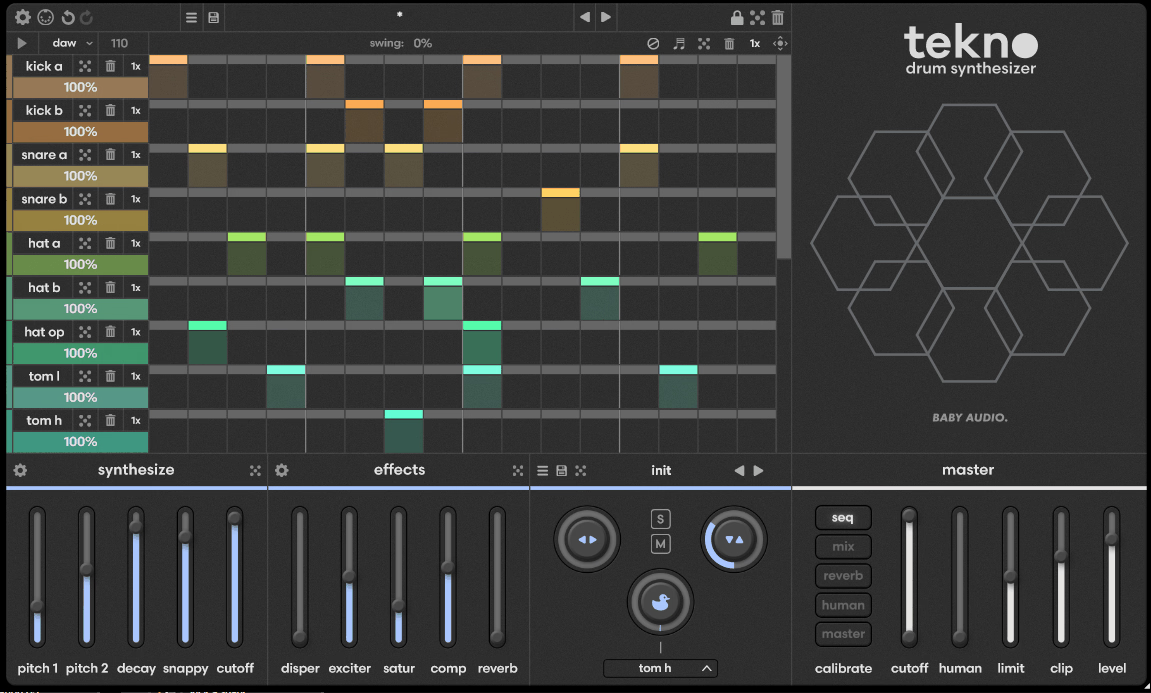
The Synthesize section is where the core drum sound is generated, and the parameters here give you direct control over the sonic elements that make up each drum hit. The five main controls break down into two functional groups that each handle a different part of drum synthesis.
- Pitch Control:
This is where Pitch 1 and Pitch 2 live. Pitch 1 is the primary pitch parameter that controls the fundamental frequency of the drum sound, determining the core sub-frequency for kicks, the body tone for snares, and the perceived note for percussion.
Pitch 2 acts as a secondary pitch element that adds harmonic complexity or creates the kind of frequency interplay that makes synthesized drums feel more alive, and combining the two at different settings lets you build drums with complex spectral content.
- Character Shaping:
The three parameters that shape the actual character of each hit are Decay, Snappy, and Cutoff. Decay controls the decay time of the drum, shaping whether you end up with short, punchy hits or longer, ringing tones, with a huge effect on the character from tight techno kicks to long, ringing toms.
Snappy adjusts the high-frequency transient content, essentially controlling how sharp and present the attack feels, higher values add definition and bite while lower values produce softer, rounder hits. Cutoff is a filter cutoff control that shapes the tonal character of the drum, useful for rolling off top end on warmer drums or opening things up for brighter, more aggressive sounds.
I like how the Synthesize section keeps the core parameters focused. You’re not dealing with dozens of knobs just to shape a kick drum, you’ve got the essentials that actually matter for drum synthesis, and each parameter makes an audible difference when you adjust it.
Synthesis Calibration Section
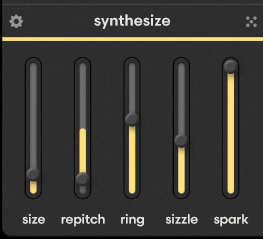
The Synthesis Calibration section is where the deeper sound design lives, giving you control over the resonant elements and behavior that determine the specific character of each drum. The parameters split into two groups that shape tone and feel separately.
- Resonant Shaping:
This is where Resonator 1 and Resonator 2 live. Resonator 1 is the primary resonator that shapes the harmonic content of the drum sound, and adjusting it changes the fundamental tonal character from tight, damped hits to more resonant, ringing tones. Resonator 2 interacts with the first, adding complexity and depth to the synthesized drum, and the interplay between the two resonators is where a lot of the unique character of Tekno’s drums comes from.
- Behavior and Feel:
The remaining parameters handle how the drum responds and how natural it feels.. Feedback controls the amount of feedback within the synthesis engine, affecting how the resonators interact and how much sustained energy the drum produces, higher feedback creates more dramatic, resonant drums while lower feedback keeps things tighter. Balance balances the levels between the different synthesis components, letting you emphasize specific elements within the drum sound.
Humanize adds subtle variations to the synthesis parameters between hits, keeping programmed drums from sounding robotic and repetitive, a small feature that makes a big difference in how natural the drums feel.
Lastly, Calibration section is where you go when the basic Synthesize controls have gotten you close but you need to shape the specific character more precisely. I’ve found that the resonator interaction in particular is where you can dial in drum sounds that feel genuinely distinctive rather than generic.
The Sequencer
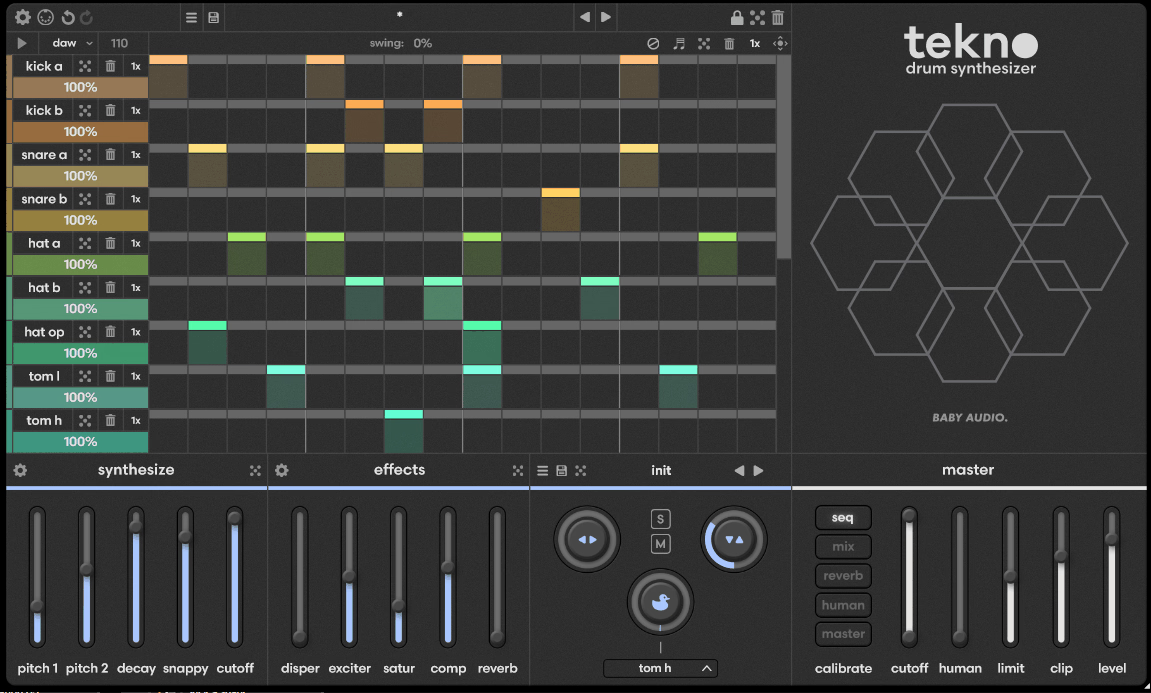
When it comes to sequencer, it’s designed around the kind of drum programming that actually happens in electronic music production.
It handles step-based programming with the expected features like velocity per step, pattern banks, and tempo sync, but it’s the integration with the synthesis engine that makes it genuinely useful. Because the drum sounds are generated from synthesis rather than samples, you can modulate synthesis parameters on a per-step basis, which means different hits within the same pattern can have completely different character.
The sequencer also supports the kind of pattern variation and probability features you’d expect from a modern drum machine, letting you build patterns that evolve over time rather than repeating mechanically.
For me, the real power of it comes when you combine it with the Calibrate feature. You can build a pattern, run Calibrate to generate variations, and quickly audition completely different sonic directions without having to manually redesign the drums.
“The AI Calibrate feature lets you generate sonic variations that would take manual tweaking forever to discover.”
Effects
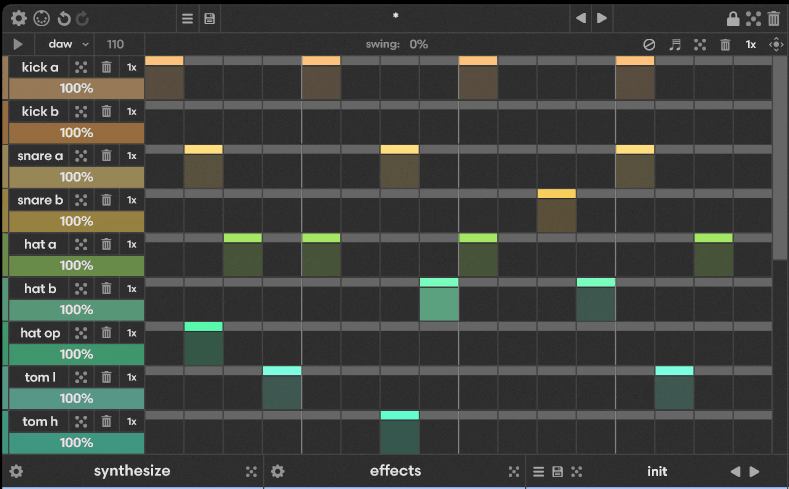
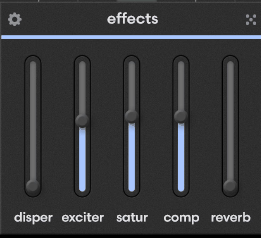
Tekno’s Effects section is genuinely substantial, with a full chain of processors that shape the synthesized drums into their final sound. The chain breaks down into three functional groups that each handle a specific part of the sonic picture.
- Character and Texture:
This is where Disper, Exciter, and Satur live. Disper creates unique spatial and harmonic movement through dispersion, going beyond standard time-based effects.
Exciter adds high-frequency energy and presence through harmonic enhancement, giving drums definition and air without simply boosting with EQ. Satur brings harmonic warmth and drive, ranging from subtle analog-style coloration to more aggressive distortion depending on how hard you push it.
- Dynamics and Transients:
The dynamic processing sits here with Comp and the Transient Shaper. Comp handles dynamic control and punch, essential for shaping the attack and sustain of drums into the kind of consistent, impactful hits that modern electronic music demands.
The Transient Shaper gives you independent control over the attack and sustain of the drum signal, letting you emphasize snap or soften transients independently of the synthesis parameters.
- Space and Tone:
Reverb and Filter round out the chain. The built-in Reverb adds spatial depth, useful for placing drums in a perceived acoustic space or adding rhythmic ambience to the drum bus.
The Filter is a dedicated tonal shaping tool that lets you adjust the character of the processed signal, distinct from the synthesis-level cutoff.
Effects Calibration
The Effects Calibration Section gives you deeper control over the behavior of each effect in the chain, letting you shape the specific character rather than just the overall amount.
- Tonal Calibration:
This group covers Dispersion, Exciter, and Saturation calibration. Dispersion calibration fine-tunes the effect’s depth and character, adjusting how prominently it shapes the overall sound. Exciter calibration controls intensity and frequency targeting, giving you precision over where and how much harmonic enhancement is applied. Saturation calibration opens up deeper parameters that let you dial in the exact character of the drive and harmonic content.
- Dynamics Calibration:
For Compression and the Transient Shaper, the calibration controls handle the finer details. Compression calibration sets the specific dynamic response rather than relying on the basic Comp control alone. Transient Shaper calibration fine-tunes detection and response, letting you adjust how it interacts with different types of drum content.
- Filter Calibration:
The Filter gets its own calibration layer, shaping the specific frequency response and resonance behavior of the in-chain filter beyond the basic cutoff and resonance controls.
I appreciate that Tekno gives you both high-level controls in the main effects section and deeper calibration parameters when you need them. You can work fast when you’re just getting a sound together and then dive deeper when specific elements need more precise attention.
Sound Character
Tekno produces drum sounds that are genuinely different from what you get from sample-based plugins.
The character is distinctly electronic, synthetic, and modern, with the kind of punchy, tight transients and resonant body tones that work naturally in techno, house, and other electronic genres. Because every sound is synthesized, you can push the plugin into territories that sample-based drums simply can’t reach, extreme tuning, drastic filtering, and synthesis-based modulations that would sound artifact-heavy on samples.
I’d say Tekno is particularly strong on kicks and percussion, where the synthesis approach produces drums that feel solid and impactful rather than thin or artificial. Snares and hi-hats work well too, though the synthetic character is more obvious on those elements, which is either a feature or a limitation depending on what kind of sound you’re going for.
What I appreciate most is that Tekno’s drums have a kind of cohesion that sample-based drum kits often lack. Because everything is generated from the same synthesis engine, the drums feel like they belong together rather than sounding like they were pulled from different samples with different recording qualities.
Genre Fit
Tekno is very clearly designed for specific genres, and it shines brightest where its synthesis-based approach aligns with the music’s needs.
Techno and minimal are where the plugin is genuinely excellent. The synthesis character matches exactly what these genres need, punchy, synthetic drums with modulation possibilities that sample-based plugins can’t easily match.
Over in house and tech house territory, the plugin works well for modern, synthetic-sounding production, though you might want to mix it with sampled drums for genres that lean more organic or vintage.
When you move into industrial, drum and bass, and experimental electronic, Tekno’s ability to push synthesis into extreme territories makes it a strong fit for aggressive, distorted, or experimental drum sounds.
Hip-hop, lo-fi, and acoustic-leaning electronic is where Tekno becomes less of a natural fit, because those genres typically want the warmth and imperfection of sampled or recorded drums. You’d reach for Triaz, XO, or a traditional sampler for those styles.
Final Thoughts
Baby Audio Tekno is a genuinely creative drum plugin that does something different from most of what’s out there.
The combination of pure synthesis-based drum generation, the AI Calibrate feature, and the genuinely deep effects section means you get a tool that encourages experimentation and sound design rather than preset-based thinking. I’d say the per-sound flexibility is what really sets Tekno apart, because you can build drums that feel distinctive rather than recycled from the same sample packs everyone else uses.
I want to note that Tekno isn’t trying to be a do-everything drum plugin. It’s specifically a drum synthesis tool for electronic genres, and trying to use it for acoustic or sample-based drum production is going to feel like fighting the tool rather than working with it.
But for producers working in techno, house, industrial, drum and bass, and modern electronic music who want drum sounds that feel genuinely unique, Tekno is a compelling addition to the toolkit. The combination of synthesis depth, AI-assisted sound design, and a well-designed effects section makes it one of the more creative drum plugins available right now.
I would recommend it especially for techno and electronic producers who care about sound design and want a drum tool that rewards exploration. For those producers, Tekno earns its place in a session rather than sitting unused after the initial excitement wears off.
More info & Price: Baby Audio Tekno (Support Pluginerds)
More info & Price: Baby Audio Tekno (Trial Available)
Get the Free Plugin Starter Kit
The genuinely useful free DAWs and plugins worth installing. No filler. Straight to your inbox.

Hello, I’m Viliam, I started this audio plugin focused blog to keep you updated on the latest trends, news and everything plugin related. I’ll put the most emphasis on the topics covering best VST, AU and AAX plugins. If you find some great plugin suggestions for us to include on our site, feel free to let me know, so I can take a look!