
Most mixing guides will tell you to use open-back headphones and call it a day. And in a perfect world where everyone has a quiet, dedicated studio room, that’s solid advice. But the reality for most of us is different. Maybe you mix in an apartment where sound leaking out would bother your partner or roommates. Maybe your studio doubles as a bedroom, or you share a workspace, or you travel and need to mix on the go. In all of those situations, closed-back headphones become the practical choice for mixing, not the ideal one in theory, but the right one for your actual life.
The good news is that closed-back headphones have gotten significantly better for mixing over the last several years. The old complaint that sealed designs all sound boxy, narrow, and bass-heavy isn’t really true anymore for the better models.
Some of the headphones on this list produce a soundstage wide enough to make genuine stereo placement decisions, a frequency response flat enough to make EQ calls that translate to speakers, and a comfort level good enough to wear through a full mixing session.
They still don’t match the spatial openness of the best open-backs, and I won’t pretend otherwise. But the gap has narrowed, and for producers who need isolation, the trade-off is worth making. Here are nine closed-back headphones plus a bonus pick that handle mixing duties well.
1. DJ Studio Monitor Headphones — $66.99

Starting with a practical option for producers who need closed-back monitoring now without committing to the investment the specialist reference headphones below represent.
DJ Studio Monitor Headphones from the Pluginerds store give you closed-back sealed ear cups, 40mm dynamic drivers, and a foldable construction at $66.99. This is not a substitute for the Neumann NDH 20 or the Audeze below. I want to be clear about that. But the closed-back isolation is real, the drivers reproduce the full mixing range, and at $66.99 the cost of getting started with dedicated monitoring hardware is lower than the cheapest option elsewhere in this article by a meaningful margin. If you are mixing on whatever consumer headphones happen to be nearby and need to start with something purpose-built, this is where that starts.
- Closed-Back Isolation
The sealed ear cup design provides passive isolation that blocks external noise from contaminating your listening environment and prevents click tracks and backing music from bleeding into microphones during recording sessions.
In a home studio where you mix in shared spaces or rooms with street noise, the closed-back seal gives you a consistent listening environment regardless of what is happening around you. The isolation is the fundamental function of any closed-back monitoring headphone, and this delivers it at a price that removes the usual barrier to getting started.
- 40mm Drivers
The 40mm dynamic drivers reproduce your mix across the frequency range needed for identifying balance problems, evaluating basic EQ decisions, and assessing dynamic processing across the full mix.
At this price point the frequency response has character rather than studio-reference flatness, which means you will want to cross-reference critical decisions against speaker playback as you develop the habit. That habit is worth building regardless of which headphones you use. What the 40mm drivers provide is a consistent, wearable listening environment that removes ambient noise from your monitoring chain.
- Foldable Build
The foldable construction collapses for storage and transport, which matters in home studios where gear shares space and headphones double as tracking cans passed between performers during sessions.
The fold mechanism handles daily studio use without the fragility concerns that sometimes come with lower-priced alternatives. At 44 units available in the store, these ship immediately without the lead times that some specialist monitoring headphones carry.
Shop at Pluginerds — DJ Studio Monitor Headphones $66.99
Get the Free Plugin Starter Kit
The genuinely useful free DAWs and plugins worth installing. No filler. Straight to your inbox.
2. Neumann NDH 20
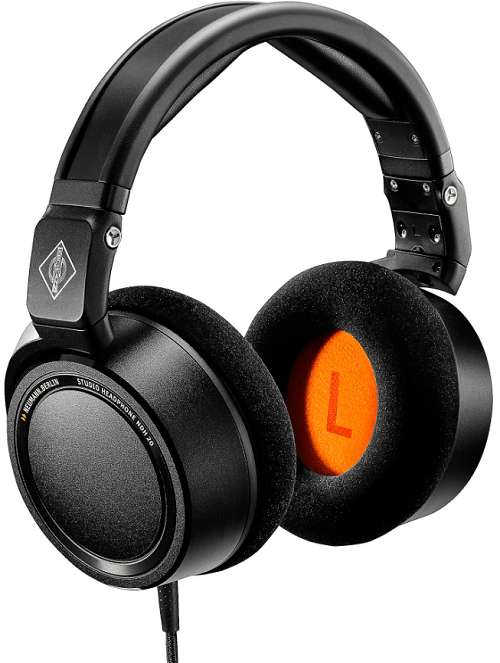
Closed-back headphones from the brand that’s been building studio microphones since 1928. Neumann NDH 20 brings the same precision engineering philosophy to monitoring, with a frequency response tuned to align with Neumann’s KH studio monitor series, a folding design for portability, and a sound that aims for the tonal consistency between speakers and headphones that mix engineers actually need.
What makes the NDH 20 stand out for mixing specifically is the monitor-matching concept. If your studio already uses Neumann monitors, switching between your speakers and the NDH 20 doesn’t produce the jarring tonal shift that forces you to mentally recalibrate every time you take the headphones off or put them back on.
- Monitor Alignment
The frequency response is deliberately tuned to match the tonal characteristics of Neumann’s KH studio monitors, so your mixing decisions transfer consistently between speakers and headphones during a session.
When you set your vocal level, adjust your bass balance, or dial in a reverb return on the NDH 20, those decisions should hold up when you switch to your Neumann monitors and vice versa.
The tonal consistency between monitoring sources eliminates one of the biggest sources of confusion in headphone mixing, where decisions sound right on the cans but wrong on the speakers because the two have different frequency curves.
- Mixing Clarity
The 38mm drivers produce a detailed, balanced sound with particularly good midrange definition that helps you make accurate decisions about the frequency range where most of your mix actually lives.
Vocals, guitars, keyboards, snares, and the body of most instruments occupy the midrange, and the NDH 20’s clarity in that region means you hear how those elements sit relative to each other with confidence.
The bass is present without being hyped, which means your low-end decisions are more likely to translate to speakers than they would on closed-backs that artificially inflate the bottom end.
- Fold Flat
The ear cups fold flat against the headband, making the NDH 20 more portable than most studio headphones and more practical for freelance engineers who move between facilities.
The folding mechanism means the headphones occupy roughly half the storage space of a non-folding design, which matters when your studio has limited drawer space or when you’re carrying headphones in a bag alongside other gear.
- Isolation Balance
The sealed design blocks enough external sound for focused mixing in moderately noisy environments without the extreme pressure feeling that some over-sealed closed-backs create.
The isolation is sufficient for mixing in a shared room, a bedroom studio, or any space where open-backs would be impractical, while maintaining enough internal comfort that you don’t feel like your ears are in a vacuum chamber after two hours.
3. Audeze LCD-XC
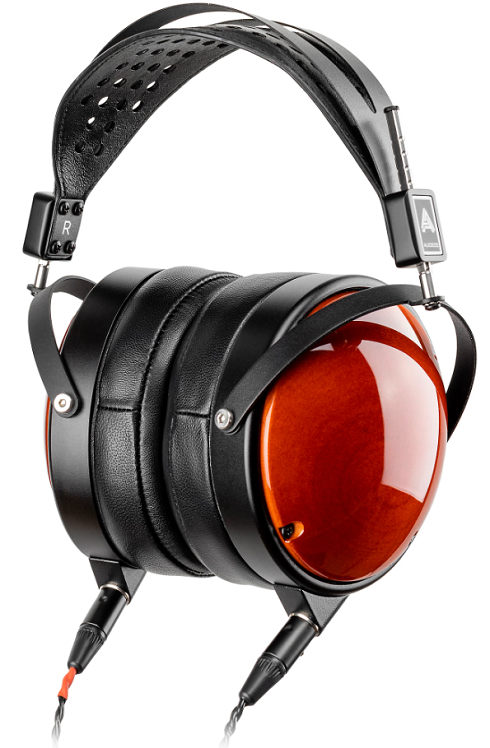
The premium option for producers who refuse to compromise on sound quality just because they need a sealed design.
Audeze LCD-XC uses large-format planar magnetic drivers in a closed-back enclosure, producing a bass response, transient speed, and detail resolution that you’d normally only find in open-back headphones.
It’s the closest I’ve heard a closed-back come to matching the performance of a premium open-back, and for mixing, that matters because you’re getting closer to the truth of what’s in your audio.
The LCD-XC isn’t cheap and it isn’t light. At around 635 grams, you feel it on your head during long sessions, and I won’t pretend that’s not a factor. But the sound quality from the planar drivers in a sealed enclosure is genuinely in a different category from even the best dynamic closed-backs on this list.
- Planar Precision
Large-format planar magnetic drivers reproduce the entire frequency range with a uniformity and speed that standard dynamic drivers can’t match in a closed-back format.
The entire diaphragm moves as a single unit rather than flexing from a central coil, which produces bass that’s tighter, highs that are faster, and an overall distortion level that’s lower. For mixing, the planar precision means your EQ decisions, compression settings, and spatial adjustments are based on more accurate information than what dynamic closed-backs provide.
- Bass Authority
The low-frequency extension and control of the planar drivers gives you genuine confidence in bass mixing decisions that are typically the weakest point of closed-back headphone mixing. Most sealed headphones either hype the bass through chamber pressure effects or roll it off early, both of which mislead your mixing.
The LCD-XC reproduces bass that’s extended, controlled, and honest, meaning when you set your kick drum level or adjust your sub-bass, the result is more likely to sound correct on speakers.
- Fazor Tech
Audeze’s Fazor waveguide elements direct the sound from the planar driver toward your ear in a controlled pattern, reducing the internal reflections within the sealed cup that smear detail and narrow the stereo image in most closed-back designs.
The Fazor technology is a significant part of why the LCD-XC sounds wider and more spacious than typical closed-backs, because the waveguides address the acoustic problems that sealing a headphone cup normally creates. For mixing, the reduced internal reflection translates to better stereo imaging and more accurate spatial decisions.
- Build Substance
The metal and wood construction gives the LCD-XC a substantial, premium feel with the durability to survive years of professional studio use. The build quality is real, with machined aluminum, hand-finished wooden rings, and thick leather headband padding that communicates quality through every physical interaction.
The weight is the trade-off, and it’s a real one for long sessions, but the construction quality means you’re buying a headphone that lasts.
- Detail Window
The resolving capability of the planar drivers reveals low-level detail and subtle elements in your mix that most closed-backs obscure.
Reverb tails, quiet automation movements, compression artifacts, and the texture of distortion are all more audible through the LCD-XC. For mixing, this resolution helps you make micro-adjustments that influence the quality of your final product, because you can hear the effect of small changes rather than only hearing major ones.
- Seal Quality
Despite the planar magnetic drivers requiring more internal space than dynamic drivers, Audeze has engineered the sealed enclosure to provide meaningful passive isolation without introducing the resonances that some closed-back planar designs produce.
The isolation is effective enough for mixing in environments where sound leakage matters, while the internal acoustic design preserves the detail and openness that make the LCD-XC worth its considerable investment.
4. Focal Listen Professional
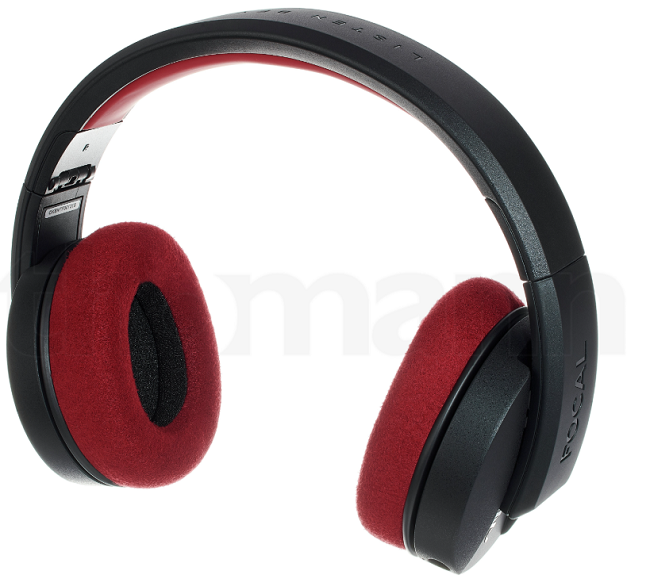
French manufacturer Focal built the Listen Professional specifically for studio use, and it shows in tuning choices that prioritize monitoring accuracy over the immediately impressive sound that consumer headphones chase.
Focal Listen Professional features 40mm titanium/mylar drivers, memory foam ear pads that conform to your head over time, and a sound profile tuned to help you make decisions rather than enjoy yourself.
I find these hit a practical sweet spot for working studios. They sound good enough for accurate mixing decisions, isolate well enough for use in shared spaces, weigh little enough for long sessions, and cost little enough that buying a pair doesn’t require a financial reckoning.
- Titanium Drivers
The 40mm titanium/mylar composite driver provides transient speed and clarity across the frequency range that helps you hear the attack characteristics of drums, the consonants in vocals, and the pick noise on guitars with enough definition to make precise mixing decisions. The titanium element adds rigidity that standard mylar diaphragms lack, which translates to a tighter, more controlled bass and cleaner high-frequency reproduction. For mixing, the driver quality means you hear your audio clearly enough to catch balance problems and frequency conflicts.
- Memory Conform
Memory foam ear pads gradually shape themselves to fit your specific ear and jaw anatomy over the first few weeks of use. The personalized seal that develops improves both comfort and isolation simultaneously because the foam fills gaps that standard pads leave. After the break-in period, you get a consistent fit every time you put them on, which also means a more consistent frequency response from session to session because the seal doesn’t vary.
- Studio Tuning
The frequency response is tuned for monitoring accuracy with a slightly warm character that avoids the clinical harshness of some analytical headphones while remaining honest enough for mixing decisions. The Listen Professional doesn’t sound exciting in the way consumer headphones do. It sounds correct, which is what you want when you’re making decisions about levels, EQ, and dynamics that need to translate to other playback systems.
5. Beyerdynamic DT 1770 Pro MKII
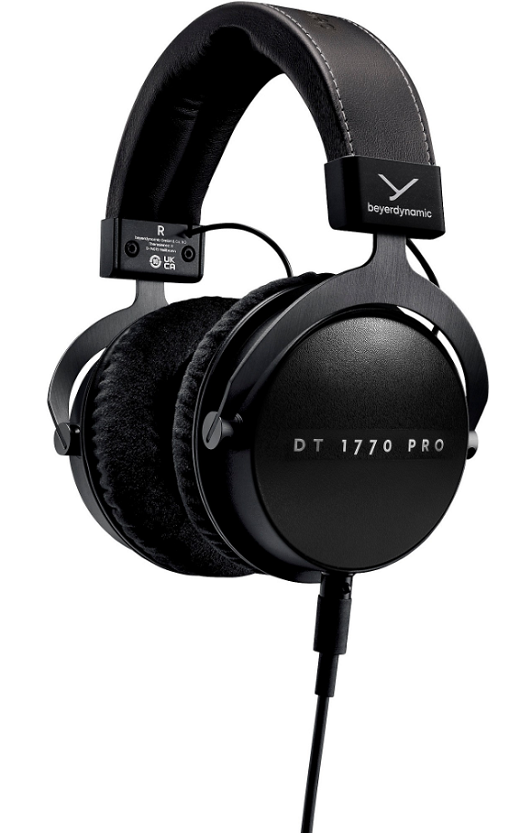
Beyerdynamic’s professional closed-back updated with refinements to the driver and comfort while keeping the revealing, detailed character that made the original DT 1770 a studio standard. DT 1770 Pro MKII uses Tesla driver technology, includes two sets of interchangeable ear pads, and features the German company’s trademark build quality that survives years of daily professional use.
What I’ve always found distinctive about the DT 1770 is its revealing treble. It shows you every sibilant, every harsh frequency, every cymbal ring with clarity that can be intense during long sessions. For catching high-frequency problems during mixing, that honesty is genuinely useful, even if it means the headphone isn’t the most relaxing to listen to for pleasure.
- Tesla Reveal
The Beyerdynamic Tesla driver generates a powerful magnetic field that drives the diaphragm with speed and precision, producing detailed transients and a revealing frequency response that exposes problems in your mix. The revealing character is particularly pronounced in the upper frequencies, where sibilance, harshness, and masking issues become clearly audible. For mixing, this means you catch problems that gentler headphones smooth over, which leads to cleaner mixes that hold up on systems with more aggressive treble.
- Pad Options
Two interchangeable ear pad sets alter both the comfort and the frequency response slightly for different mixing scenarios. The velour pads breathe better and reduce heat during marathon sessions, while the leatherette pads seal tighter and shift the tonal balance toward slightly more bass. Having both options means you adapt the headphone to the task at hand rather than accepting a fixed compromise.
- German Endurance
The construction quality is among the most durable in the studio headphone market, with a metal frame, reinforced yokes, and every component designed for replacement. The DT 1770 is built to survive the realities of professional studio life where headphones get dropped, stepped on, and shared between countless sessions. The MKII build continues Beyerdynamic’s tradition of headphones that last a decade or more of daily professional use.
- Locking Cable
A mini-XLR locking cable connector ensures the cable stays secure during use and can be replaced when it eventually gets damaged. The locking mechanism prevents accidental disconnection mid-session, which is a practical advantage that standard 3.5mm connectors don’t provide. Aftermarket and custom cables are widely available in the mini-XLR format, meaning you can choose your preferred length and termination.
6. Shure SRH1540
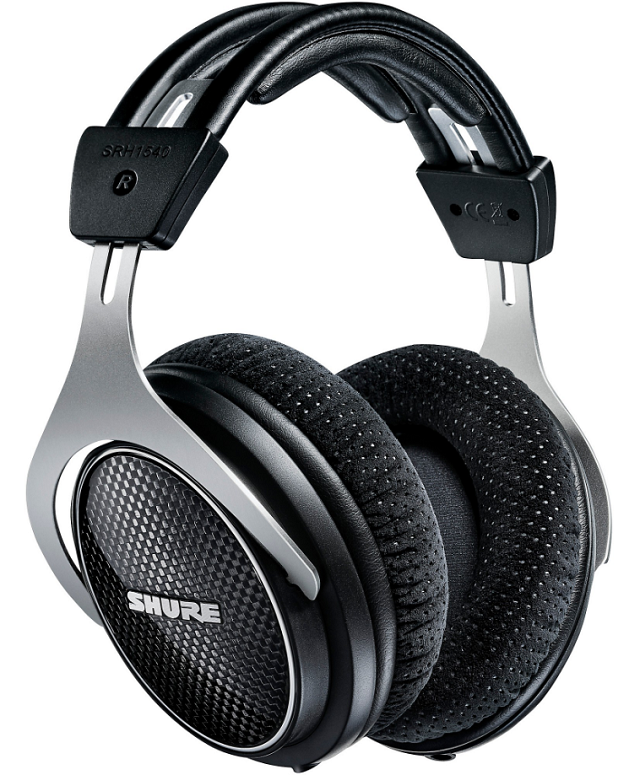
A closed-back that deliberately chases the spatial qualities of open-back headphones, designed by a company that’s been making studio audio equipment since the 1920s. Shure SRH1540 uses 40mm neodymium drivers in an aluminum and carbon fiber construction with Alcantara leather ear pads to create a closed-back headphone that sounds wider, more detailed, and more comfortable than most sealed designs manage.
The SRH1540 is the closed-back I’d point people toward who say they want open-back sound quality but need isolation. It doesn’t fully achieve that goal because physics prevents a sealed cup from matching an open one, but it gets closer than most.
- Spacious Seal
The acoustic design of the SRH1540’s sealed enclosure produces a soundstage that’s wider and more spacious than you’d expect from a closed-back headphone. The internal geometry and driver positioning create a sense of depth and stereo spread that makes spatial mixing decisions more intuitive. For adjusting panning, dialing in reverb levels, and evaluating stereo width, the extra spaciousness helps you work with a sense of the mix’s dimensions rather than hearing everything clustered in the center of your head.
- Alcantara Pads
Alcantara leather ear pads provide a premium feel and excellent long-term comfort that standard synthetic leather and velour can’t match. Alcantara is a microfiber material that breathes better than solid leather, reducing heat buildup during long mixing sessions, while maintaining a consistent seal that doesn’t degrade as quickly as foam-based pads. The comfort is noticeable from the first wear and doesn’t require a break-in period like memory foam alternatives.
- Light Premium
The aluminum and carbon fiber construction keeps the weight manageable while providing a build quality that feels genuinely premium in your hands. The material choice means you get the durability of metal construction without the head fatigue that heavy all-metal headphones cause during long sessions. For producers who mix for hours at a stretch, the weight savings directly affect how fresh your ears and neck feel by the end of the session.
7. AKG K-872
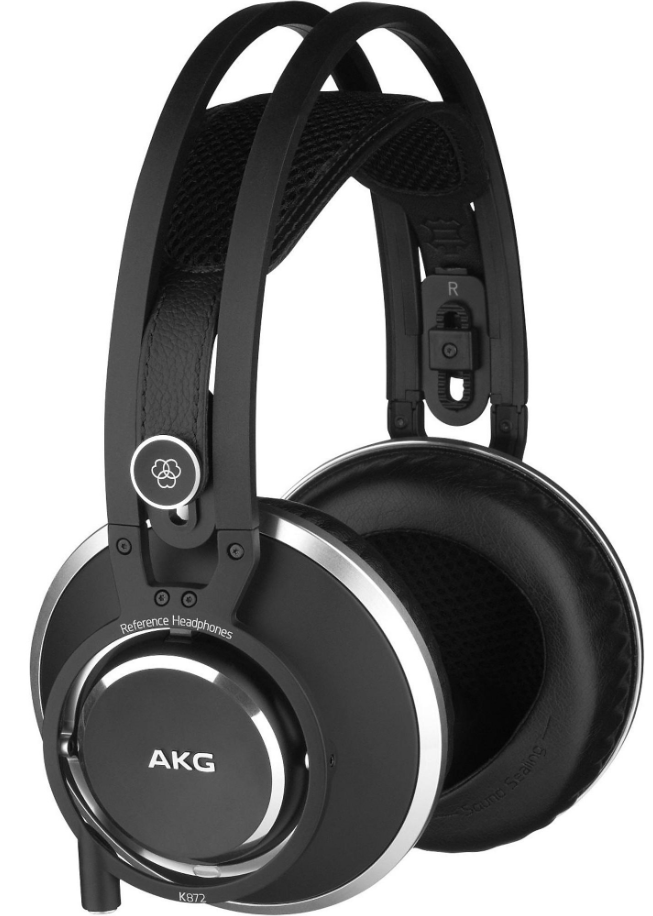
AKG’s flagship closed-back reference headphone, designed to deliver the closest possible approximation to the spatial quality and detail of their open-back K-812 in a sealed format. AKG K-872 features a 53mm driver (one of the largest in any closed-back), a self-adjusting headband, and acoustic engineering specifically aimed at minimizing the sonic compromises that closing the back of a headphone normally introduces.
I find the K-872 interesting because AKG didn’t just take an open-back design and put a lid on it. The sealed enclosure is acoustically engineered to reduce internal reflections and resonances, which is the main reason closed-backs typically sound narrower and less detailed than their open counterparts.
- Massive Driver
The 53mm driver is substantially larger than the 40-45mm units found in most competing closed-backs, moving more air and producing a sense of scale and bass extension that smaller drivers can’t match. The larger diaphragm area also means lower distortion at equivalent volumes because the driver doesn’t need to excurt as far to produce the same sound pressure level. For mixing, the oversized driver contributes to a fuller, more natural-sounding presentation that gets you closer to what you’d hear from speakers.
- Acoustic Design
The sealed enclosure is specifically engineered to minimize internal reflections and resonances that degrade sound quality in most closed-back designs. AKG developed the K-872’s housing to address the narrowing effect and coloration that sealing a headphone cup typically introduces, resulting in a presentation that’s wider and more transparent than competing sealed designs. The engineering effort is audible in the soundstage, which has a depth and breadth that closed-backs rarely achieve.
- Auto Headband
The self-adjusting elastic suspension headband fits different head sizes automatically without manual slider adjustment, distributing weight evenly across the top of your head. The automatic fit means you put the headphones on and they conform correctly immediately, which saves the fiddling time that slider-based adjustments require. The even weight distribution prevents the pressure hotspots on the crown of your head that rigid headbands create during long sessions.
- Reference Tuning
The frequency response targets reference neutrality for professional monitoring applications, avoiding the bass boost and treble smoothing that consumer-oriented closed-backs apply. The AKG engineering team tuned the K-872 to reveal your audio honestly rather than flattering it, meaning your mixing decisions are based on what’s actually in the recording. The neutral tuning requires adaptation if you’re used to consumer headphones, but once you learn the K-872’s character, your mixes translate more reliably to other systems.
- Replaceable Parts
All major components including pads, headband, cable, and driver are replaceable, extending the useful life of the K-872 well beyond headphones with fixed construction. For a headphone at this level, the serviceability means your investment continues to perform at its original quality indefinitely, because worn pads (which affect both comfort and frequency response) can be refreshed rather than tolerated.
8. Audio-Technica ATH-M70X
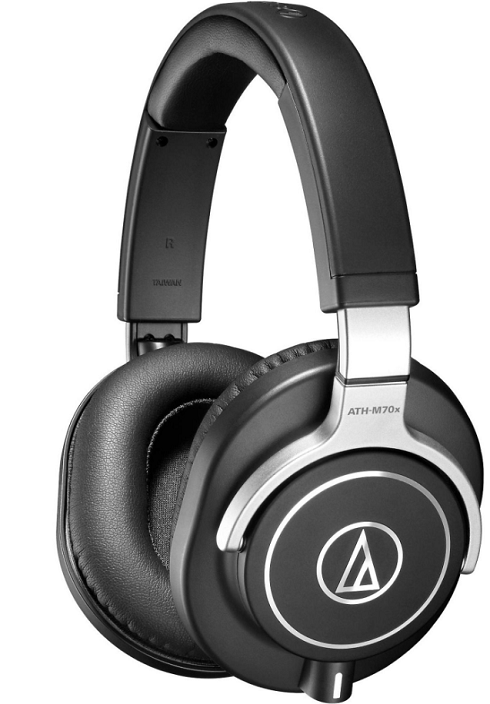
The lesser-known sibling of the massively popular M50X, positioned a step higher in Audio-Technica’s monitoring lineup with a flatter frequency response specifically designed for critical listening. Audio-Technica ATH-M70X uses 45mm large-aperture drivers with a flat, extended frequency response from 5Hz to 40kHz in a professional monitoring headphone aimed at engineers who need accuracy rather than listening pleasure.
I think the M70X deserves more attention than it gets. It lives in the shadow of the M50X’s popularity, but for mixing purposes, the M70X’s flatter tuning and extended response make it the more useful tool. The M50X sounds pleasing. The M70X sounds honest. Those are different qualities, and for mixing, honest wins.
- Extended Flat
The frequency response extends from 5Hz to 40kHz with a tuning that targets professional monitoring accuracy across the entire audible range and beyond. The 5Hz extension means the M70X reproduces sub-bass content that many closed-backs roll off early, giving you a more complete picture of what’s happening at the very bottom of your mix. The extended high-frequency response captures air and ultra-high harmonics that contribute to the sense of detail and openness.
- Monitoring Tuning
The frequency response targets a flatter, more neutral presentation than the M50X, specifically for professional monitoring rather than consumer enjoyment. Where the M50X dips the mids and adds low-end warmth for a pleasing listen, the M70X keeps the midrange more present and honest. The flatter tuning means your mixing decisions about vocal level, guitar tone, and midrange instrument balance are based on more accurate information.
- Swivel Design
The ear cups rotate and swivel for single-ear monitoring, storage, and sharing, providing the same practical flexibility that made the M50X popular in studios. The rotation lets you wear the headphones around your neck with one cup off during recording sessions, fold them for transport, and share playback with a collaborator by flipping a cup outward.
9. Sennheiser HD 620S
Sennheiser’s first closed-back entry into their legendary 600 series, designed with the specific goal of delivering open-back spatial qualities in a sealed design. Sennheiser HD 620S features a custom-tuned 42mm angled driver, stainless steel earcup plates, and acoustic engineering that pursues the wide, natural soundstage the 600 series is known for while maintaining the isolation that a closed-back provides.
The angled driver approach is the key design decision here. By positioning the driver at an angle inside the cup rather than straight-on, Sennheiser mimics the positioning of studio monitors in a room, which is what creates the spatial characteristics that open-back headphones share and closed-backs typically lack.
- Angled Drivers
The custom-tuned 42mm drivers are mounted at an angle inside the ear cup to simulate the positioning of studio monitors relative to your ears, producing a soundstage that’s notably wider and more natural than typical closed-back headphones. The angled positioning means sound arrives at your ear with a spatial relationship closer to what speakers create, rather than the direct, flat-on delivery that most headphones provide. For mixing, the improved spatial presentation helps you evaluate stereo width, panning positions, and depth with more confidence.
- 600 Series DNA
The drivers share engineering lineage with Sennheiser’s acclaimed 600 series open-backs, including the HD 600 and HD 650, meaning the tonal character carries the natural, smooth midrange quality that made those headphones studio standards. The 600 series reputation for natural-sounding vocals and instruments extends to the HD 620S, which reproduces midrange content with the Sennheiser character that thousands of engineers have calibrated their ears to over decades.
- Open Sound
The combination of angled drivers, internal venting design, and stainless steel plates works together to produce a soundstage that reviewers consistently describe as approaching open-back spatial quality. The HD 620S doesn’t fully match the openness of the HD 600 or HD 650, but it narrows the gap significantly compared to conventional closed-back designs. For producers who need closed-back isolation but dislike the typical closed-back sound character, the HD 620S offers the best of both worlds approach that Sennheiser designed it to deliver.
- 150-Ohm Drive
The 150-ohm impedance is lower than the 300-ohm spec of Sennheiser’s open-back 600 series models, making the HD 620S easier to drive from a wider range of sources including portable interfaces and headphone outputs. The reduced impedance means you get full performance from more devices without dedicated amplification, which is practical for producers who mix on different setups.
10. Austrian Audio Hi-X60
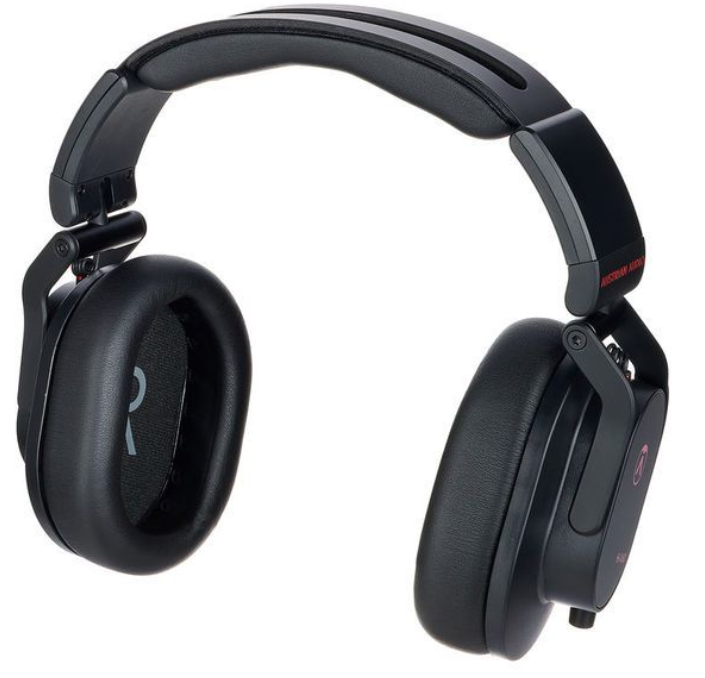
From the engineers who built AKG’s studio headphones for decades before founding their own company in Vienna, bringing that accumulated expertise to a new design unencumbered by corporate constraints. Hi-X60 features a proprietary Hi-X driver with ring magnet technology, slow-retention memory foam pads, a foldable design, and tuning that reflects decades of professional studio monitoring experience.
The Austrian Audio team’s background means the Hi-X60 isn’t a first attempt at studio headphones. It’s the latest design from people who’ve been creating professional monitoring headphones their entire careers, now with the freedom to make every design decision based purely on acoustic merit.
- Ring Magnet
The proprietary Hi-X driver with ring magnet distributes the magnetic field more evenly across the voice coil than conventional magnets, reducing harmonic distortion and producing a cleaner fundamental tone. The lower distortion means the Hi-X60 reproduces your audio with less coloration from the driver itself, which is the goal of any professional monitoring tool. During mixing, the cleaner signal helps you distinguish between problems in your audio and artifacts introduced by the headphone, a distinction that higher-distortion drivers can blur.
- Memory Settle
Slow-retention memory foam ear pads take their time conforming to the shape of your ears and jaw, creating a seal that gets better with use. Unlike fast-recovery foam that bounces back immediately when you shift position, the slow-retention material maintains its shape around your head, which provides a more consistent acoustic seal and eliminates the micro-adjustments that standard pads require. The comfort improvement over regular foam is significant during sessions that stretch past the two-hour mark.
- Fold Portable
The foldable construction with included case collapses the Hi-X60 into a compact package that’s practical for freelance producers and engineers who carry headphones between studios. The folding mechanism reduces the footprint to roughly half the unfolded size, which makes the Hi-X60 fit into bags and drawers that non-folding designs won’t. For a professional monitoring headphone, portability is an undervalued feature that the Hi-X60 takes seriously.
- Neutral Target
The frequency response targets professional neutrality without the bass boost, midrange dip, or treble smoothing that consumer-oriented closed-backs apply. The Austrian Audio team tuned the Hi-X60 for studio work where accuracy matters more than listener enjoyment, meaning the headphone helps you make correct mixing decisions rather than flattering decisions. The neutral tuning extends into the bass, where the Hi-X60 avoids both the inflation that sealed chambers can cause and the roll-off that some closed-backs introduce below 60Hz.
- Dual Cables
Two detachable cables of different lengths (3m and 1.2m) cover both desk-based mixing and portable use without aftermarket purchases. The longer cable gives you freedom to move around a control room, while the shorter cable eliminates the cable management headache when you’re mixing at a desk or traveling with the headphones. Having both cables included means you’re ready for any mixing scenario out of the box.
Extra: Yamaha HPH-MT7
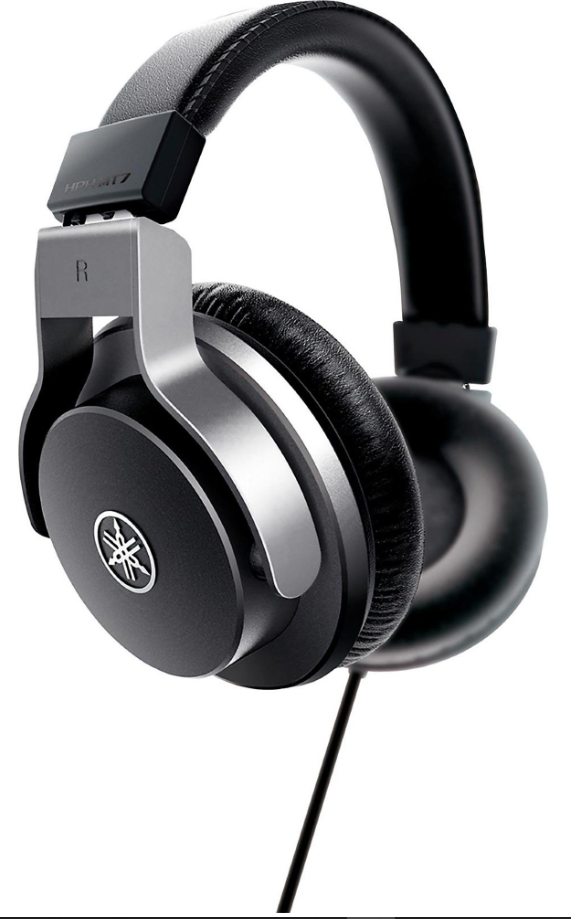
Worth considering for producers who want a studio monitoring headphone from the company that makes some of the most respected studio monitors in the world. Yamaha HPH-MT7 uses CCAW voice coil drivers in a monitoring design that draws on Yamaha’s extensive experience with studio audio reproduction from their NS-10 and HS monitor heritage.
The Yamaha connection to studio monitoring gives the MT7 a certain credibility for mixing use, and the headphone delivers on that promise with a balanced, detailed sound designed for accuracy.
- Yamaha Heritage
The monitoring tuning draws on Yamaha’s decades of studio monitor design, applying the same philosophy of accuracy and translation that made the NS-10 and HS series studio standards. The tonal approach prioritizes showing you what’s in your audio rather than making your audio sound impressive, which is the monitoring philosophy that Yamaha has refined across multiple generations of studio equipment.
- CCAW Drivers
Copper-clad aluminum wire (CCAW) voice coils are lighter than standard copper coils, enabling faster transient response and more detailed reproduction of high-frequency content. The lighter voice coil follows signal changes more quickly, which means drum transients, consonants in vocals, and other fast-changing audio events are reproduced with better definition.
- Monitoring Comfort
Padded headband and ear cups with a moderate clamping force provide comfort for extended monitoring sessions without the excessive pressure that some closed-backs apply. The comfort design acknowledges that studio headphones are worn for hours at a time, and the MT7’s fit is calibrated to stay comfortable without becoming loose enough to affect the acoustic seal.
Get the Free Plugin Starter Kit
The genuinely useful free DAWs and plugins worth installing. No filler. Straight to your inbox.

Hello, I’m Viliam, I started this audio plugin focused blog to keep you updated on the latest trends, news and everything plugin related. I’ll put the most emphasis on the topics covering best VST, AU and AAX plugins. If you find some great plugin suggestions for us to include on our site, feel free to let me know, so I can take a look!