
Static sounds only get you so far. At some point in any production, you need movement, rhythm, and evolving patterns that bring a composition to life without requiring you to manually program every note. That’s where sequencer and arpeggiator based Kontakt libraries come in.
These instruments take a single note or chord and transform it into rhythmic motion, evolving textures, polyrhythmic patterns, and pulsing sequences that would take hours to create from scratch in a MIDI editor.
The distinction between sequencers and arpeggiators matters here. A sequencer typically cycles through a programmed series of steps that can modulate pitch, volume, effects, and other parameters independently, creating patterns that evolve over time.
An arpeggiator takes the notes you hold and plays them back in a pattern, adding rhythm and motion to your chords and melodies. Many of the libraries on this list blur the line between both, combining sequencing and arpeggiation with synthesis, granular processing, and deep sound design.
Whether you’re scoring film, producing electronic music, or looking for rhythmic inspiration, these instruments deliver motion and complexity from a single key press.
I’ve selected seven libraries that represent the best options for sequencing and arpeggiation within the Kontakt ecosystem, covering everything from polyphonic cinematic sequencers to hybrid synth arpeggiators.
1. Native Instruments Circular
Released in 2025 as the latest addition to NI’s cinematic instrument line (following Straylight, Pharlight, and Ashlight), this polyphonic sequencer transforms single notes and chord progressions into evolving, multi layered rhythmic soundscapes.
Circular was designed by Frank Elting with sound design contributions from Samuel Estes (known for his work with Hans Zimmer) and The Solos, and it shows in the quality and depth of the source material.
What immediately impressed me about NI Circular is how quickly you can go from a single sustained chord to a complex, motion rich sequence.
The instrument runs four independent layers, each with its own sequencer, sound source, effects chain, and modulation. The layers run independently, which means you can create polyrhythmic patterns where each layer follows its own timing and step count.
The 168 sound sources span felted pianos, prepared guitars, bowed metal, hybrid synths, and processed vocals, giving you an enormous tonal palette before you even start adjusting parameters.
- Four Layers
Each of the four independent sound layers has its own sequencer, effects, and modulation chain that runs independently from the other layers.
You can assign different sound sources, step counts, and timing to each layer, which lets you build complex polyrhythmic textures from a single chord input. The independence of the layers is what creates the organic, evolving quality that makes Circular’s output feel alive rather than mechanical.
- Per Step Control
The sequencer provides per step modulation over virtually every parameter, including the sound source itself. You can change the sample, pitch, filter, amplitude, and effects settings on every individual step, which means each step in your sequence can sound fundamentally different from the last. This level of granularity goes well beyond traditional step sequencers.
- Sample Import
You can drop your own audio samples into Circular and apply the full sequencing and processing engine to your own material. The import supports 128 user slots for custom samples, which means you can build entirely personal sequences using field recordings, vocal snippets, or any audio you want to transform into rhythmic patterns.
- Polyphonic Aftertouch
Every preset is designed with polyphonic aftertouch in mind, allowing you to expressively modulate individual notes within a chord using controllers like the NI Kontrol S Series keyboards. The aftertouch integration adds a performative, tactile dimension to the sequences that you don’t get from static MIDI input.
2. Sample Logic Arpology X
If you’re looking for the most feature dense arpeggiator available in the Kontakt ecosystem, this is where I’d point you. Sample Logic Arpology X is a massive instrument built around a multi core sound engine with an arpeggiator system so deep that it functions as a complete composition tool rather than just a pattern generator.
The library ships with thousands of presets organized across categories that cover everything from cinematic pulses and electronic leads to orchestral patterns and ambient textures.
The scope of Arpology X can feel overwhelming at first. The interface is dense with parameters, and the sound engine layers multiple cores that can each run their own arpeggiator patterns simultaneously. But once you understand the architecture, the creative possibilities open up significantly.
I found the phrase builder and step animator particularly powerful for creating patterns that evolve over time rather than simply looping.
The sound sources combine organic acoustic samples with synthesized and processed material, giving you a hybrid tonal character that sits well in both electronic and cinematic productions.
- Multi Core Engine
The sound engine runs multiple cores simultaneously, each with its own sound source, arpeggiator, and processing chain. You can layer and blend between cores to create textures that combine different tonal characters, from organic acoustic timbres to aggressive synthetic sounds. The multi core approach provides a density and complexity that single layer arpeggiators can’t achieve.
- Step Animator
A step animation system lets you program parameter changes across the arpeggiator’s step sequence, creating patterns where volume, pan, filter, and effects evolve over time rather than remaining static.
The step animator turns simple arpeggiated patterns into evolving phrases with movement and variation built into the pattern itself.
- Phrase Builder
The phrase building tools let you construct complex musical phrases that go beyond simple up/down/random arpeggiator patterns. You can define specific melodic shapes, rhythmic accents, and velocity curves that give your arpeggiated patterns a composed, intentional quality rather than the mechanical feel of basic arpeggiators.
- Preset Library
Thousands of categorized presets cover cinematic, electronic, ambient, orchestral, and experimental styles. The preset volume means you can find starting points for virtually any production context, and the categorization makes it practical to browse by mood, style, or instrument type.
- Effects Engine
A comprehensive effects processing section with tempo synced delays, filters, reverbs, and modulation effects lets you shape the arpeggiator’s output within the instrument.
The effects are integrated into the arpeggiator workflow, meaning they respond to the pattern’s timing and dynamics rather than processing the output as a static signal.
- Sound Sources
The sample content spans acoustic recordings, orchestral textures, synthesized elements, and processed hybrid sounds. The variety of source material means the arpeggiator patterns take on different characters depending on which core sounds you’re driving, from delicate plucked textures to massive cinematic pulses.
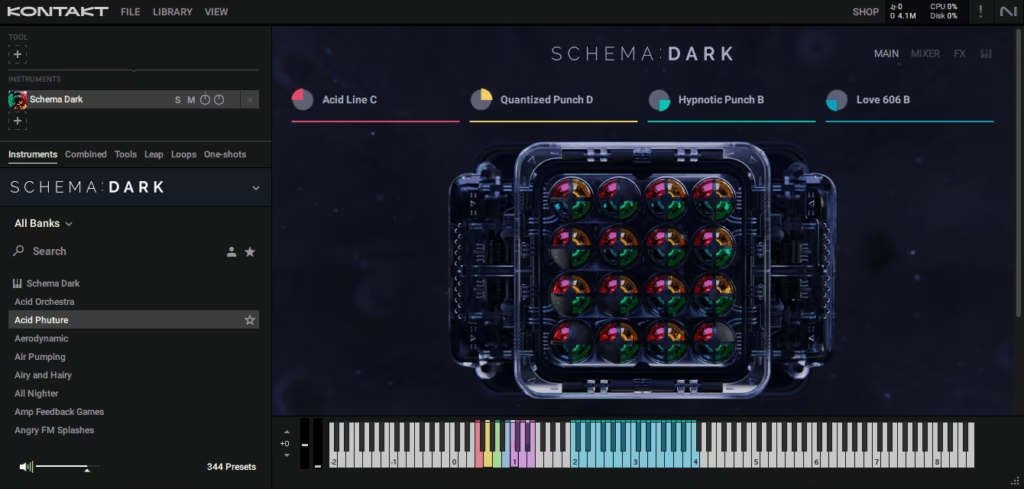
3. Native Instruments Schema Dark

Focused specifically on dark, cinematic textures and pulses, this sequencer library delivers the kind of ominous, driving patterns that score thrillers, horror, and sci fi productions.
NI Schema Dark is part of the broader Schema series and provides tempo synced rhythmic patterns built from processed acoustic and synthetic sources designed to create tension and movement.
The sonic palette of Schema is deliberately narrow, and that’s its strength. Everything in the library is oriented toward creating dark, tense, atmospheric motion. The sequenced patterns range from subtle, barely there pulses to aggressive, driving rhythms that push a scene forward.
For composers working in film, television, or game scoring where dark mood setting is a regular requirement, having a dedicated instrument that delivers exactly this character without extensive tweaking is genuinely time saving.
- Dark Focus
The entire library is sonically oriented toward dark, tense, and ominous textures, providing a focused palette that delivers cinematic tension without requiring you to dial in the mood through extensive processing. Every preset and sound source is designed for suspense, horror, and dramatic scoring applications.
- Rhythmic Patterns
Tempo synced sequenced patterns provide driving rhythmic motion that locks to your project tempo. The patterns range from subtle atmospheric pulses to aggressive, forward driving rhythms that create momentum in a score.
Nerd-Approved Picks
What I would buy to actually get value from a Kontakt library collection
Hand-picked from the Pluginerds shop to match what you are reading.


- Cinematic Sources
The sound sources are specifically designed for cinematic applications, combining processed acoustic recordings with synthetic elements to create textures that sit naturally in film and television mixes.
4. SonuScore Elysion 2
From the team behind The Orchestra series, this hybrid synth instrument combines a powerful ensemble engine with per module arpeggiators to create layered, evolving cinematic textures. SonuScore Elysion 2 (published by Best Service) lets you stack up to five instrument modules simultaneously, each with its own independent arpeggiator or envelope control, producing complex rhythmic patterns from a single chord.
The ensemble engine architecture is what makes Elysion 2 special. Rather than running one arpeggiator across a single sound, you’re running up to five independent arpeggiators across five different sound sources, each with its own timing, pattern, and character.
The modwheel morphs between two layers within each arpeggiator, which means you can control up to 10 interleaved rhythms within a single patch.
The sound content spans 207 hybrid organic instruments across 12,500 samples, with the second installment adding more aggressive and driving material alongside the original’s ambient textures. The 400 animated themes provide instant starting points that you can customize or use as is.
- Ensemble Engine
The reworked Ensemble Engine 2.0 lets you stack and play up to five instrument modules simultaneously, each fully independent with its own arpeggiator, envelope, and sound source. The five slot architecture creates layered complexity that single instrument arpeggiators can’t match, producing rich polyphonic textures from simple input.
- Dual Layer Morph
Each module supports two arpeggiator or envelope layers with modwheel morphing between them, letting you control up to 10 interleaved rhythms within one patch. The morphing creates dynamic transitions between rhythmic states that evolve expressively with your modwheel position.
- MIDI Drag & Drop
You can drag your arpeggiator patterns directly into your DAW as MIDI data, then assign those patterns to any other instrument in your template. The MIDI export bridges the gap between Elysion 2’s internal engine and your broader production workflow, making the patterns transferable.
- Stutter Engine
An additional stutter feature enriches the envelope options by creating complex rhythmic variations from sustained instruments. The stutter adds rhythmic fragmentation that turns sustained pads into pulsing, animated textures without needing the arpeggiator.
5. Native Instruments Sequis
Bridging the gap between acoustic instrument sampling and electronic sequencing, this library takes recordings of real acoustic instruments and feeds them through a sequencing engine that creates rhythmic patterns with an organic, natural character.
NI Sequis is built around the concept of giving acoustic sounds electronic motion, producing sequences that feel more human and textured than purely synthesized patterns.
I appreciate the philosophical approach behind Sequis. Traditional sequencers and arpeggiators tend to produce patterns that sound electronic regardless of the source material.
Sequis maintains the tonal character and imperfections of its acoustic sources while adding rhythmic motion, which gives you sequences that feel grounded in real instrument textures rather than synthetic approximations.
The result is particularly useful for productions where you want rhythmic movement without the obviously electronic character that synth based sequencers produce.
- Acoustic Sources
The sample content is built from real acoustic instrument recordings that retain their natural tonal character and imperfections through the sequencing process. The acoustic foundation gives your sequences a warmth and authenticity that synthetic sound sources don’t provide.
- Organic Motion
The sequencing engine is designed to add rhythmic movement while preserving acoustic naturalness, creating patterns that feel human rather than mechanical. The organic quality distinguishes Sequis from purely electronic sequencers where the synthetic character is always present.
- Textural Depth
The combination of acoustic sources and electronic sequencing creates layered textures that blend natural and processed elements. The textural quality is useful for scoring, ambient production, and any context where you want rhythmic interest without an overtly electronic aesthetic.
6. Artistry Audio Scorpio
Described by reviewers as containing one of the best arpeggiators ever built into a Kontakt instrument, this motion synth combines a dual layer sound engine with an exceptionally deep arpeggiator, granular synthesis controls, and an XY macro pad for real time sound manipulation.
Artistry Audio’s Scorpio ships with 50 multi sampled instruments across 200 master presets, and the depth of control available under the surface is remarkable for a Kontakt based instrument.
What I find most compelling about Scorpio is the balance between accessibility and depth. The 200 presets and extensive randomization system let you generate inspiring results immediately.
Click the dice button and it transforms the sound, the arpeggiator pattern, and the effects in musically useful ways. But if you want to go deeper, the arpeggiator gives you per step control over velocity, octave, gate, probability, stutter, and transpose across independently configurable lanes that can run different step lengths for polyrhythmic results.
The granular synthesis engine on each of the two cores adds another dimension of sound design that most arpeggiator focused instruments don’t include.
- Advanced Arpeggiator
The arpeggiator provides per step control over velocity, octave, gate, probability, stutter, and transpose, with each control running on its own lane that can be set to independent step lengths between 1 and 16 steps.
The independence of each parameter lane creates interweaving polyrhythmic motifs that go far beyond standard arpeggiator patterns. Individual lanes and the entire arp can be randomized from scale aware menus.
- XY Macro Pad
A performance oriented XY pad controls assigned effects parameters in real time, creating an expressive form of motion control that you can record and play back. The pad lets you morph between effect states smoothly, turning static arpeggiator patterns into evolving, performative textures with hand movement.
- Granular Engine
Each of the two sound cores offers a granular synthesis mode alongside the standard playback engine, letting you process the source samples as granular textures. The granular option adds a dimension of sound design that transforms the arpeggiator’s output from recognizable sample playback into abstract, textural material.
- Randomization System
Multi level randomization lets you randomize everything from the master sound sources down to individual arpeggiator parameters and macro effects. The randomization is designed to produce musically useful results rather than random noise, and you can choose which elements to randomize while keeping others locked.
- Modulation Matrix
A simple, intuitive mod matrix connects the built in LFO and step sequencer to virtually any parameter in the engine. The matrix provides the connective tissue that turns static sound design into animated, evolving motion synced to your project tempo.
7. Native Instruments Arkhis
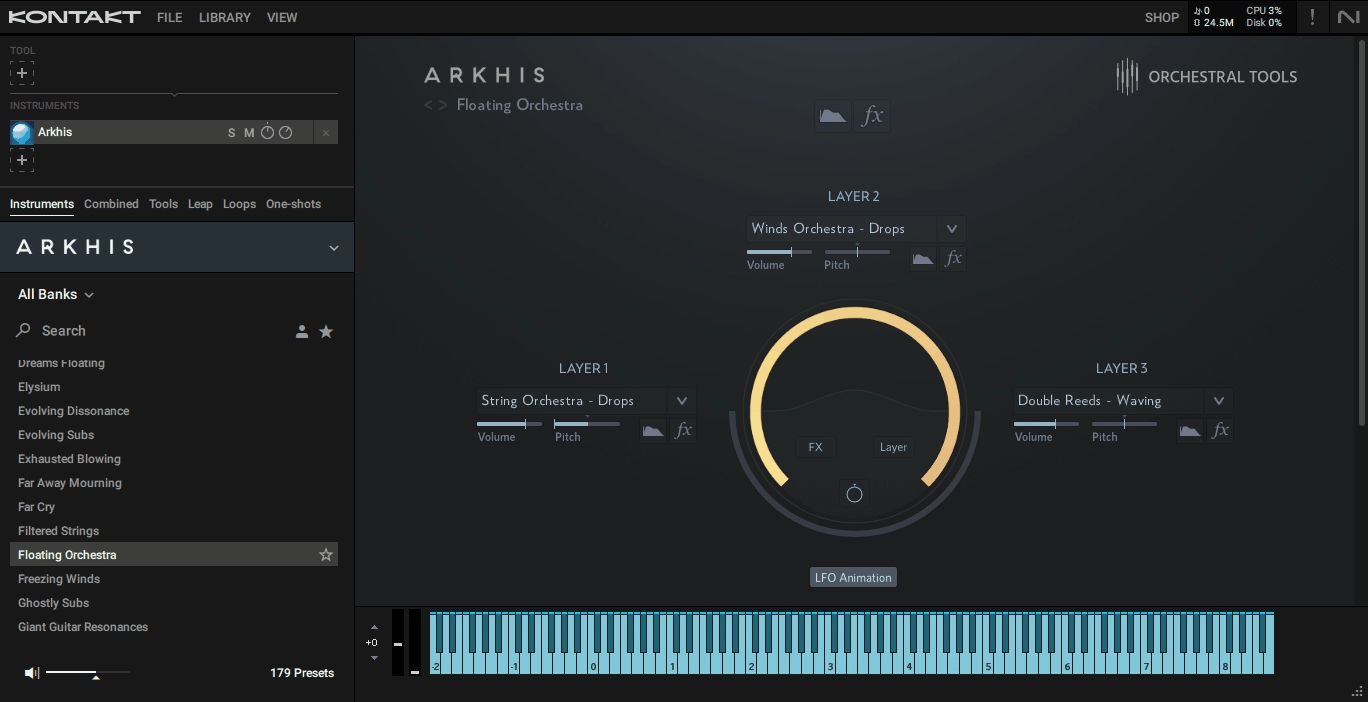
Closing the list with a library that takes a more textural, atmospheric approach to sequencing than the other entries here. NI Arkhis combines orchestral and synthetic sources through a dual layer engine with sequencing capabilities oriented toward creating evolving cinematic backgrounds, tension beds, and atmospheric movement rather than overt rhythmic patterns.
The character of Arkhis sits in a different space from the more pattern focused instruments on this list. Where Circular and Sequis create clearly rhythmic sequences, Arkhis produces slowly evolving textures and subtle pulsing motion that works underneath a composition rather than driving it.
The sequencing is more about tonal evolution and gradual transformation than beat based patterns. For composers who need atmospheric movement that supports a scene without demanding attention, and who work in the cinematic, ambient, and documentary scoring space, Arkhis fills a role that more aggressive sequencers don’t cover.
- Atmospheric Focus
The instrument is oriented toward evolving textural backgrounds and tension beds rather than overt rhythmic patterns. The atmospheric focus makes Arkhis a specialist tool for underscore, ambient beds, and scene setting content where subtle motion is more appropriate than driving rhythmic sequences.
- Dual Layer
A two layer engine blends orchestral and synthetic sources with crossfading control, letting you create hybrid textures that combine organic tonal character with electronic processing. The layer blending provides tonal flexibility within a single instrument instance.
- Cinematic Design
The sound content and sequencing presets are specifically designed for film, television, and documentary scoring. The cinematic orientation means the instrument produces results that sit naturally in a scoring context without requiring extensive processing to fit the aesthetic requirements of professional media production.
Nerd-Approved Picks
The honest reason most Kontakt libraries go unused — and what fixes it
Hand-picked from the Pluginerds shop to match what you are reading.



Hello, I’m Viliam, I started this audio plugin focused blog to keep you updated on the latest trends, news and everything plugin related. I’ll put the most emphasis on the topics covering best VST, AU and AAX plugins. If you find some great plugin suggestions for us to include on our site, feel free to let me know, so I can take a look!