
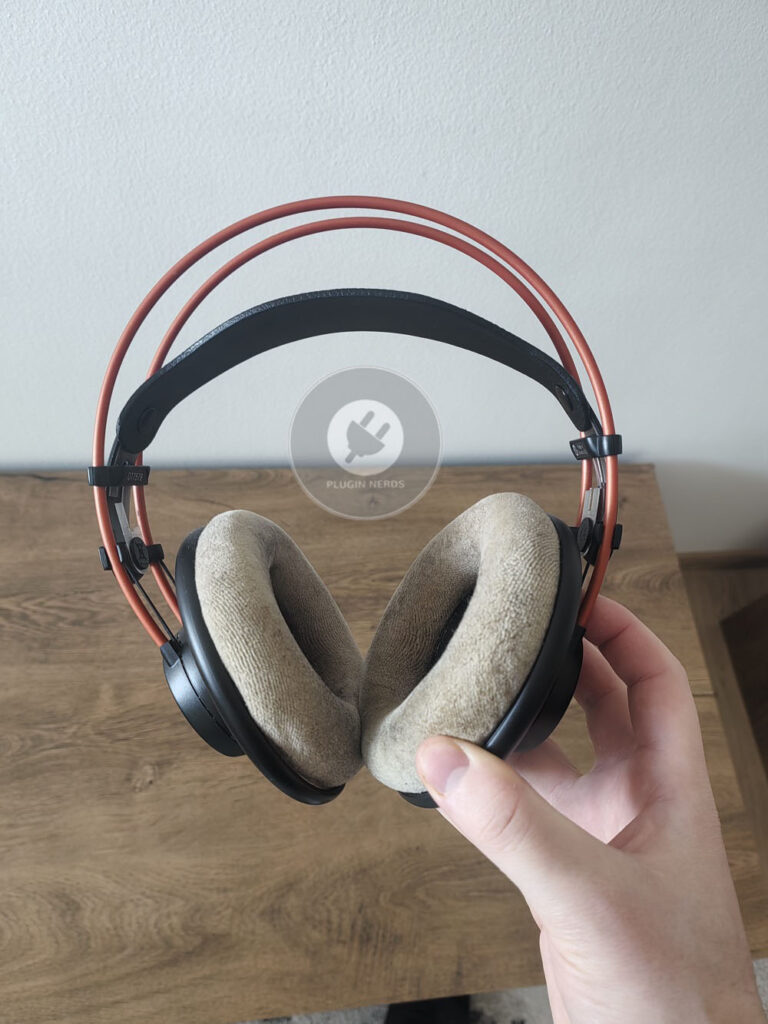
If you’ve looked into open-back headphones for mixing or critical listening, you’ve likely seen the AKG K712 Pro come up often in forums and recommendation lists.
I’ve used these headphones for about two years for mixing, mastering, and general music production. I want to share what they’re really like in the studio and whether they deserve their reputation in the mid-tier open-back range.
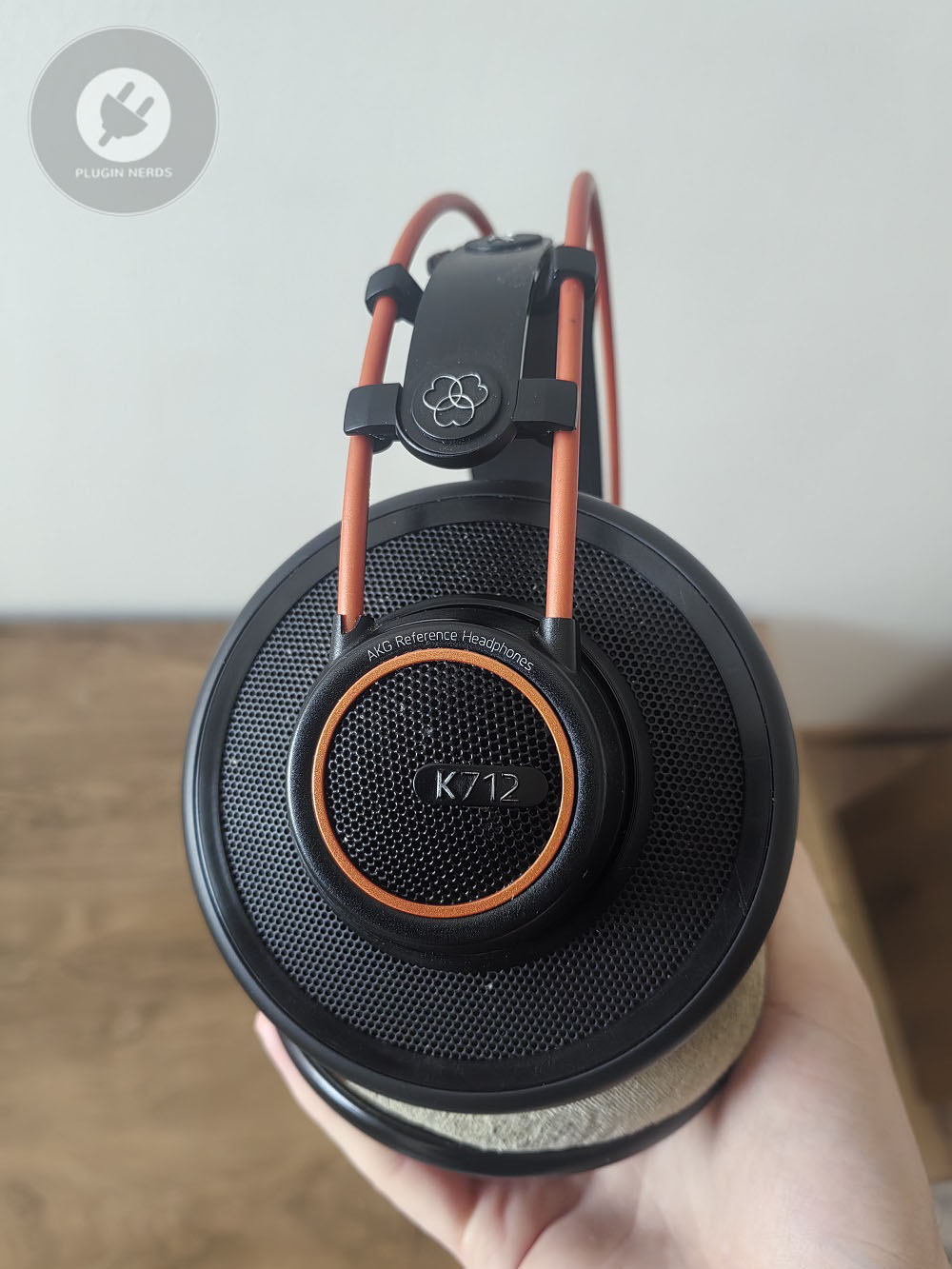
The K712 Pro is AKG’s top open-back studio headphone, sitting above the K702 and K701 with a few specific upgrades.
In my view, these headphones are AKG’s way of fixing some issues from earlier models while keeping their signature sound. Knowing this helps you decide if their tuning fits your preferences and workflow.
Is AKG K712 Pro Worth it in 2026?
In 2026, the K712 Pro is worth considering mainly if you find them under $250 or specifically need their comfort for marathon sessions, but at full retail, newer options like the Sennheiser HD560S or Audio-Technica ATH-R70x offer better mixing accuracy with less tonal compensation required. They’re still solid headphones, just no longer the obvious choice they once were given how the market has evolved with better-tuned alternatives at similar levels.
The sound signature
It has a spacious, detailed sound with noticeable upper mids. This can be a plus or a minus depending on what you like and what you’re used to. I find the overall sound is bright but not harsh or tiring, even during long sessions. Still, the upper mids stand out and affect how you hear some instruments and vocals.
The K712 Pro often gets criticized for its bass, and I think that’s fair if you’re used to headphones with more low end or studio monitors with strong bass.
The bass is present and fairly clear, but it’s lighter than neutral and lacks the punch some mixing engineers want for judging low-end. I notice this most with electronic music or hip-hop, where sub-bass and kicks matter. I often have to mentally adjust or check with other monitors to make sure the bass is right in the mix.
On the plus side, the bass isn’t bloated or muddy, and you can still hear good detail and texture when bass instruments are in the mix. It’s just quieter than many expect, so you need to pay extra attention to bass guitars, kicks, and sub-bass to avoid missing them in your mixes.
This makes the it less ideal as your only mixing reference unless you really know how your mixes translate and can adjust for the lighter bass.
The midrange is where these headphones really stand out. It’s detailed and forward, making vocals and lead instruments clear and easy to pick out. This is great for critical listening and breaking down complex mixes. The midrange lets you hear subtle details in vocals, guitar tones, and other instruments, which I find helpful when editing or adjusting EQ.
However, there’s a peak in the upper mids around 2-3kHz that can make some sounds feel a bit too strong or forward. I notice this most with female vocals, snare drums, and acoustic guitars that have energy in that range.
It’s not harsh or sibilant like some badly tuned headphones, but these frequencies are more noticeable than on neutral monitors. You’ll need to keep this in mind when mixing.
Honestly, this bothered me at first, but I’ve gotten used to it and learned how mixes from the K712 Pro sound on other systems.
The treble is clear and detailed without being too bright or harsh. I find the highs pleasant even during long sessions, despite the open-back design not blocking outside noise. The treble adds air and space, giving these headphones their wide soundstage. Cymbals, hi-hats, and other high sounds have good definition and sparkle without causing fatigue.
Some people think the treble is a bit less energetic than the upper mids, which makes the headphones seem slightly less bright. I actually think this helps avoid fatigue during long listening sessions.
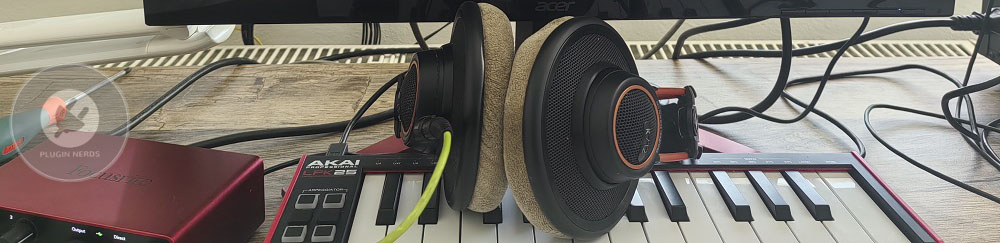
The soundstage is one of the best features of these headphones. The open-back design gives you a wide, spacious feel that’s more like listening to speakers in a room than having sound right next to your ears.
I find this especially helpful for judging stereo imaging, reverb, and spatial effects, where you need to hear where things sit in the mix. The width is impressive for this price, though the depth and height aren’t as strong. Overall, it still sounds like headphones, not quite like speakers as some reviews suggest.
Build, comfort, and long-session practicality
The build quality is a mixed bag, reflecting cost-cutting in some areas while maintaining quality where it matters most. The headband uses genuine leather, and its suspension system is well-designed, but the plastic construction throughout feels less premium than you might expect given its performance and positioning. I’ve noticed that the plastic doesn’t feel cheap or flimsy, but it’s definitely not the robust, tank-like construction you get from some competitors, and I treat these headphones with care rather than throwing them around carelessly.
Comfort is genuinely excellent for long sessions, and I think this is one area where headphones really excels compared to many alternatives. The large velour earpads are soft and breathable, the self-adjusting headband distributes weight evenly without creating pressure points, and the overall clamping force is light enough that you don’t feel squeezed but still sufficient to keep the headphones securely in place.
From my experience, I can wear these for 5-6 hour sessions without discomfort or the need to take breaks for relief, which matters significantly when you’re deep into a mixing session and don’t want physical discomfort breaking your concentration.
They weigh about 235 grams, and the balance is good, with the weight spread evenly instead of pulling forward or back.
I’ve found that the light clamping force, combined with the self-adjusting headband, means the headphones stay in place during normal head movements but don’t grip tightly enough to cause soreness, which represents a good compromise between security and comfort for studio use, where you’re mostly stationary.
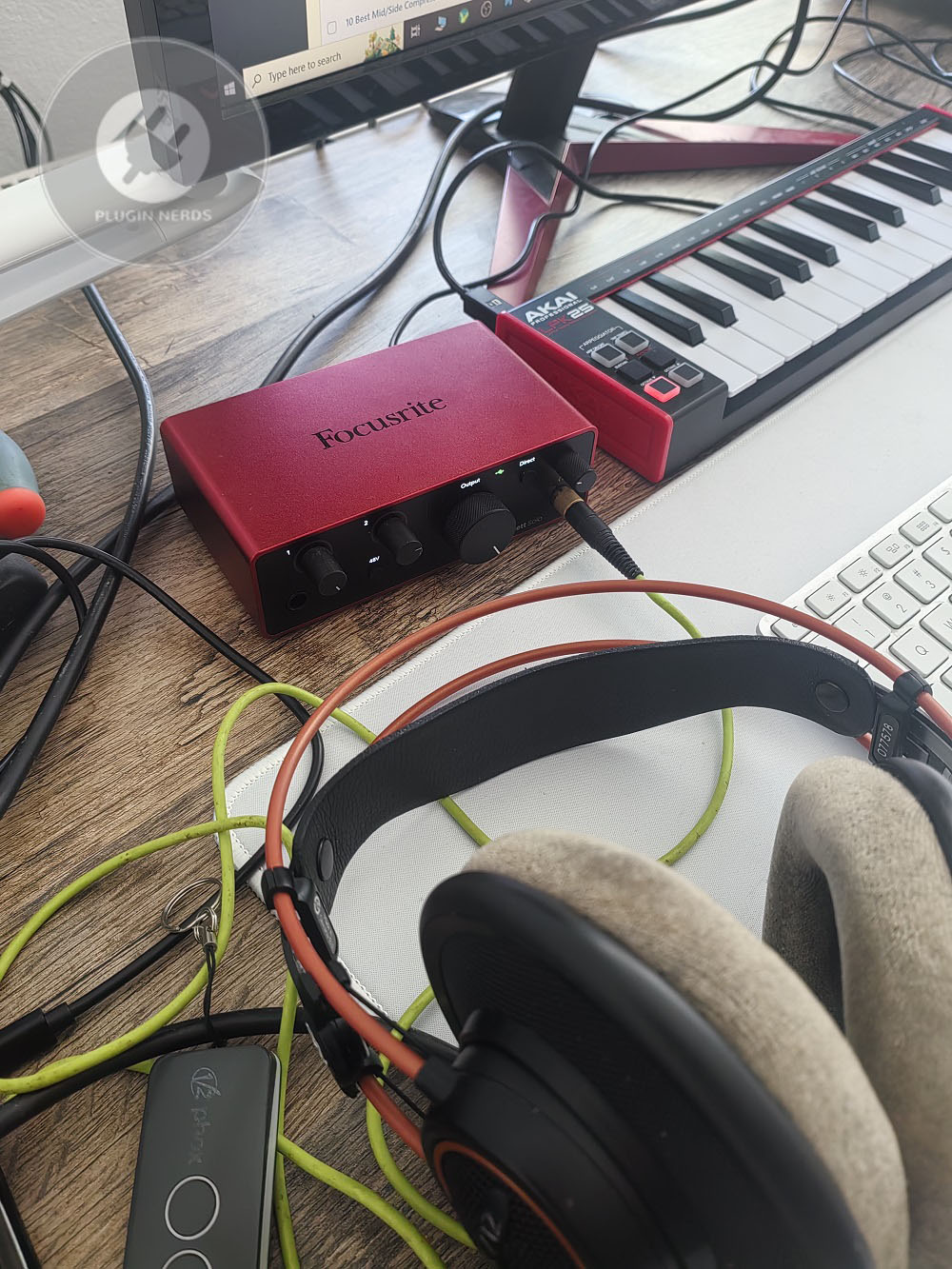
The cable situation is both a pro and a con depending on your perspective, and the it comes with a detachable 3-meter cable with a mini-XLR connector on the headphone side.
I appreciate that the cable is detachable and long enough for studio use without needing an extension, but the proprietary mini-XLR connector means you can’t just use any standard cable if you want a replacement or a different length.
The cable itself feels decent but not exceptional, with adequate shielding and a standard 3.5mm jack with an included 6.35mm adapter for connecting to professional audio interfaces and headphone amps.
The impedance is 62 ohms, and the sensitivity is reasonably high, which means these headphones are easier to drive than some studio headphones but still benefit from a proper headphone amplifier rather than being plugged directly into a laptop or phone.
I’ve noticed that a good audio interface or headphone amp improves dynamics and bass compared to weak sources. You don’t need a high-end amp, just one that’s clean and provides enough power to work well for these headphones.
How they perform
For mixing, the K712 Pro gives you good detail and resolution for making decisions about EQ, compression, and effects. However, you’ll need to adapt to the tonal balance and check your mixes on other systems.
I find these headphones especially good for detailed tasks like editing, vocal tuning, and spotting problems in recordings. The clear midrange helps you hear things like vocal consonants, guitar pick attack, and other small details that matter for mixing.
But because of the lighter bass and strong upper mids, you have to be careful judging tonal balance. I’ve learned that mixes sounding balanced on the K712 Pro often need more bass when I check them elsewhere.
This doesn’t make them bad for mixing, but they work better as part of a monitoring setup instead of your only reference. It’s important to get used to how your mixes translate if you plan to use these a lot.
For mastering, I think the it isn’t the best choice because its sound coloring becomes a bigger issue when you need the most accurate frequency response.
The detail and soundstage help with checking stereo image and spotting issues, but I wouldn’t rely on these for final EQ decisions in mastering because of their frequency quirks. I use them for detail checks but always double-check on more neutral headphones before making final choices.
The K712 Pro really shines for critical listening and just enjoying music. The wide soundstage and good detail make them fun for casual listening, not just analysis.
I find they’re great for acoustic music, jazz, classical, and anything with strong vocals, thanks to the clear midrange and wide soundstage. Electronic and bass-heavy genres sound a bit light, but you can still enjoy them if you don’t need deep bass.
Value you get
The K712 Pro typically sells in the $250-350 range, depending on sales and region, positioning it in the competitive mid-tier open-back category, where numerous alternatives exist.
I think the value proposition is decent if the sound signature suits your preferences and you prioritize comfort and soundstage, but it’s not an obvious winner that outclasses everything else at this level because the tonal balance will be polarizing for some users.
Compared to the Sennheiser HD600 or HD650, which are common alternatives, these gives up some midrange neutrality and natural sound for a wider soundstage and lighter weight.
In my view, the Sennheisers are more accurate for mixing, while the AKG is more comfortable and has a bigger soundstage. It really depends on whether you want accuracy or spaciousness in your monitoring.
Next, compared to the Beyerdynamic DT990 Pro, the K712 Pro has less bass and smoother treble, without the sharp highs that some people dislike in the Beyerdynamic.
I’d pick the AKG over the DT990 for long listening sessions because the treble isn’t fatiguing. The Beyerdynamic has more bass, which some mixing engineers like for low-end work.
For pure mixing accuracy, if you want the flattest sound, the Austrian Audio Hi-X65 or the cheaper Audio-Technica ATH-R70x might be better. But they don’t match the K712 Pro’s comfort or wide soundstage. It comes down to what you’re willing to compromise, since no headphone at this level is perfect in every way.
Last words
These headphones offers great comfort, a wide soundstage, and good detail, making it a solid choice for long sessions and critical listening. The sound favors upper mids and lighter bass, which some people will love and others might not, depending on what you need.
If you care most about comfort, soundstage, and midrange detail rather than a perfectly flat sound, it’s a strong option for many production tasks. But if you need accurate bass for mixing bass-heavy music or want the most neutral sound, you’ll probably prefer other headphones with a flatter response.
I still use the K712 Pro often because they’re comfortable for long sessions and detailed enough for editing and critical listening, where their strengths really help.
I’ve learned to adjust for their sound and check my mixes on other monitors, so they’re useful tools rather than problems.
These are good headphones with clear strengths and weaknesses. Knowing both before you buy helps avoid disappointment if they don’t fit your needs. For the right person and use, they’re excellent, but they aren’t a one-size-fits-all solution.

Hello, I’m Viliam, I started this audio plugin focused blog to keep you updated on the latest trends, news and everything plugin related. I’ll put the most emphasis on the topics covering best VST, AU and AAX plugins. If you find some great plugin suggestions for us to include on our site, feel free to let me know, so I can take a look!