
Orchestral libraries have evolved beyond just capturing realistic instrument samples. The best orchestral Kontakt libraries balance playability, workflow efficiency, and sonic character in ways that matter for composers working on real projects.
Whether you need ensemble strings that respond naturally to velocity, hybrid brass textures for trailer cues, or layered soundscapes that evolve with your picture, the library you choose directly impacts how quickly you can move from idea to finished cue.
Most bedroom producers don’t need exhaustive articulation lists or solo virtuoso detail. What matters more is how well patches integrate into your mix, how responsive they feel under your fingers, and whether you can sketch ideas quickly without wrestling with complex scripting.
Some libraries prioritize immediate impact and motion, perfect for action scoring and trailers. Others focus on expressive control and dynamic layering for underscore and ambient work.
I’ve tested libraries ranging fromaggressive hybrid orchestras to performance-driven ensemblesand specialized cinematic tools. Each one approaches orchestral sampling differently. Some bundle tempo-synced motifs and pre-designed harmonic clusters for fast workflow.
Others provide morphable layers and real-time control for evolving textures. The variance is significant, and what works for one scoring style won’t necessarily fit another. This list covers the most practical options for composers in 2026 who need results without massive templates or steep learning curves.
| Library | Best For | Engine / Approach | Key Strength | Pros | Cons |
|---|---|---|---|---|---|
| 1. Heavyocity Symphonic Destruction | Trailer, Hybrid Action | Multi-Engine Layers | High Momentum Impact | 445 sources, granular cycles, braam designer, tempo motifs | Not suited for detailed orchestral realism |
| 2. Symphony Series: String Ensemble | Playable Ensemble Strings | Dynamic Multi-Layer | Natural Legato Flow | Velocity-sensitive layers, cohesive stereo, CPU-efficient | Limited solo articulations |
| 3. Action Woodwinds | Rhythmic Woodwind Motion | Ensemble-Focused Patches | Performance-Driven Energy | Smooth legato, responsive dynamics, quick scoring | Not for solo virtuoso lines |
| 4. NI Lores | Cinematic Atmospheres | Layered Hybrid Patches | Textural Storytelling | Multi-layer depth, evolving textures, pre-composed motifs | Limited orchestral articulations |
| 5. Choir OMNIA | Expressive Choir | Ensemble SATB | Immediate Playability | Pre-balanced patches, advanced legato, dynamic layers | Solo voices limited, ensemble-focused |
| 6. Action Strings 2 | Rhythmic String Cues | Motif-Based Patches | Fast Sketching | Tempo-synced motifs, fluid legato, hybrid layers | Not for soloistic precision |
| 7. Symphony Series: Brass Ensemble | Cinematic Brass | Ensemble SATB | Cohesive Tone | Balanced patches, real-time dynamics, legato transitions | No extreme solo articulation |
| Extra: Arkhis | Layered Textures | Three-Layer Engine | Flexible Morphing | 90 sources, morph control, LFO movement, hybrid sounds | Limited solo realism, learning curve for layering |
1. Heavyocity Symphonic Destruction – Most Versatile
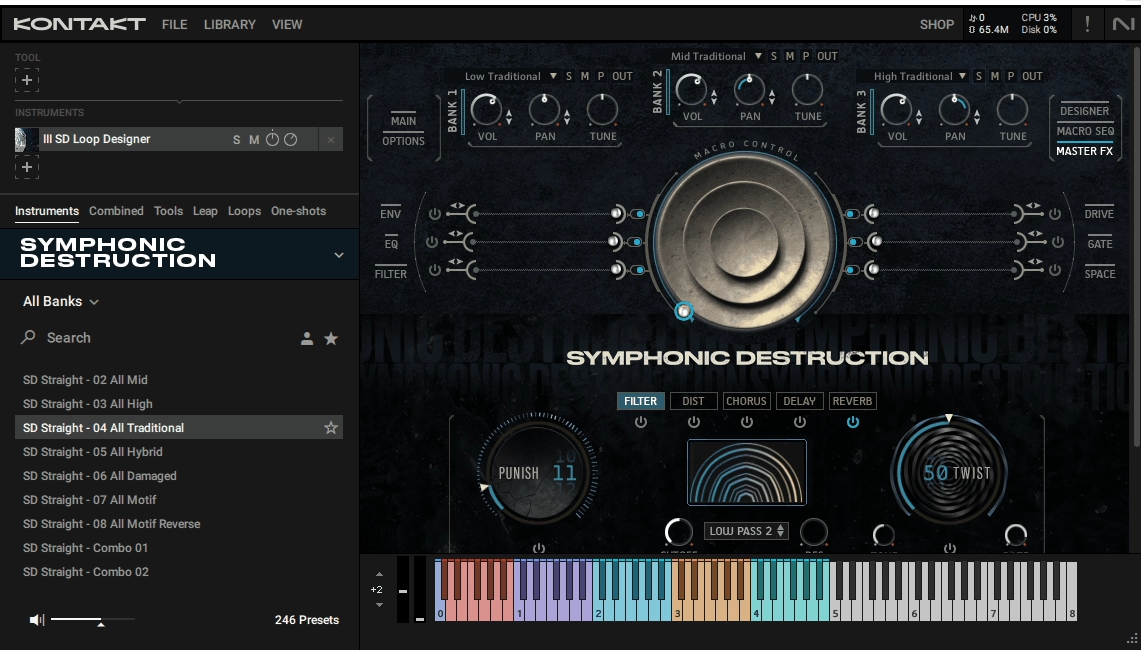
I’ll be honest, this library surprised me when I first loaded it. Symphonic Destruction library isn’t trying to give you realistic orchestral mockups. Instead, Heavyocity deconstructed traditional orchestra recordings and rebuilt them specifically for modern trailer music, action scoring, and aggressive hybrid cues.
You get over 11,800 samples, 445 sound sources, and 210 presets across four unique engines, and I think the approach here is refreshingly different from standard orchestral libraries. What I really like is how the multi-engine structure separates different scoring tasks instead of cramming everything into one interface.
The SD Designer lets you layer traditional orchestral material with heavily processed “damaged” content, synths, and distorted guitars into single patches. The Braam Designer breaks braam sounds into controllable sub, mid, and tail layers, which means you’re sculpting impacts for specific moments instead of dropping in static samples. I would say this works best when you need immediate scale and momentum rather than detailed articulation.
Here is what you get:
- SD Designer with 445 Sources Across 3 Banks
Within this orchestral Kontakt library, you can load three simultaneous layers from eight categories: traditional orchestral, hybrid, damaged (orchestra saturated with analog gear), soundscapes, guitars, braams, and motifs. Each layer gets independent envelope shaping, EQ, filtering, drive, gating, reverb, and delay.
Cycle mode is where things get interesting. It functions as a granular sequencer that cuts audio into grains for stuttering rhythms and glitches. When you need evolving textures that morph over time, this gives you control to build custom hybrid instruments from scratch.
- Braam Designer with Multi-Layer Construction
As mentioned above, you can build braams from up to three layers: sub, mid, and tails. Each layer has separate attack, decay, tonal density, and saturation controls. I like this because you can tailor impacts to specific visual moments instead of hoping a pre-baked sample fits.
The library includes nearly 100 braam sources that have been intentionally destroyed and processed for modern aesthetics.
- Loop Designer with 144 Tempo-Synced Melodic Motifs
These are tempo-locked phrases that imply harmonic direction, not just rhythmic construction loops. I would recommend treating them as starting points when you’re sketching cues quickly while spotting to picture. They include traditional and hybrid content that syncs automatically to your DAW tempo.
- Performer Engine with Nearly 100 Tempo-Synced Pedals
Multiple sound sources loaded into playable patches accessed via keyswitches. The tempo-synced pedals sustain across time, which helps when building tension beds without complex MIDI programming.
I don’t think this library is suited for detailed orchestral mockups or expressive melodic writing. The aggressive processing can dominate your mix if you’re not careful with layering.
I’ve found that building a shortlist of go-to presets saves time because navigating over 230 snapshots during sessions slows you down. I would say it works best layered under cleaner orchestral libraries rather than as a standalone solution!
Check our detailed review of Symphonic Destruction here.
2. Symphony Series: String Ensemble by NI & AudioBro – Best Orchestral Strings
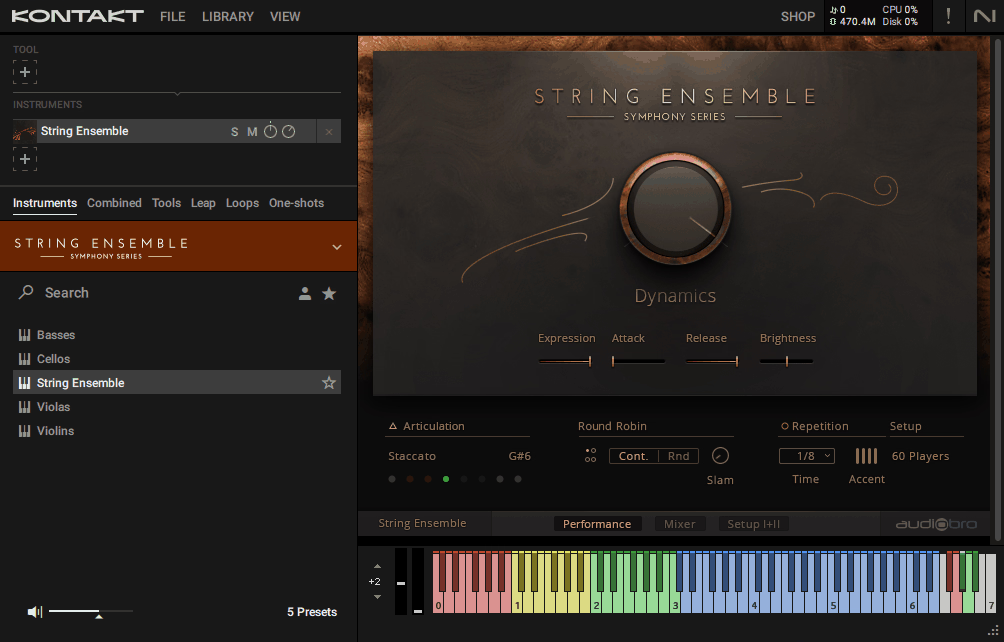
Symphony Series String Ensemble focuses on ensemble sections rather than trying to cover every possible orchestral configuration.
This collaboration between Native Instruments and Audiobro delivers multiple dynamic layers per articulation that transition smoothly from soft to loud without noticeable jumps. I would say this makes it particularly practical for composers working alone or sketching cues quickly without access to massive orchestral templates.
The library runs in Kontakt and emphasizes realism, ease of use, and fast musical results. What I really like is how the intelligent legato transitions feel natural without complex scripting or manual editing.
Notes glide realistically in both pitch and dynamics, which means you can play melodic lines from a single patch instead of juggling multiple patches to capture phrasing nuances. I must say the straightforward MIDI CC mapping for expression, dynamics, and vibrato gives you real-time shaping without overcomplicating the workflow.
Main features:
- Multiple Dynamic Layers Per Articulation
Each articulation includes carefully recorded dynamic layers that respond predictably to velocity and expression. You can perform crescendos and decrescendos naturally without switching patches mid-phrase. Also, it reduces time spent programming automation.
The focus is on musically useful articulations rather than dozens of redundant ones, which keeps the interface manageable.
- Intelligent Legato for Playable Melodic Lines
Legato transitions work smoothly without requiring hand-editing or crossfading. When you play melodic phrases, the notes connect realistically in both pitch and dynamics. I’ve found this particularly helpful for long, expressive lines where switching between patches would break the flow. The legato feels responsive enough that you can get usable takes directly from the keyboard.
- Controlled Ensemble Blends with Cohesive Stereo Imaging
The recorded groups are balanced to avoid unnatural stereo spreading or phasing issues. This matters when you’re working in smaller studio setups without full orchestral room simulation. The ensemble cohesion gives you a full-bodied string texture that sits well in mixes without extensive processing.
- CPU-Efficient Design for Home Studios
The library doesn’t demand massive system resources, which makes it practical for bedroom producers or composers working on laptops. You can load multiple instances without your session grinding to a halt. I would recommend this for anyone building templates on modest hardware..
The limitations: it doesn’t offer exhaustive solo instruments, so detailed solo lines require other libraries. The scope is deliberately narrow, focusing on ensembles rather than orchestral versatility. Some articulations common in comprehensive libraries are absent here.
The ensemble cohesion, while generally a strength, can sometimes feel slightly uniform compared to a real section’s individual nuances. I don’t think this is a replacement for full orchestral workflows, but it works well as a foundational layer when combined with other libraries.
3. Action Woodwinds by NI & Sonuscore – Best Woodwinds
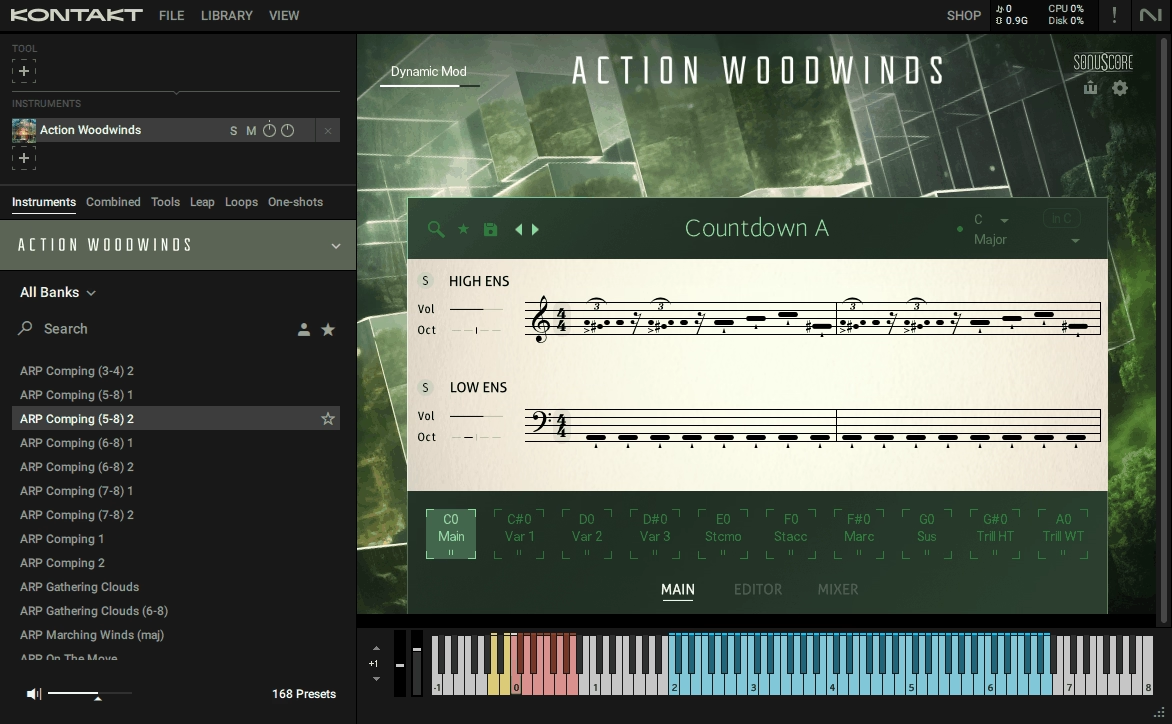
Action Woodwinds surprised me with how performance-driven it feels compared to traditional woodwind libraries. This collaboration between Native Instruments and Sonuscore focuses on motion, rhythmic energy, and cohesion rather than exhaustive articulation lists.
You get curated ensemble patches covering flutes, oboes, clarinets, and bassoons that prioritize the most musically effective articulations for rhythmic and melodic motion. This selective approach keeps the library highly usable for sketching cues without overwhelming you with options.
What I really like about Action Woodwinds how the legato system handles transitions smoothly, even in passages with rapid interval jumps. It doesn’t replicate a soloist’s intricate phrasing, but it produces natural-sounding motion for ensemble lines.
The library maintains dynamic responsiveness across velocity layers, which means crescendos, decrescendos, and accented notes translate realistically without manual layering of multiple patches. Straightforward MIDI CC mapping for dynamics, expression, and vibrato lets you shape phrases in real-time without interrupting your performance flow.
- Cohesive Ensemble Sound with Immediate Presence
The recorded groups maintain consistent balance and clarity without requiring extensive mixing or panning adjustments. When you load a patch, it sits well in your mix right away, which matters when you’re working in smaller DAW setups.
I’ve found this particularly helpful when layering different sections to create depth without the mix becoming muddy. The ensemble cohesion means notes remain balanced even when you’re stacking multiple woodwind lines.
- Expressive Dynamic Control for Real-Time Shaping
You can adjust dynamics, expression, and vibrato during playback without stopping to automate. This allows immediate shaping of crescendos, accents, and timbral variation as you perform. I like this because it keeps the creative flow going instead of forcing you to draw automation curves after the fact.
The macro controls are straightforward and avoid complex scripting to get expressive results.
- Legato Transitions for Melodic Motion
The legato system supports flowing runs and melodic lines without tedious editing. Notes connect smoothly in both pitch and dynamics, which works well for motif-driven content and ensemble support.
When I’m sketching action sequences or composing underscore, I can generate musical motion quickly with repeated staccato patterns or flowing runs that add momentum under brass or string layers.
- Rhythmic Responsiveness with Pre-Sculpted Content
Short motifs and staccato runs are designed for instant impact, particularly in cinematic action scoring. Instead of manually programming complex runs, you trigger them directly from your keyboard or MIDI controller and adjust expression and velocity to fit the scene. This makes rapid iteration practical when you’re working on tight deadlines or small-scale productions.
The limitations: it’s not intended for soloistic virtuoso writing. Individual instrument nuance is abstracted into ensemble patches, so detailed woodwind articulations or extended techniques require additional libraries.
I don’t think it’s ideal for slower, lyrical compositions where longer expressive phrases may need careful editing to avoid sounding mechanical. Layering multiple ensemble patches can create dense harmonic content that needs mixing attention, especially when combining with strings or brass in bedroom studios.
4. Lores by Native Instruments – Best Pro
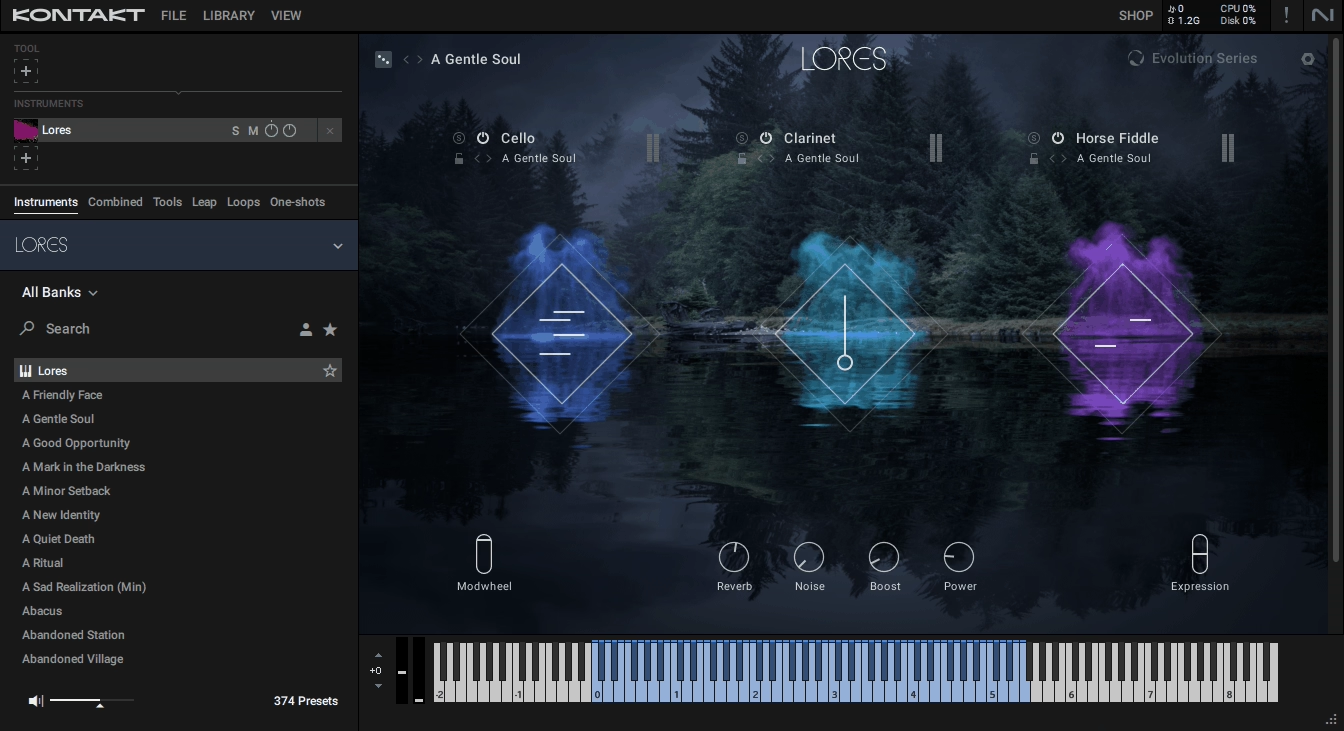
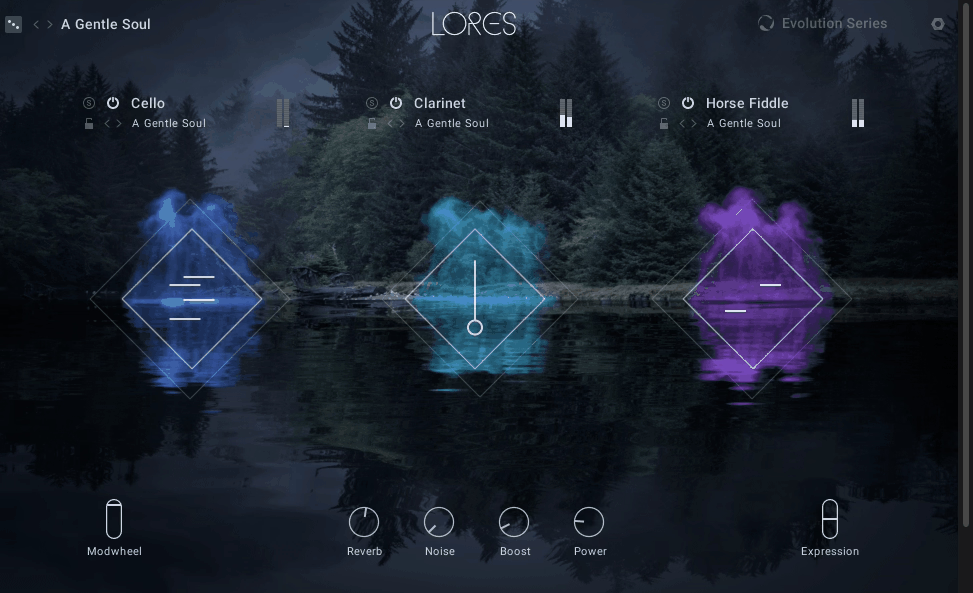
What caught my attention about Lores Kontakt library is how it’s built specifically for narrative-driven composition rather than traditional orchestral mockups. This instrument combines sampled acoustic sources, hybrid elements, and subtle effects into single-playable patches that encourage exploration and layering.
I think the design here prioritizes storytelling through texture and atmosphere, which makes it particularly relevant for bedroom composers who need rich cinematic content with minimal programming.
Each patch often combines three or more sound layers, including acoustic instruments, subtle percussive elements, and hybrid textures. I really like how this layered approach gives you immediate depth and complexity without manually stacking multiple instruments in your DAW.
The MIDI expression and modulation controls are integrated at a granular level, so velocity, mod wheel, and expression CCs adjust multiple layers simultaneously. I would say this makes performing crescendos, harmonic shifts, or textural changes in real time straightforward without extensive automation.
- Layered Source Design with Three or More Layers
Patches combine acoustic instruments, percussive elements, and hybrid textures into single playable sounds. This gives you immediate depth that would normally require loading several separate instruments.
When you are sketching cinematic ideas or building background atmospheres, this can save you considerable time because the complexity is already baked into the patch design.
- Dynamic Expression with Granular Control
Velocity, mod wheel, and expression CCs adjust multiple layers at once, making it easy to perform crescendos or textural changes while playing.
I’ve found this particularly helpful for building suspense or emotional crescendos in cues because the patches respond naturally to playing dynamics without needing automation drawn afterward!
- Evolving Textures with Pre-Programmed Motion
Most patches feature subtle movement through filters, LFOs, or recorded effects that react naturally to your playing dynamics. This evolution keeps motifs feeling alive rather than static. I must say this works exceptionally well for tension beds or ambient underscore where you need movement without manually programming modulation
- Playable Thematic Elements with Embedded Motifs
Some patches include pre-composed motifs, sequences, or harmonic fragments within the layer design. These aren’t traditional loops, but you can trigger and manipulate them in real time to quickly sketch story-driven themes. I find it useful for rapid thematic exploration when spotting to picture or developing musical ideas quickly..
- CPU-Efficient Despite Layered Complexity
The library avoids heavy resource demands that larger orchestral libraries carry. This makes it practical for home setups or mobile studios where efficiency matters. You can load multiple instances without your session grinding to a halt, which I think is critical when you’re working on modest hardware
The limitations: Lores doesn’t provide detailed orchestral articulations or solo instrument realism. I don’t think it’s meant to replace comprehensive orchestral libraries.
The hybrid layering can dominate frequency ranges in dense mixes, requiring careful EQ when combined with other instruments. Some of the pre-composed harmonic or melodic fragments may not fit every composition and might need subtle editing or re-harmonization to work in your specific context.
5. Choir OMNIA by Native Instruments & Strezov Sampling – Best Choir
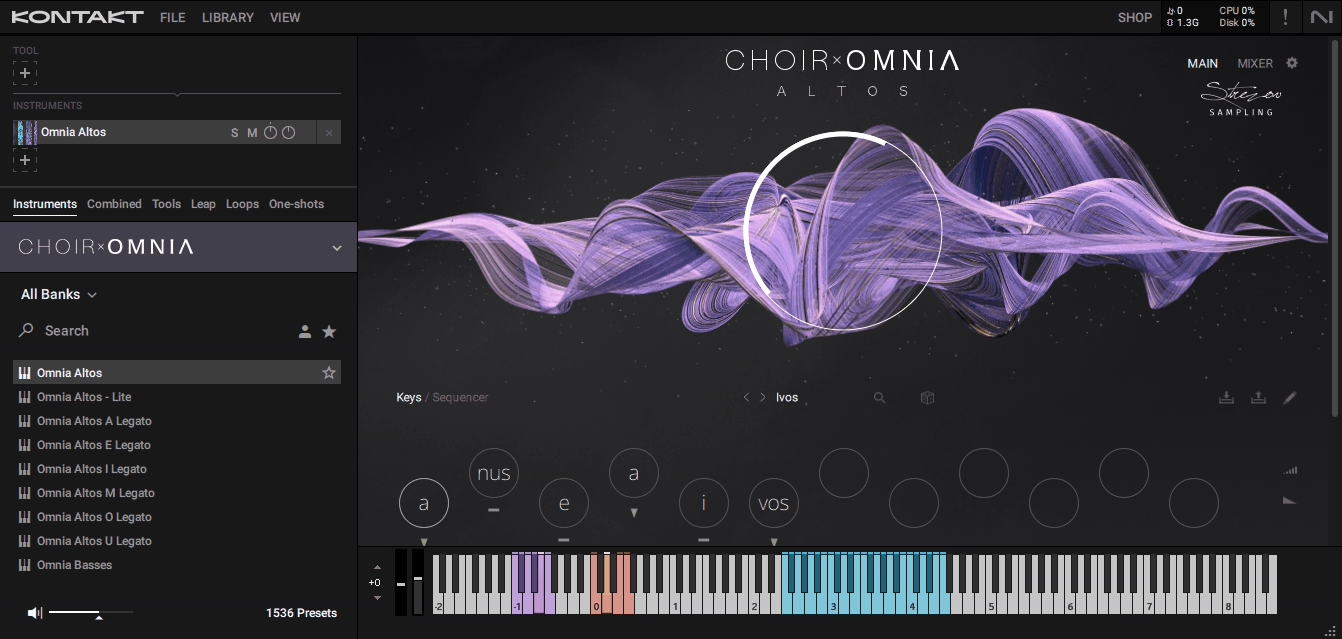
This one stands out for its performance-oriented design, especially when compared to traditional choir libraries.Developed with Strezov Sampling, Choir OMNIA library captures a full SATB choir in a controlled studio environment and focuses on ensemble cohesion, expressive control, and mix-ready usability.
I think what sets this apart is how the patches are immediately playable from a single MIDI controller instead of requiring you to manually blend individual sections.
The library provides pre-balanced ensemble patches optimized for immediate use, which ensures consistent tone across the frequency spectrum. I really like the advanced legato engine that manages interval jumps and sustained notes efficiently, producing smooth melodic lines under live performance or complex sequences.
The multiple velocity and dynamic layers allow seamless crescendos and decrescendos, so you can shape choir intensity from soft atmospheric pads to powerful climaxes without switching patches.
I would say the expressive MIDI mapping for vibrato, volume, tone color, and attack makes dynamic performance adjustments intuitive and immediate.
You will get:
- Playable SATB Ensemble Patches with Pre-Balanced Tone
Full ensemble patches ensure consistent tone without manually blending individual parts. You can create rich harmonic textures right away, which I’ve found particularly useful when building foundations beneath strings, brass, or hybrid elements.
The ensemble approach keeps everything balanced across the frequency spectrum, so you’re not fighting midrange buildup or tonal conflicts when layering.
- Advanced Legato and Transition Control for Flowing Lines
The legato engine handles phrase transitions with expressive real-time control. When you perform long melodic lines, notes connect smoothly without abrupt breaks or unnatural jumps.
It let you shape evolving motifs naturally for cinematic underscore where emotion needs to develop organically across a cue.
- Dynamic Layering Across Multiple Intensity Levels
Velocity and dynamic layers respond to how hard you play, allowing you to perform crescendos and decrescendos without switching patches or adjusting multiple tracks.
I would recommend this for trailer or tension cues where you need to build from whisper-quiet pads to massive climaxes within the same phrase.
- Harmonic Pads and Pre-Designed Chord Clusters
These patches provide quick scoring support for background underscore and tension building. If you are working on tight deadlines, these pre-designed harmonic layers can save you time because they create cinematic space without additional layering or programming.
You load a pad, play your chord progression, and it sits well in the mix immediately.
- Expressive MIDI Control for Real-Time Shaping
Adjust vibrato intensity, tonal color, and dynamic balance on the fly while scoring to picture. The MIDI CC mapping is straightforward, which keeps the creative flow going instead of forcing you to stop and draw automation curves. This is particularly practical for bedroom setups where workflow efficiency matters.
The limitations: OMNIA doesn’t provide extensive solo voice articulations or micro-level performance detail. I really don’t think it’s suited for exposed solo passages or highly detailed choral writing.
Pre-designed harmonic layers occasionally need EQ adjustment when layered with other instruments to avoid midrange masking. The focus on ensemble cohesion limits individual voice variability, which can feel less natural in passages demanding isolated character or extreme dynamics.
6. Action Strings 2 by Native Instruments – Best Rhythmic Strings
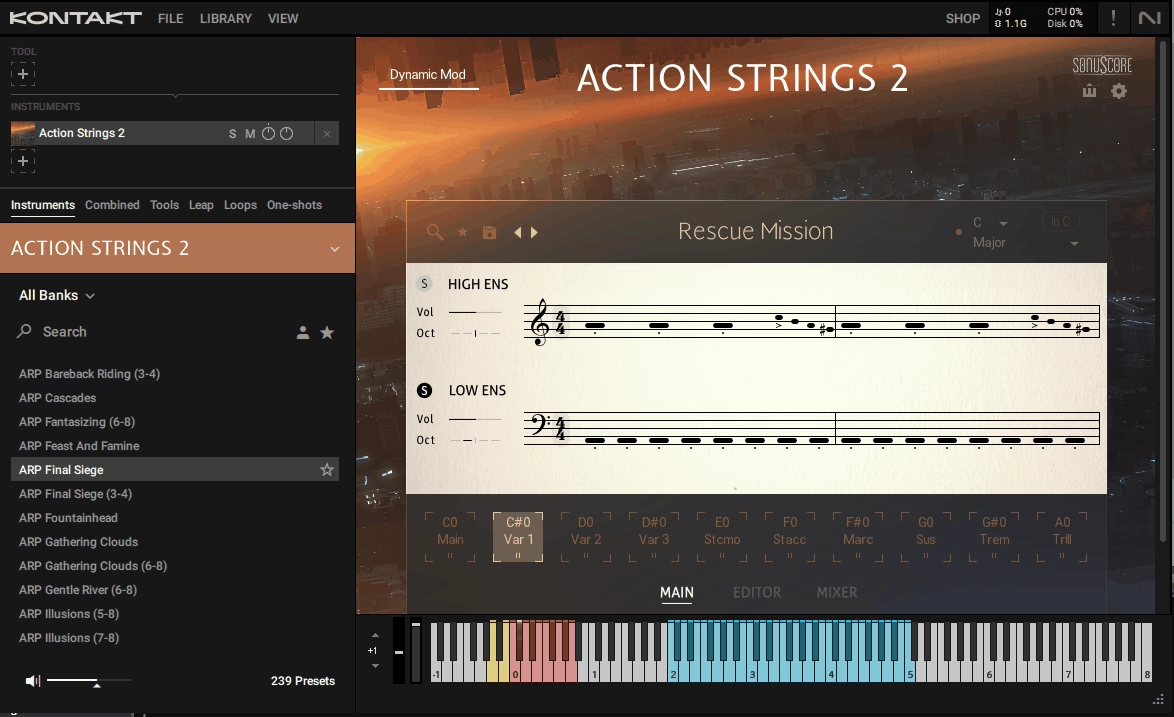
Developed with Sonuscore, Action Strings 2 orchestral Kontakt library emphasizes motion, rhythm, and cinematic impact instead of exhaustive orchestral realism.
You get pre-designed rhythmic phrases, ostinatos, and melodic motifs that are tempo-synced and ready to play, which means you can generate action-driven cues in minutes without heavy MIDI programming. I think this is particularly valuable for bedroom studios or small scoring setups where speed and playability matter more than micro-level solo detail.
The patches are recorded with small to medium ensembles that ensure balanced tone and immediate mix-ready sound. I kinda like how the velocity layers and dynamic control allow expressive swells, crescendos, and decrescendos without switching patches mid-performance.
The legato transitions are optimized for interval jumps and fast runs, keeping lines fluid even under rapid sequences. I would say the real-time dynamic shaping through expression, modulation, and velocity controls makes it easy to adjust intensity, attack, and sustain directly from your MIDI controller while playing.
Here is what you get:
- Motif-Oriented Patches with Tempo-Synced Ostinatos
Pre-designed rhythmic phrases and melodic motifs sync to your DAW tempo automatically. This lets you sketch full cues quickly without manually programming note patterns. When you are building tension or supporting action sequences, these motifs sit well under brass, percussion, or hybrid elements.
The phrases are designed for easy rearrangement, so you can repeat, transpose, or modify them to match your cue requirements without extensive MIDI editing.
- Ensemble-Focused Layers for Immediate Mix-Ready Sound
Small to medium ensemble recordings maintain balanced tone across the frequency spectrum. You load a patch and it works in your mix right away, which I’ve found critical when layering multiple string parts to build dense, energetic textures. The ensemble cohesion means you’re not fighting frequency conflicts or spending time on detailed panning adjustments.
- Legato for Fluid Motion in Fast Runs
Interval transitions stay smooth even in fast melodic or harmonic phrases. This keeps the energy going in trailer and action scoring where lines need to maintain motion without gaps. I like this because continuous phrases evolve naturally over multiple sections of a scene instead of sounding choppy or mechanical.
- Hybrid Cinematic Layers with Subtle Processing
Some patches include layered ensemble hits or lightly processed runs that add depth and punch without dominating your mix. These hybrid layers enhance cinematic impact, making them practical for hybrid orchestral compositions where you need strings that cut through dense arrangements.
- Pattern Flexibility for Quick Adaptation
The motifs and sequences adapt to different cue requirements without forcing you into extensive MIDI editing. You can trigger patterns, adjust their intensity with real-time modulation, and shape crescendos or rhythmic accents on the fly. I would recommend this for trailers or heroic sequences where energy needs to shift dynamically.
The limitations: Action Strings 2 isn’t focused on soloistic precision or micro-articulations. I don’t think it’s suited for highly detailed or exposed orchestral writing. Some motifs require adaptation when used in unconventional time signatures or heavily syncopated sequences.
Layering multiple patches in dense arrangements can occasionally introduce frequency conflicts in the midrange that need EQ attention.
7. Symphony Series: Brass Ensemble by Native Instruments & Soundiron – Best Brass
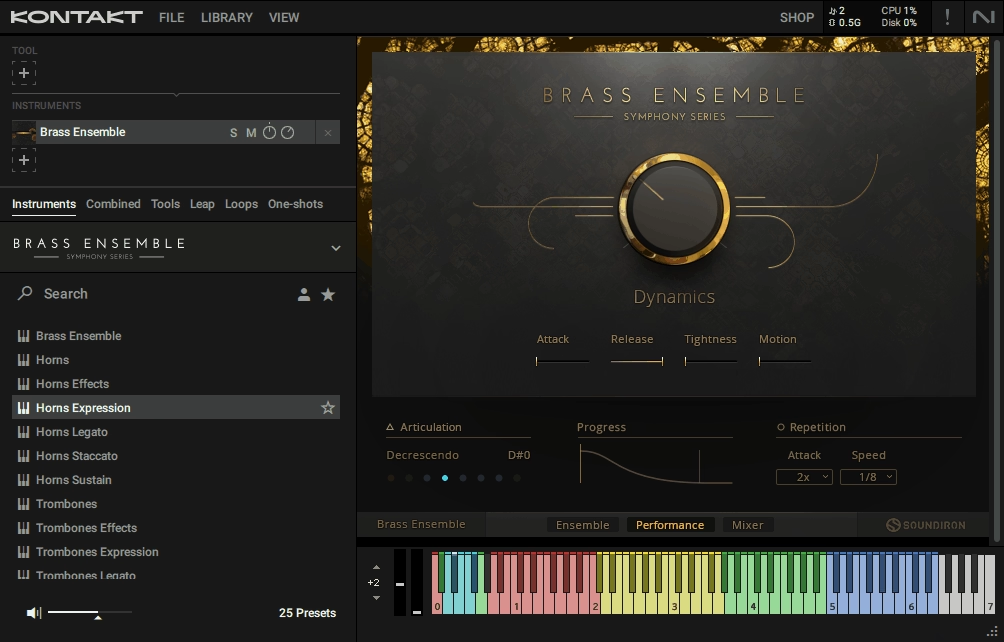
I would recommend Symphony Series: Brass Ensemble if you need orchestral brass that’s immediately usable without extensive programming. Developed with Soundiron, this library focuses on ensemble cohesion, tonal balance, and expressive control rather than capturing every possible solo articulation.
You get pre-balanced SATB ensembles (horns, trumpets, trombones, tuba) recorded with premium microphones that maintain clarity in the mid and low-frequency ranges without losing natural brass warmth.
What’s cool about this library is how the patches are designed to sound cohesive when played from a single MIDI controller. You’re not manually adjusting volumes or layering multiple tracks to get a balanced ensemble sound.
The velocity layers and modulation mappings allow real-time shaping of crescendos, decrescendos, and intensity, which means you can perform expressive passages without switching patches mid-phrase.
I think the legato programming ensures smooth melodic or harmonic transitions across intervals, keeping lines fluid even when executing jumps or runs across the ensemble.
Features:
- Ensemble-Centric Patches for Cohesive Sound
Pre-balanced SATB ensembles avoid the need for extensive layering or manual volume adjustments. When you play a patch, the horns, trumpets, trombones, and tuba sit together naturally without frequency conflicts.
I’ve found this particularly useful when building harmonic foundations or cinematic motifs because you’re focusing on scoring rather than micro-adjusting individual parts.
- Dynamic Expression with Real-Time Control
Velocity layers and modulation respond to how you play, letting you perform crescendos and swells naturally. The dynamic control feels responsive enough that you can shape intensity on the fly while scoring to picture. It keeps the creative flow going instead of forcing you to stop and draw automation curves afterward.
- Legato for Fluid Melodic and Harmonic Passages
Interval transitions stay smooth across the ensemble, which maintains musical flow in melodic lines or harmonic textures. When I’m writing heroic themes or tension-building sequences, the legato keeps lines feeling natural instead of choppy or mechanical. This works especially well for continuous phrases that need to evolve over multiple sections.
- Harmonic Pads and Pre-Voiced Cluster Layers
Some patches include sustained harmonic clusters that support cinematic underscore or tension-building. These save time when layering with other orchestral instruments because they provide instant depth. I would say this is practical for hybrid scoring where you need brass textures that combine easily with electronic or orchestral elements without crafting custom layers from scratch.
- Mix-Friendly Recording for Easy Integration
The recording maintains clarity in the midrange, which makes layering with strings, percussion, or hybrid textures straightforward. You’re not fighting masking issues or spending excessive time on EQ to make everything fit. The ensemble patches integrate seamlessly into cinematic mixes without dominating frequency ranges.
The limitations: this library doesn’t provide detailed solo articulations or extreme micro-dynamics. I don’t think it’s suited for exposed solo lines or intricate counterpoint where you need individual player nuance.
Some harmonic pad patches may need EQ adjustment in dense mixes. The ensemble cohesion reduces individual player variability, which can feel less human in highly exposed passages where you’d want more character and imperfection.
Extra: Arkhis by Native Instruments – Best Value
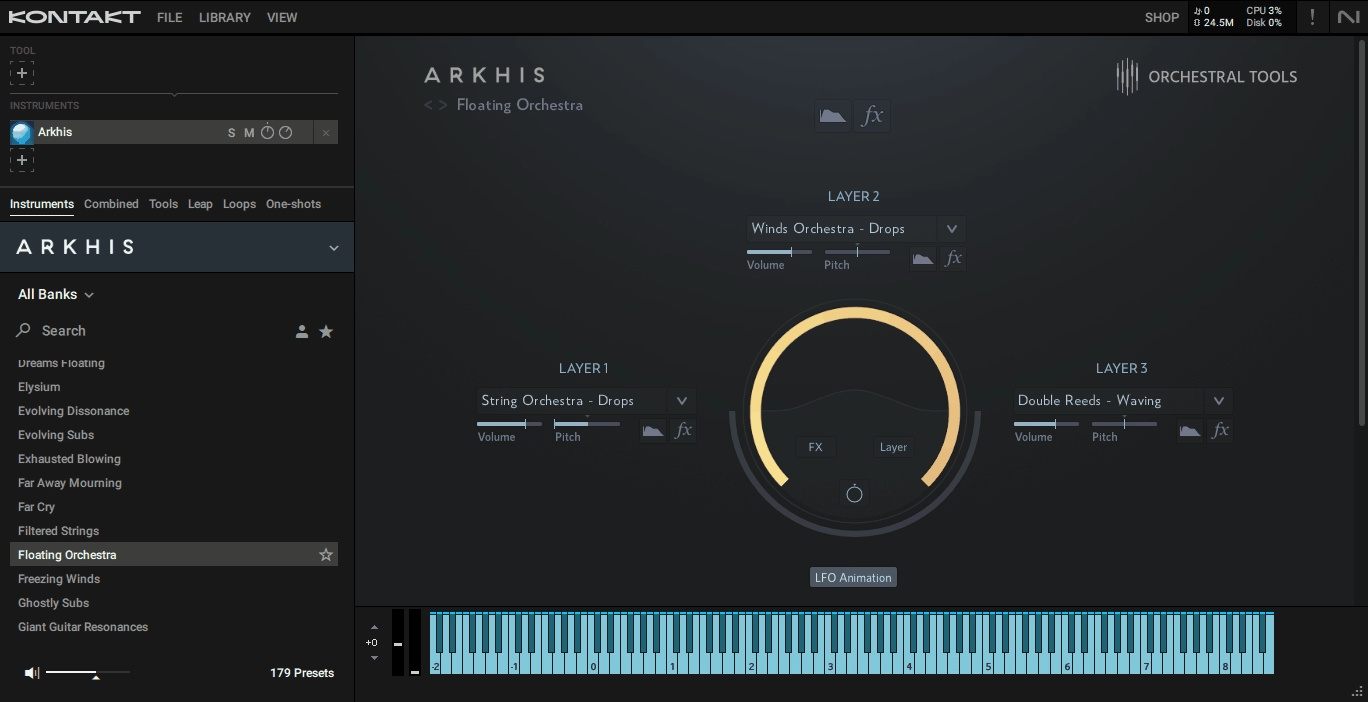
Arkhis library prioritizes layered orchestral textures and real-time control over traditional articulation depth.
Developed with Orchestral Tools and recorded at Berlin’s Teldex Scoring Stage, this library includes 90 premium sound sources spanning strings, brass, woodwinds, percussion, and unconventional instruments like waterphone and dulcimer. Playable layering engine that lets you stack up to three layers per patch, each with independent controls for volume, pan, and modulation.
This orchestral Kontakt library focuses on evolving atmospheres and motifs that you can shape directly from your MIDI controller. I would say the central morph control is what makes this different because it allows smooth blending between the three layers, enabling gradual or dramatic shifts in timbre and density.
The dynamic LFO and movement controls can be assigned to each layer to create evolving textures, which I’ve found particularly useful for building tension or atmospheric pads without additional processing. I must say the performance-focused interface emphasizes speed and clarity, making it practical for sketching cues or performing live to picture.
Main features:
- Layer-Based Playback Engine with Three Independent Layers
Stack up to three layers per patch and control each one’s volume, pan, and modulation independently. This lets you build complex textures and reshape them in real time without pre-rendering or extensive automation. When you are creating cinematic underscoring or trailer textures, you can layer strings, brass, and an unconventional instrument to produce rich textures that morph over time with minimal DAW automation.
- Morphable Layers with Central Morph Control
The morph knob blends smoothly between your three layers, enabling tonal and density transitions that adapt to the scene. I like this because it keeps scoring decisions flexible. You can move from sparse textures to dense orchestral walls by adjusting a single control, which works well when musical textures need to evolve dynamically with picture.
- Dynamic LFO Integration for Movement and Tension
Assign LFOs or motion parameters to each layer to create evolving textures automatically. This adds tension, rhythm, or atmospheric movement without routing to external effects. I would recommend this for suspenseful moments or action cues where you need textures that shift and pulse without manual modulation programming.
- Wide Instrument Palette with 90 Sound Sources
Beyond standard orchestral instruments, you get ethereal and unconventional sources like waterphone, dulcimer, and prepared strings. These expand cinematic possibilities for suspense, horror, or abstract sequences without needing external libraries. The unconventional instruments help cues stand out from traditional orchestral textures.
- Integrated Effects with Macro-Accessible Controls
Built-in reverb, delay, and spectral shaping let you adjust tonal character on the fly. This helps textures sit better in cinematic mixes without loading external plugins. The effects are macro-assigned, which keeps adjustments fast during sessions.
The limitations: Arkhis isn’t designed for detailed solo articulations or precise note-by-note orchestration. It’s not suited for exposed melodic lines where you need micro-level realism.
Some unconventional or hybrid patches may require EQ adjustments in dense mixes when layered with other orchestral libraries. The optional SEQUIS library provides step-sequencing capabilities, but full pattern-based control isn’t available out of the box.
Unlocking the full potential of layer morphing, LFO control, and motion design requires a learning curve if you’re new to modular or layered orchestral instruments.

Hello, I’m Viliam, I started this audio plugin focused blog to keep you updated on the latest trends, news and everything plugin related. I’ll put the most emphasis on the topics covering best VST, AU and AAX plugins. If you find some great plugin suggestions for us to include on our site, feel free to let me know, so I can take a look!