

Recording acoustic guitar well is one of the trickier tasks in a home studio because the instrument radiates sound from everywhere simultaneously.
Low frequencies project from the soundhole, harmonics shimmer off the strings between the bridge and the nut, body resonance emanates from the top and back, and the overall tonal picture changes dramatically depending on where you point your microphone.
A condenser captures all of this complexity with the sensitivity and frequency extension that dynamic mics lack, which is why condensers remain the default recommendation for acoustic guitar.
But not every condenser handles acoustic guitar the same way, and the differences matter more than you might expect. Some excel at capturing the airy shimmer of fingerpicked passages but turn harsh on aggressive strumming. Others handle loud, percussive playing beautifully but sound sterile on delicate fingerstyle.
Pickup pattern, diaphragm size, and the mic’s own tonal character all affect what you end up with in your DAW, and matching the mic to your playing style and the role the guitar plays in your arrangement is where the real decisions live. I’ve selected six condenser microphones plus a bonus pick that record acoustic guitar with particular distinction.
1. DPA 4018V-B-B01
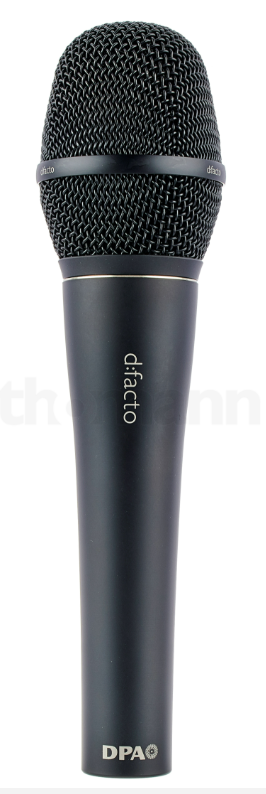
Danish measurement-grade engineering applied to a handheld condenser that captures acoustic sources with a transparency most microphones can’t approach. DPA 4018V features a supercardioid capsule with an isolation-optimized polar pattern, a 3 dB soft boost at 12kHz that adds presence without harshness, 160 dB SPL handling for any dynamic range, and a modular design that allows the capsule to be removed from the wired handle and adapted for wireless systems.
On acoustic guitar, DPA’s transparent character means you hear the instrument rather than the microphone’s interpretation of it.
Positioning the 4018V at the 12th fret captures the guitar’s tonal balance with an accuracy that reveals playing nuance, wood character, and string articulation in a way that most mics approximate but don’t fully deliver. If you want the most honest capture of your acoustic guitar that a handheld condenser can provide, this is the benchmark.
- DPA Transparency
DPA’s capsule engineering produces a linear phase and frequency response that reproduces acoustic guitar with a neutrality that competing condensers don’t match. You hear the guitar’s actual tonal character, from the fundamental warmth of the body to the highest string harmonics, without the frequency shaping that most microphones apply.
For recording where you want maximum post-production flexibility and the ability to shape the guitar’s tone entirely through EQ and processing rather than having the mic make tonal decisions for you, the DPA approach gives you the cleanest starting point available.
- Soft Boost
A 3 dB soft boost at 12kHz adds a subtle shimmer and air to acoustic guitar recordings without the aggressive brightness that harder presence peaks create.
On acoustic guitar, this gentle high-frequency lift enhances the string shimmer, pick harmonics, and the airy quality that makes a well-recorded acoustic guitar sound alive in a mix. You barely notice the boost is there, which is the point. It adds sparkle without calling attention to itself.
- SPL Capacity
160 dB SPL handling means the 4018V captures the loudest acoustic guitar strumming without capsule distortion.
Aggressive strumming, percussive slaps, and body tapping produce surprisingly high sound pressure at close mic distances, and some condensers compress or distort under those transient peaks. You can play as hard as you want, with as much percussive attack as your style demands, without worrying about overloading the capsule.
- Modular Build
A modular design lets you remove the capsule from the wired XLR handle and adapt it for wireless systems from Sennheiser, Shure, Sony, and others.
For acoustic performers who need wireless freedom on stage, the same capsule that recorded your studio tracks can go wireless for live performance. In the studio, the modular construction also means you invest in a capsule that serves multiple applications rather than a single-purpose microphone.
2. the t.bone MB 78 Beta
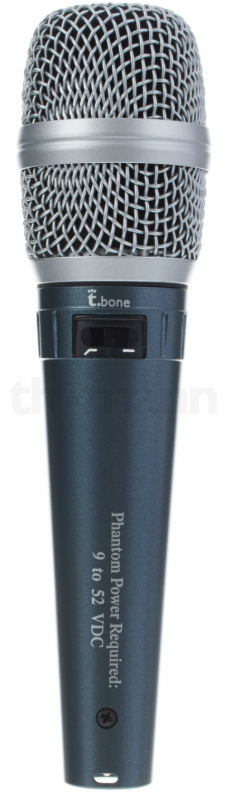
One of the most affordable small-diaphragm condensers on the market, and a legitimate option for recording acoustic guitar if your budget is tight.
the t.bone MB 78 Beta gives you a small-diaphragm condenser capsule with a supercardioid polar pattern, a frequency response reaching to 20kHz, an internal shock mount, a switchable low-cut filter, and a build quality that exceeds what you’d expect at this cost, all in a pencil-style form factor that’s easy to position on acoustic guitar.
I want to be realistic about the MB 78 Beta: it doesn’t compete with the DPA or Earthworks on this list in terms of detail and transparency.
But it captures acoustic guitar with a clarity and frequency extension that budget dynamics simply can’t match, and for home studio producers who are upgrading from a dynamic mic to their first condenser, the improvement is immediately audible. At this cost, you can buy two and record acoustic guitar in stereo, which is a luxury that single expensive mics don’t afford.
- Budget Condenser
At its remarkably accessible cost, the MB 78 Beta puts condenser-quality acoustic guitar recording within reach of producers who assumed condenser mics were beyond their budget.
You get the sensitivity, frequency extension, and transient detail that define condenser performance without the investment that premium models require. For beginners who want to hear the difference a condenser makes on acoustic guitar versus the dynamic mic they’ve been using, the MB 78 Beta makes that comparison affordable.
- Supercardioid Focus
A supercardioid polar pattern provides tighter front pickup and stronger side rejection than cardioid alternatives, capturing more of the guitar and less of the room around it. For untreated rooms where wall reflections would color the recording, the tighter pattern keeps your acoustic guitar sound focused and direct.
Positioning the MB 78 at the 12th fret with the supercardioid aimed at the neck-body junction gives you a clean, direct guitar sound with reduced room contribution.
- Pencil Format
A slim pencil-style body makes positioning on acoustic guitar significantly easier than large-diaphragm condensers that block sight lines and create awkward stand configurations. You can aim the MB 78 precisely at the sweet spot of the guitar, adjust the angle by fractions of an inch, and the small profile means the mic doesn’t get in the player’s way.
- Low-Cut Filter
A switchable low-cut filter reduces low-frequency rumble, room resonance, and proximity-effect bass that can muddy acoustic guitar recordings. Engaging the filter at the source cleans up the low end before it reaches your interface, giving you a tighter, more defined guitar tone from the capture itself. For close-mic positions where proximity effect adds unwanted bass weight, the filter is genuinely useful.
- Stereo Pair
Because the cost is so accessible, buying two MB 78 Betas for a stereo acoustic guitar setup is practical in a way that pairing premium mics isn’t. Stereo recording captures the width and spatial quality of an acoustic guitar’s sound field, giving you a bigger, more immersive guitar recording than any single mic can achieve. For home studio producers who want that professional stereo guitar sound, two MB 78s provide the entry point.
- First Condenser
For producers upgrading from dynamic mics, the MB 78 Beta serves as an excellent first condenser experience that reveals the difference in sensitivity, detail, and frequency extension between microphone types. You hear string harmonics, pick noise, body resonance, and high-frequency air that your dynamic mic was rolling off, which teaches you what condenser recording adds to your toolkit.
3. Rode M2
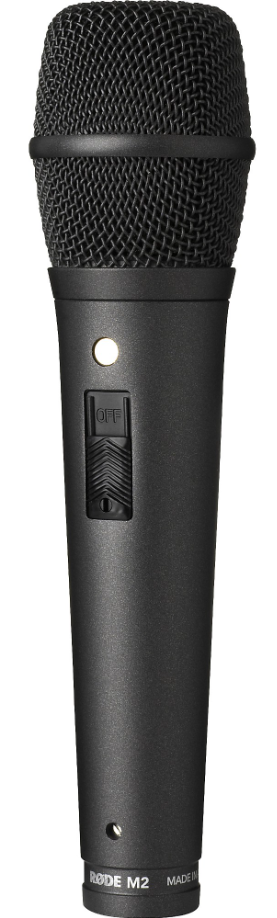
Rode’s live performance condenser in a format that doubles effectively for studio acoustic guitar recording, with a frequency response designed to be clear and present without harsh sibilance. Rode M2 features a condenser capsule with high output for a handheld condenser, a supercardioid pattern for focused pickup, and the Rode build quality that survives both stage use and studio sessions.
On acoustic guitar, the Rode M2 captures a balanced, clear picture of the instrument with enough presence to sit forward in a mix without EQ. I find it particularly effective on strumming patterns where you want the guitar to have energy and cut without the brittle harshness that some condensers add to percussive attack transients.
- Present Character
Rode’s frequency tuning gives the M2 a forward, present character that helps acoustic guitar recordings cut through a mix without aggressive EQ boosting. On strummed patterns, the presence lift adds energy and definition to the attack without making the guitar sound harsh or thin. For acoustic guitar in singer-songwriter or folk arrangements where the guitar needs to support but not compete with the vocal, the M2’s presence helps the instrument hold its own space.
- Supercardioid Isolation
A supercardioid pickup pattern provides focused front capture with strong side rejection, keeping your acoustic guitar recording clean in environments where room reflections or background noise would contaminate a wider-pattern mic’s capture. For home studio recording where acoustic treatment is limited, the tighter pattern is a practical advantage that produces drier, more controllable guitar recordings.
- Robust Build
Rode’s metal construction with a hardened steel grille survives the handling that studio microphones encounter during setup, repositioning, and storage. For a mic that you mount on a boom arm, adjust between takes, and store between sessions, the build quality means long-term reliability without the fragility that some handheld condensers exhibit.
4. Earthworks Audio SR314
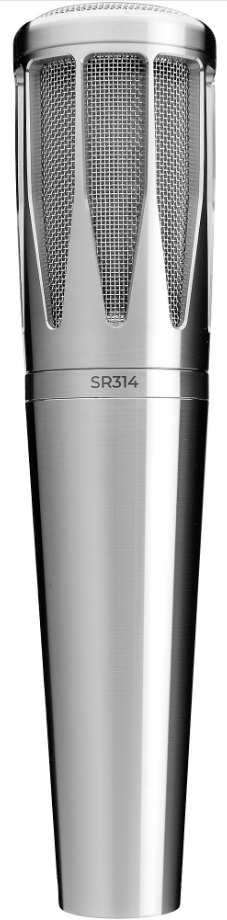
Measurement-grade accuracy in a handheld format that captures acoustic guitar with a naturalness and transparency that conventional condensers don’t achieve. Earthworks SR314 features a small-diaphragm condenser capsule with a Class-A amplifier circuit, a 20Hz to 30kHz frequency response, excellent time coherence with fast impulse response, and a precision-machined stainless steel housing that’s as much a piece of engineering as it is a microphone.
For acoustic guitar specifically, the SR314’s time coherence is what makes it special. Acoustic guitar produces rapid transient events from pick attacks, string plucks, and percussive techniques, and a mic that reproduces those transients accurately preserves the rhythmic feel and articulation of your playing. Reviews consistently describe acoustic guitar through the SR314 as sounding “like you’re in the room with the player,” which is about as high a compliment as a recording mic can receive.
- Time Accuracy
Earthworks’ focus on time coherence and impulse response means the SR314 captures the attack characteristics of acoustic guitar with exceptional precision. Pick attacks arrive cleanly, fingerpicked notes have defined beginnings and endings, and percussive slap techniques retain their rhythmic snap. For acoustic guitar styles where articulation and timing are central to the performance, the SR314’s transient accuracy preserves those qualities in the recording with a fidelity that slower transducer designs soften.
- 30kHz Extension
A frequency response reaching 30kHz captures harmonic content and air that the human ear perceives as openness and liveliness, even though you can’t hear individual frequencies above 20kHz. On acoustic guitar, this extended response preserves the sense of “space” and “breath” around the instrument that gives a great recording its lifelike quality. Mics that roll off at 15-18kHz lose this quality, producing guitar recordings that sound captured rather than present.
- Distance Consistency
Reviewers note the SR314 maintains a remarkably consistent tone as the distance between mic and guitar changes. Moving slightly closer adds gentle warmth without dramatic proximity bass, and pulling back doesn’t thin the guitar out as quickly as competing condensers. For acoustic guitarists who move naturally during performance or for sessions where you experiment with mic distance, the consistent response means your tone stays stable.
- Stainless Precision
A precision-machined stainless steel housing provides acoustic rigidity that lighter plastic and thin-metal housings don’t achieve. Beyond durability, the rigid construction prevents housing resonances from coloring the captured audio, which contributes to the SR314’s transparency. For a recording microphone that you invest in once and use for years, the stainless steel construction ages without degradation.
5. Audio-Technica AE 5400
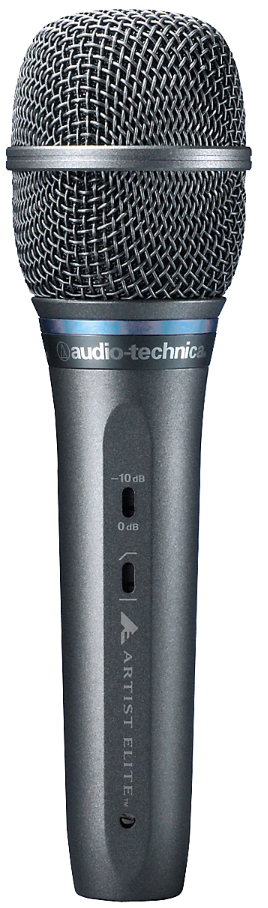
Audio-Technica’s flagship handheld condenser with capsule lineage from their acclaimed AT4050 studio mic, providing studio recording quality in a format that also handles close-up acoustic instrument capture. Audio-Technica AE 5400 delivers a large-diaphragm condenser capsule, a cardioid polar pattern, and a frequency response tuned for balanced, detailed reproduction across the full spectrum.
On acoustic guitar, the AE 5400’s large-diaphragm capsule captures the instrument’s body and warmth with a fullness that small-diaphragm mics don’t quite match. If you want your acoustic guitar recordings to have a round, complete quality with prominent body resonance alongside string detail, the large diaphragm serves that character.
- AT4050 DNA
A large-diaphragm capsule derived from Audio-Technica’s AT4050 studio condenser captures acoustic guitar with the fullness, warmth, and low-frequency richness that the AT4050 is known for. On acoustic guitar, the large diaphragm captures body resonance and bass string energy with a completeness that small-diaphragm designs don’t reproduce as fully. For recording styles where the guitar’s warmth and body are as important as its brightness and detail, the AT4050 lineage provides that quality.
- Balanced Capture
A frequency response tuned for balanced reproduction captures acoustic guitar without overemphasizing any single frequency range. Highs, mids, and lows are presented in proportion, giving you a guitar recording that sounds natural and complete without the tonal editing that heavily voiced mics require. For acoustic guitar that needs to work across different arrangement contexts, the balanced starting point gives you flexibility.
- SPL Handling
Generous SPL handling means the AE 5400 captures aggressive strumming, percussive techniques, and loud dynamic passages without capsule distortion or compression. For acoustic guitarists whose playing ranges from gentle fingerpicking to hard strumming within a single song, the headroom ensures clean capture across the entire dynamic range.
6. Austrian Audio OC707
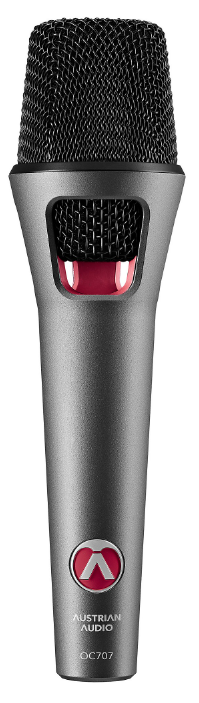
Condenser microphone engineering from the team that built AKG’s legendary capsules, now designing under their own name with a studio-grade small-diaphragm capsule optimized for live performance that works beautifully on acoustic guitar in the studio.
Austrian Audio OC707 features a cardioid condenser capsule with Austrian Audio’s acclaimed CKR6 capsule design, Open Acoustics Technology that reduces housing resonances, a handmade-in-Austria build quality, a presence lift for natural vocal and instrument clarity, and a frequency response that captures acoustic instruments with the open, detailed character that Austrian Audio has become known for.
On acoustic guitar, the OC707 captures string detail and body resonance with an openness that handheld condensers don’t always achieve. Austrian Audio’s Open Acoustics Technology reduces the enclosed quality that some handheld mic housings impart, producing a more natural, free-breathing guitar sound.
- CKR6 Capsule
Austrian Audio’s CKR6 capsule is designed and built in Austria by engineers with decades of experience creating some of the most acclaimed condenser capsules in recording history. On acoustic guitar, the capsule captures the full harmonic complexity of the instrument with a detail and naturalness that reveals playing nuance, string texture, and body character. For recording where the acoustic guitar is a featured instrument rather than background texture, the capsule quality ensures your guitar sounds as good as the instrument and performance allow.
- Open Acoustics
Open Acoustics Technology reduces contact points between capsule and housing, allowing sound to enter the capsule from a wider field without the internal reflections and resonances that enclosed housings create. On acoustic guitar, where the sound radiates from multiple points on the instrument simultaneously, the open design captures a more complete, natural picture of the guitar’s total output. You hear less of the microphone’s housing and more of the instrument itself.
- Austrian Heritage
Every OC707 is handmade in Austria by the engineering team that carries decades of capsule design experience from their previous work building some of the world’s most iconic condenser microphones. For acoustic guitar recording where capsule quality directly determines the detail and naturalness of the capture, the Austrian Audio heritage means you’re recording through engineering expertise that few manufacturers possess.
- Presence Lift
A gentle presence lift adds clarity and intelligibility to acoustic guitar recordings, helping the instrument cut through a mix without the aggressive upper-midrange peaks that some condensers use to create artificial brightness. On acoustic guitar, the lift enhances pick attack, string shimmer, and the overtone clarity that gives a well-recorded guitar its definition in an arrangement.
- Low Resonance
Because the Open Acoustics design reduces housing-induced resonances, the OC707 produces acoustic guitar recordings with less of the nasal, boxy quality that some enclosed handheld condenser designs introduce. Cleaner capture means less corrective EQ needed during mixing, which preserves the natural character of your guitar rather than requiring you to fix problems the mic introduced.
Extra: Lewitt MTP W950
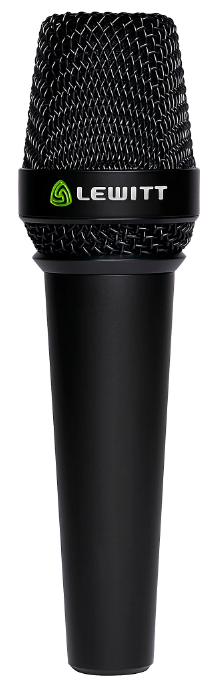
Worth considering for acoustic guitar recording if you want a high-quality handheld condenser from the company known for their innovative recording microphones. Lewitt MTP W950 features a 1-inch true condenser capsule in a handheld format, a switchable cardioid/supercardioid pattern, and Lewitt’s engineering approach that prioritizes clean, detailed reproduction.
On acoustic guitar, the pattern switching is practical because you can use cardioid for a warmer, roomier capture and switch to supercardioid for tighter isolation in noisier environments.
- Pattern Switching
Switchable cardioid and supercardioid patterns give you two different acoustic guitar recording characters from one microphone. Cardioid mode captures more room ambience and warmth, while supercardioid tightens the focus for drier, more isolated guitar recordings. Adapting to your room’s acoustics without changing microphones is a practical advantage that single-pattern mics don’t offer.
- True Condenser
A 1-inch true condenser capsule provides the sensitivity, frequency extension, and transient response that acoustic guitar recording demands. Larger capsules capture more low-frequency energy and produce fuller recordings than smaller electret designs, giving your guitar recordings the body and warmth that complement string detail.
- Lewitt Quality
Lewitt’s engineering standards and build quality produce a microphone that performs consistently and reliably across recording sessions. For a condenser that lives in your studio and gets positioned on acoustic guitar regularly, consistent performance means your recordings maintain quality over time.

Hello, I’m Viliam, I started this audio plugin focused blog to keep you updated on the latest trends, news and everything plugin related. I’ll put the most emphasis on the topics covering best VST, AU and AAX plugins. If you find some great plugin suggestions for us to include on our site, feel free to let me know, so I can take a look!