
Programming convincing electric guitar from a plugin remains one of the hardest things to do well in music production. The instrument is deeply expressive, with pick dynamics, string bending, hammer ons, pull offs, slides, and muting techniques that all contribute to what makes a guitar part sound like a human played it rather than a keyboard triggered it.
No virtual guitar completely eliminates the gap between programmed and performed, but the plugins available today get close enough to be genuinely useful for demos, production, songwriting, and even final releases depending on how they’re used and what genre you’re working in.
The plugins on this list approach the problem from different angles. Some are deeply sampled instruments with extensive articulation systems and strumming engines designed for maximum realism. Others are phrase based tools that generate guitar performances from chord input, trading detailed control for speed and ease of use.
A few focus on specific guitar types and genres, from metal to indie to classic rock. The right choice depends on what kind of guitar parts you need, how much time you’re willing to invest in programming, and whether realism or convenience matters more for your workflow.
I’ve included eleven electric guitar plugins (ten plus a bonus) that cover the most useful guitar types and production approaches, from Stratocasters and Telecasters through Les Pauls, Semi Hollows, and Rickenbackers to specialized tools for metal and AI assisted composition.
Disclaimer: These products do not contain any Kontakt libraries for which I made separate post.
1. LANDR Guitar (AI Composition Tool)
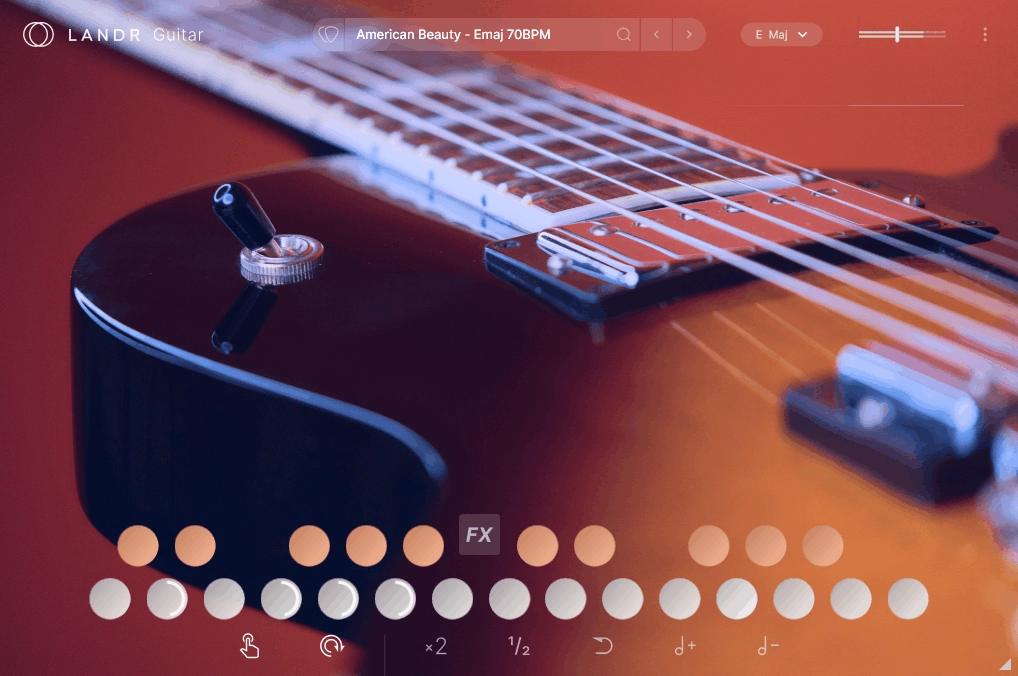
LANDR Guitar applies the AI approach of the LANDR mastering platform to guitar composition and performance generation.
The plugin creates guitar parts from minimal input, generating chord progressions, rhythmic patterns, and performance variations that you can use as starting points for your productions or as final guitar elements in your arrangements.
I should be honest about what LANDR Guitar is best suited for: it’s a songwriting and ideation tool more than a production tool. The generated guitar parts provide musical starting points that can inspire arrangement decisions and accelerate the composition process.
If you’re a producer who doesn’t play guitar and needs guitar elements in your tracks, LANDR Guitar offers a faster path than learning to program a sampled guitar library. The results work best for background rhythm parts rather than featured guitar elements that need to sound indistinguishable from a live player.
- AI Generation
The plugin uses AI to generate guitar performances from minimal input, creating musically appropriate parts based on the style and harmonic context you provide. The generation produces complete performances including rhythm, dynamics, and articulation variation.
- Style Selection
Multiple genre and style options shape the character of the generated guitar parts, from clean pop strumming to driven rock rhythms. The style selection determines the rhythmic pattern, tone, and playing approach of the AI generated performance.
- Variation Control
Controls for complexity and variation adjust how much the generated performance changes over time, from simple, repetitive patterns to evolving performances with fills and transitions. The variation prevents the AI generated parts from sounding static and mechanical over the course of a full song.
- Export Options
Generated performances can be exported as audio or MIDI for further editing in your DAW.
The MIDI export is particularly useful because you can take the AI generated part and refine specific sections, change notes, or use it as a starting point for more detailed programming.
Available from LANDR in VST, VST3, AU, and AAX formats.
2. Solemn Tones The Odin III (Metal & Rock Guitar)
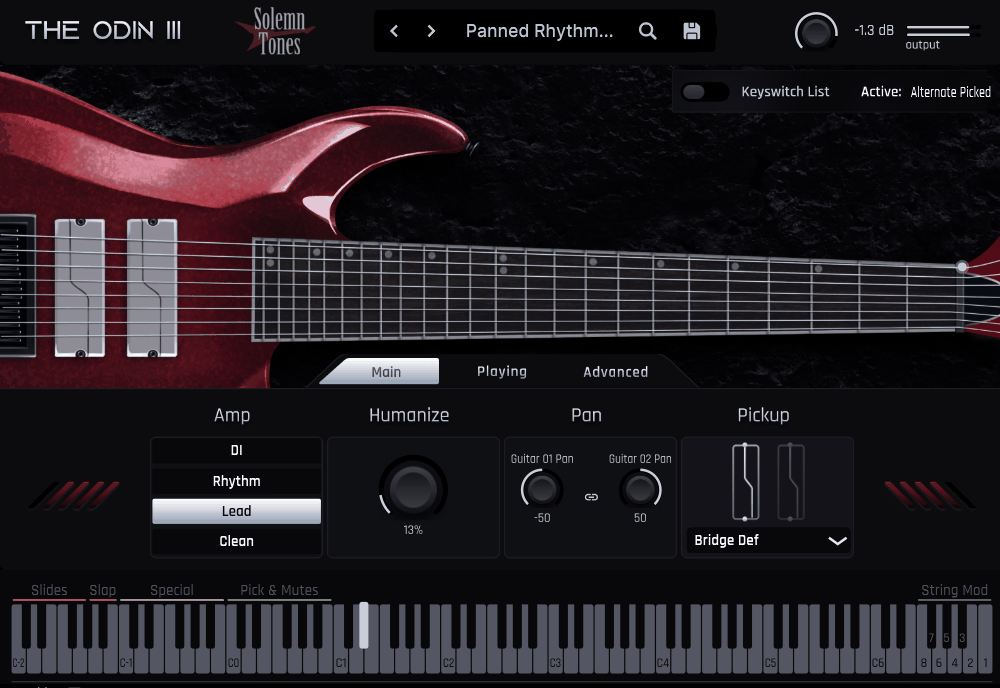
If you produce metal, metalcore, djent, or heavy rock and need programmed guitar that actually sounds convincing in those genres, Odin III was built specifically for that purpose.
Recorded on an ESP LTD SC-608 eight string baritone with an Evertune bridge for perfect intonation across every note, the sampling depth covers the kind of tight, aggressive playing techniques that heavy music demands: palm mutes at multiple intensities, pinch harmonics, scrapes, and precise alternate picking that other guitar plugins handle less convincingly.
What makes The Odin III stand out in the heavy guitar space is the sheer scale of the sampling and the DI signal approach. Over 53,000 samples went into creating this instrument, making it one of the most deeply sampled guitar plugins ever produced.
The instrument tunes down to double drop C, covering every relevant drop tuning that modern metal uses.
The output is a clean DI signal by default, which means you process it through your own amp simulation of choice rather than being locked into a built in tone. For producers who already have amp plugins they like (Guitar Rig, Neural DSP, STL Tones), this approach gives you full control over the final sound.
- Evertune Intonation
The samples were recorded through an Evertune bridge, which mechanically maintains perfect string tension and intonation regardless of playing dynamics. This means every note across the entire fretboard is perfectly in tune, eliminating the pitch wobble that affects standard guitar recordings when strings are hit hard or during bends.
- Drop Tuning Range
The instrument covers tunings from standard E down to double drop C, with the lower tunings sampled on a baritone scale length for tight, defined tone even at extreme low pitches. You can access drop D, drop C, drop B, drop A, and every tuning between without the flabby string sound that pitch shifting standard tuning samples produces.
- DI Output
The plugin outputs a clean direct injection signal by default, letting you use your own amp simulation, impulse responses, and effects chain. The DI approach gives you complete control over the final tone and ensures the guitar integrates with whatever amp modeling workflow you already use.
- Articulation Depth
Extensive key switch articulations cover palm mutes at multiple intensities, pinch harmonics, natural harmonics, slides, hammer ons, pull offs, scrapes, and more. The articulation variety is what separates a convincing programmed metal guitar from one that sounds like the same sample triggered repeatedly.
Available from Solemn Tones in VST, VST3, AU, and AAX formats
3. Ample Sound Guitar Stratocaster (Strat Electric Guitar)
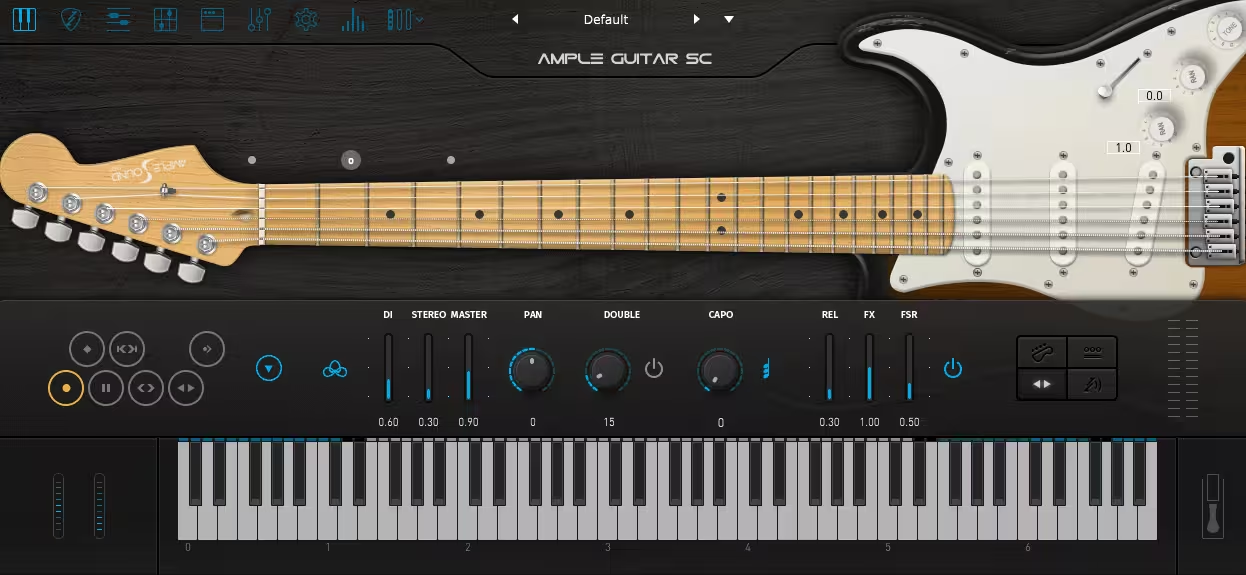
The deep sampling captures the Strat’s characteristic single coil brightness, the quack of positions 2 and 4, and the warm neck pickup tone across the full fretboard with multi velocity round robin sampling that prevents the mechanical quality of simpler guitar libraries.
I covered the Ample Guitar SC in a previous article, but it deserves specific attention on an electric guitar list because of the strumming engine.
Programming convincing rhythm guitar is the hardest part of using any guitar plugin, and Ample’s strummer generates realistic strumming patterns from chord MIDI input with adjustable feel, dynamics, and up/down patterns. You program chords and the engine handles the strumming, which saves enormous time compared to manually programming individual string hits for rhythm parts.
- Strat Tone
The sampling captures the specific single coil character of the Stratocaster across all five pickup positions, including the in between positions (2 and 4) that produce the Strat’s distinctive quacky, hollow tone. The pickup selection gives you the full range of Strat voices, from the warm neck position to the bright, cutting bridge.
- Strumming Engine
A realistic strumming pattern generator creates rhythmic chord performances from your MIDI input with adjustable speed, dynamics, feel, and strum direction. The engine produces patterns that sound like actual strumming rather than all strings being triggered simultaneously, which is the key difference between a convincing rhythm guitar part and an obviously programmed one.
- Articulation System
Key switches trigger hammer ons, pull offs, slides, bends, mutes, harmonics, and legato transitions that are essential for realistic guitar parts. The articulations respond to velocity and playing context, producing different results depending on how you trigger them rather than always sounding identical.
- Amp Simulation
A built in amp and cabinet simulation provides the complete signal chain within the plugin, from clean Fender tones to moderate overdrive. You can also bypass the amp section and use the DI output with external amp modeling for more control over the final tone.
- Tab Player
An integrated tablature player imports guitar tab files and performs the parts with appropriate articulations and string assignments. For producers who can find guitar tab online but don’t play guitar themselves, this feature bridges the gap between notation and performance.
- Fretboard Display
A visual fretboard shows which notes and strings are being triggered in real time, helping you understand and refine the MIDI programming. The visual feedback makes it easier to create realistic guitar voicings rather than keyboard style voicings that sound unnatural on guitar.
Available from Ample Sound in VST, VST3, AU, and AAX formats.
4. Sugar Bytes Guitarist (AI Guitar Performer)
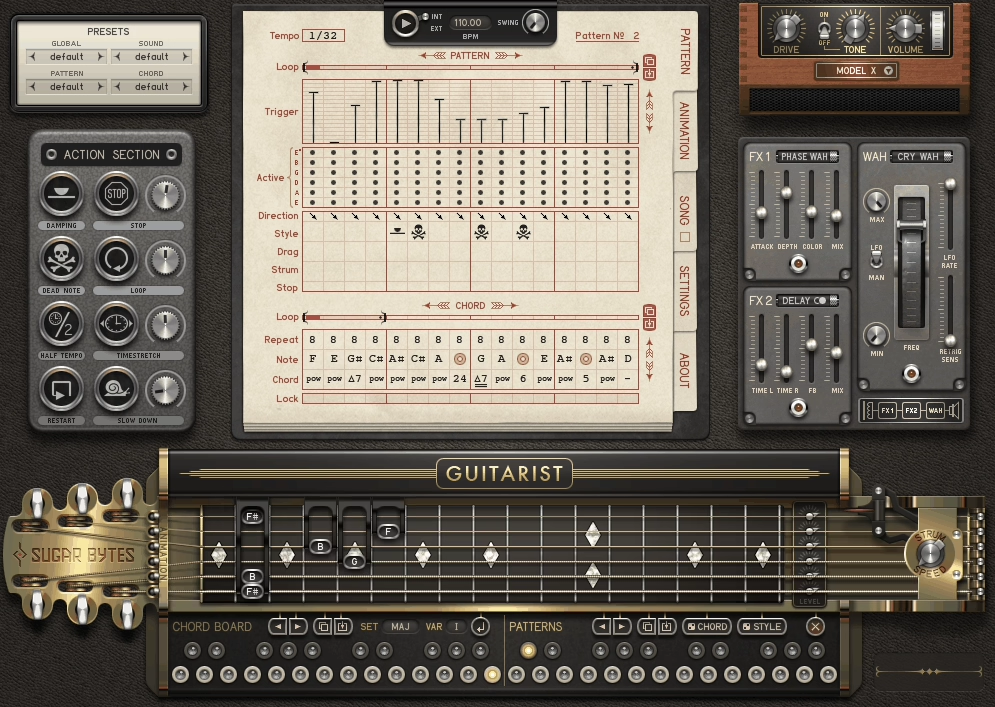
Sugar Bytes Guitarist takes a completely different approach from sampled guitar plugins by using AI and pattern based generation to create guitar performances.
Rather than programming individual notes and articulations, you feed Guitarist chord information and it generates complete guitar performances including rhythm patterns, strumming, picking styles, and articulation changes.
The trade off with Guitarist is clear: you sacrifice the detailed control of a sampled guitar library in exchange for speed and ease of use. You’re not going to create a specific guitar solo note for note.
What you will do is generate convincing rhythm guitar parts, arpeggiated passages, and strumming patterns in seconds rather than hours. For songwriting, demos, and productions where guitar serves a supporting role rather than a featured instrument, the speed advantage is significant.
- Pattern Generation
The plugin generates complete guitar performances from chord input, creating rhythm patterns, strumming, and picking with built in musical intelligence. You choose a style, play chords, and the engine creates a performance that sounds like an actual guitarist playing along.
- Style Library
Multiple performance styles covering rock, pop, funk, jazz, and other genres provide different rhythmic patterns and playing approaches. Switching styles changes the rhythmic feel, articulation, and dynamics of the generated performance.
- Real Time Response
The generation responds to your chord changes in real time, creating performances that follow your harmonic progression naturally. You can play along with the generated guitar to develop arrangements interactively rather than programming everything offline.
Available from Sugar Bytes in VST, VST3, AU, and AAX formats.
5. Ample Sound Guitar Rickenbacker (Jangly Electric)

This guitar has a distinctive, jangly, chiming tone that’s inseparable from the sound of bands like The Beatles, The Byrds, R.E.M., and Radiohead. Ample Guitar Rickenbacker captures this specific character with the same deep sampling and articulation approach that
Ample Sound applies across their guitar library, but tuned to the Rickenbacker’s unique semi hollow body, through neck construction, and toaster style pickups.
I reach for the Ample Rickenbacker specifically when a track needs that jangly, 12 string inspired shimmer or the punchy midrange bite that Rickenbackers are known for. No other guitar type sounds quite like this.
The Rickenbacker occupies a specific tonal space that Stratocasters, Telecasters, and Les Pauls don’t cover, and having it available as a plugin fills a gap that other guitar libraries leave empty. For indie, alternative, and British invasion inspired productions, this is the guitar sound you’re looking for.
- Rickenbacker Tone
The sampling captures the specific tonal characteristics of the Rickenbacker, including the jangly high end, the punchy midrange, and the hollow body resonance that gives the instrument its distinctive voice.
The tone is immediately recognizable and sits differently in a mix from any other electric guitar type.
- Strumming Engine
Ample Sound’s strumming engine adapted for the Rickenbacker generates rhythmic performances that capture the jangly strumming style the instrument is known for. The strumming is particularly effective on the Rickenbacker because the bright, chimey tone benefits from the string interaction that the engine simulates.
- Articulations
Full key switch articulations cover the playing techniques relevant to Rickenbacker use: clean strumming, arpeggiated picking, muted rhythm work, and sustained chords. The articulations are selected and tuned for the styles of music where Rickenbackers typically appear.
Available from Ample Sound in VST, VST3, AU, and AAX formats.
6. Ample Sound Guitar Vintage Cherry (SG Style)
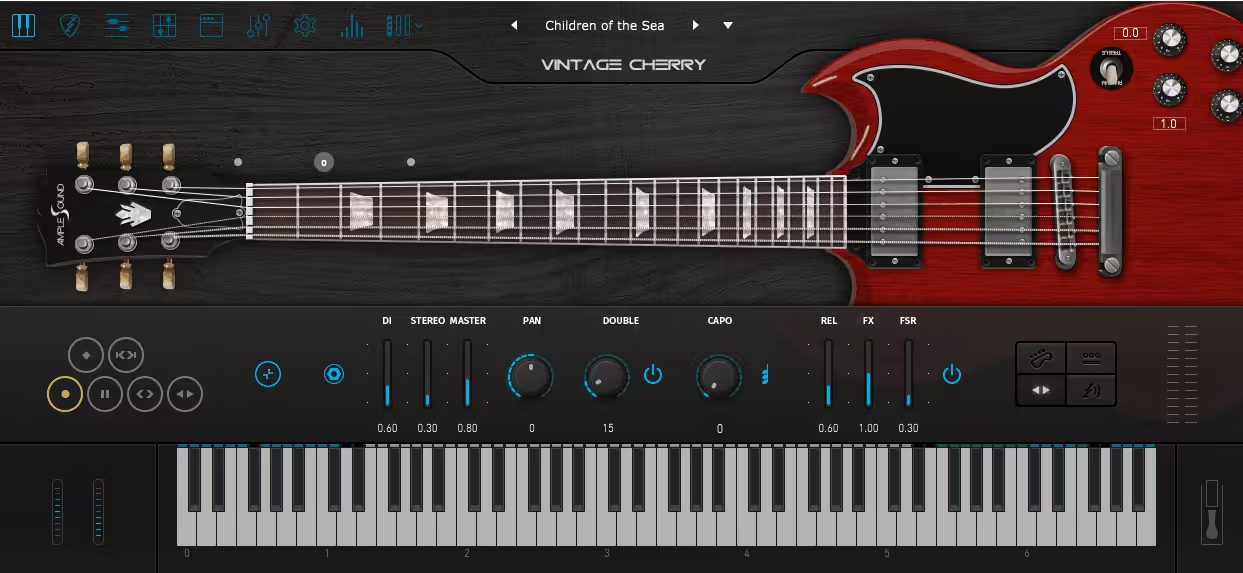
Ample Guitar Vintage Cherry captures the SG’s specific tonal personality with the warm, slightly nasal quality of its mahogany body and dual humbucker pickups in the classic cherry red configuration that AC/DC’s Angus Young made iconic.
For producers working in classic rock, hard rock, blues rock, and punk, the SG’s voice fills a specific role that other guitars don’t cover as effectively. It’s more aggressive than a Stratocaster, brighter and thinner than a Les Paul, and has a sustain character influenced by the neck joint position and lightweight body.
Vintage Cherry captures these specific qualities, and the combination with Ample Sound’s strumming engine produces convincing rhythm parts for genres where the SG is a natural fit.
- SG Character
The sampling captures the specific tonal balance of the SG: the biting midrange, the thin but aggressive low end, and the crisp high frequency response that distinguishes it from heavier double cutaway guitars.
The SG’s lighter body and thinner tone cut through dense mixes in a way that thicker sounding guitars sometimes don’t.
- Humbucker Warmth
The dual humbucker pickup response provides the warm, noise free signal that humbuckers are valued for, with the specific voicing of the SG’s pickup placement.
The bridge pickup delivers the aggressive bite, while the neck pickup provides the rounder, jazzier tone that the SG is less commonly associated with but handles capably.
- Strumming Engine
Ample Sound’s rhythm engine generates chord performances adapted to the SG’s response characteristics. The strumming is voiced for the quick, responsive attack that the SG’s lightweight construction and slim neck produce, capturing the immediate, punchy quality of the instrument.
- Performance Modes
Multiple playing modes covering fingerpick, pick, and hybrid approaches let you match the virtual performance style to the genre and musical context. Rock and punk parts benefit from aggressive pick attack. Blues parts work better with fingerstyle dynamics.
- Legato System
A realistic legato engine handles hammer ons, pull offs, and slides with smooth transitions between notes. The legato quality is important for lead lines and riff passages where the connection between notes defines the musical feel.
Available from Ample Sound in VST, VST3, AU, and AAX formats.
7. ujam IRON 2 (Rock & Metal Guitar)
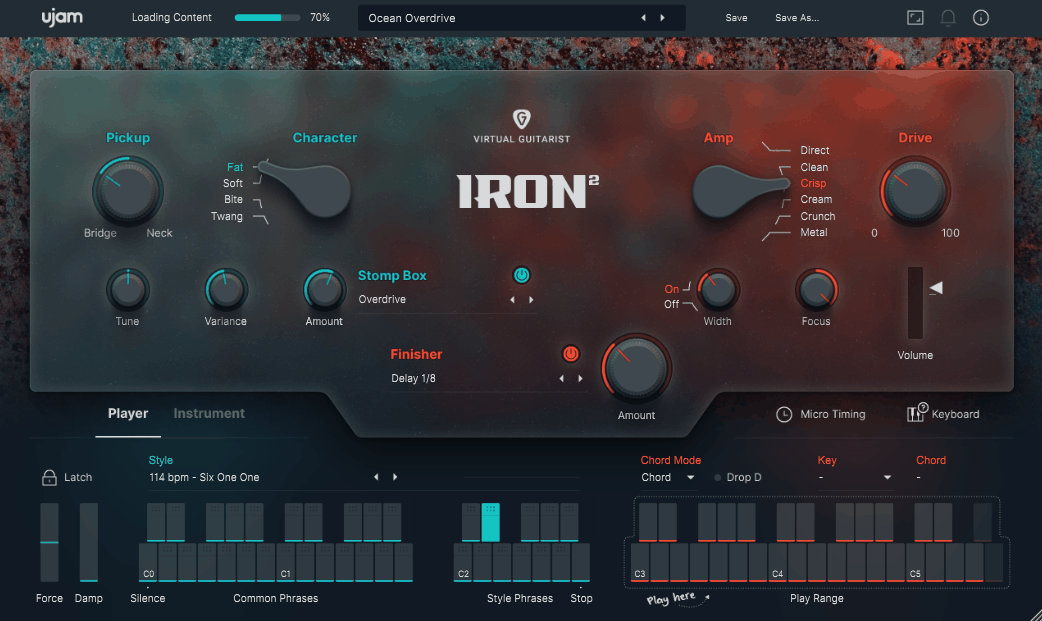
Where Ample Sound and Solemn Tones require detailed MIDI programming to create realistic parts, ujam IRON 2 takes the phrase based approach that ujam applies across their instrument line.
You trigger chord types and rhythm patterns, and IRON 2 generates complete heavy guitar performances with appropriate playing techniques, dynamics, and articulation changes. The focus is on speed and usability rather than note by note programming control.
IRON 2 is designed for producers who need heavy guitar sounds but don’t want to invest the time in detailed MIDI programming.
The trade off is real: you have less control over individual notes and playing techniques than you’d get with Ample Sound or Solemn Tones. What you gain is the ability to add convincing rock and metal guitar to a track in minutes rather than hours. For songwriting, demos, and productions where guitar isn’t the primary focus, this speed advantage matters.
- Phrase Engine
The performance engine generates complete guitar parts from minimal input, handling rhythm patterns, palm mute sequences, and dynamic variation automatically. You focus on the harmonic and rhythmic structure rather than programming individual string hits.
- Style Presets
Multiple genre styles cover different rock and metal subgenres with distinct rhythmic patterns, playing intensity, and tonal character. Switching styles changes the fundamental character of the generated performance to match different production contexts.
- Quick Results
The workflow is designed for speed, letting you produce usable heavy guitar parts within minutes of loading the plugin. For producers who need guitar elements but primarily work in other genres, the fast workflow prevents guitar programming from becoming a time consuming bottleneck.
Available from ujam in VST, VST3, AU, and AAX formats.
8. Ample Sound Guitar Telecaster (Tele Electric Guitar)
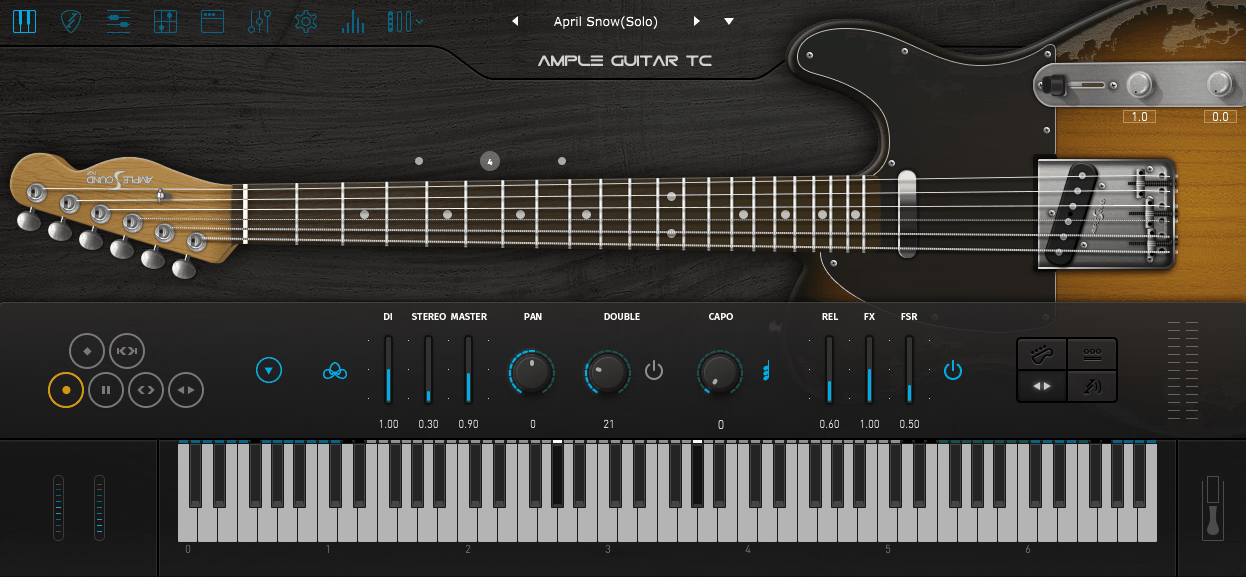
The Telecaster is the other half of the Fender electric guitar equation, and its sound is fundamentally different from the Stratocaster despite sharing the same manufacturer.
Where the Strat is known for smooth, scooped tones, the Tele delivers a bright, twangy, cutting character with a snappy attack that has made it essential for country, indie, alternative, punk, and classic rock production. Ample Guitar TC captures these specific qualities with dedicated sampling.
What I find practical about having the Ample Telecaster alongside the Stratocaster is that the two instruments genuinely serve different roles in an arrangement. The Tele’s bridge pickup has a piercing, nasal quality that cuts through dense mixes where a Strat might get lost.
The neck pickup is warmer and rounder than you’d expect, producing clean jazz tones and smooth blues leads. Having both Fender characters available lets you choose the right voice for each guitar part in your production.
- Telecaster Bite
The sampling captures the Tele’s distinctive bridge pickup twang with the bright, snappy attack and cutting midrange presence that distinguishes it from other electric guitars. The bridge pickup tone is the Telecaster’s signature voice and is reproduced here with the specific metallic brightness and string snap that Tele players value.
- Dual Pickups
Both bridge and neck pickup positions are sampled independently, providing the full range of Telecaster voices. The bridge delivers the classic twang and bite. The neck provides a warmer, rounder tone that works for jazz chords and clean passages where the bridge would be too aggressive.
- Country Strumming
The strumming engine handles the specific rhythm patterns and picking styles associated with Telecaster playing, including the chicken picking and hybrid picking techniques that are characteristic of country and rockabilly guitar. The rhythmic engine captures the tight, percussive quality of Telecaster rhythm work.
- Bend System
A detailed string bending system with controllable bend range and speed captures the expressive bends that are central to blues, country, and rock lead playing. The bending quality affects how realistic lead lines sound, and the Ample Telecaster handles this with smooth, natural pitch transitions.
Available from Ample Sound in VST, VST3, AU, and AAX formats.
9. Ample Sound Guitar Semi Hollow (ES-335 Style)
Semi hollow body guitars occupy a unique tonal territory between solid body electrics and fully hollow archtops. AG Semi Hollow captures the specific character of an ES-335 style instrument, with the warm body resonance, natural compression, and singing sustain that semi hollows are prized for in blues, jazz, classic rock, and indie production.
The semi hollow sound is different enough from solid body guitars that I consider it a distinct category rather than just another guitar model. The body resonance adds a woody, acoustic quality to the electric signal that solid bodies don’t produce.
The feedback characteristics at higher gain settings are different. The dynamic response is more complex because the body vibrates in ways that affect the pickup output.
Semi Hollow plugin captures these qualities, and the result sits in a mix differently from any solid body guitar plugin.
- Body Resonance
The sampling captures the acoustic resonance of the semi hollow body, including the way the body vibration colors the pickup signal with woody warmth and natural compression. This body interaction is what gives semi hollow guitars their distinctive voice that falls between a solid body electric and an acoustic archtop.
- Clean Excellence
The semi hollow character excels on clean and lightly overdriven settings where the body resonance and natural sustain shine through. Clean jazz chords, blues bends, and warm rhythm work are where this guitar type is most distinctive, and the sampling captures these strengths effectively.
- Pickup Selection
The bridge, middle, and neck positions provide different tonal balances ranging from bright and cutting to warm and rounded.
The neck pickup in particular produces the dark, mellow jazz tone that semi hollow guitars are associated with, while the bridge retains enough brightness for blues and rock applications.
- Feedback Character
The semi hollow body’s tendency toward feedback at moderate gain is captured in the sampling, which adds the singing, sustained quality that semi hollow players exploit for expressive blues and rock playing. The controlled feedback adds a dimension that solid body guitar samples don’t exhibit.
- Articulation Range
Full key switch articulations cover the playing techniques relevant to semi hollow use: smooth legato transitions, warm vibrato, clean arpeggios, and the sustained, singing bends that the body resonance enhances. The articulations are tuned for the genres where semi hollows typically appear.
Available from Ample Sound in VST, VST3, AU, and AAX formats.
10. Ample Sound Guitar Les Paul (Humbucker Rock Guitar)
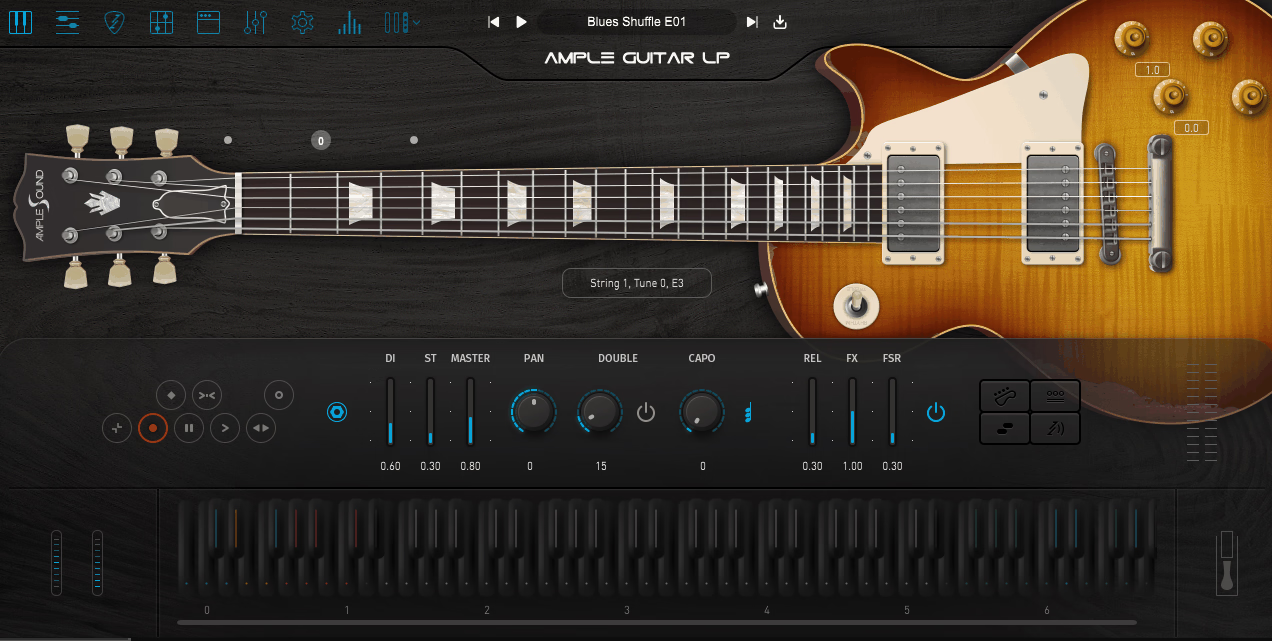
What the Les Paul brings to a production context that other guitars don’t is weight and sustain. The thick body and humbucker pickups produce a signal with more low midrange presence and longer sustain than single coil guitars, which makes the Les Paul the natural choice for powerful rhythm chords, singing lead lines, and anything where you want the guitar to fill a large sonic space.
Ample Guitar LP handles these qualities well, and the sampling captures the dynamic response where soft playing produces a warm, clean tone while harder playing drives the humbuckers into a growling, saturated character.
- Humbucker Power
The PAF style humbucker sampling captures the thick, warm, powerful tone that defines the Les Paul sound. The humbuckers produce a fat, noise free signal with prominent low midrange and smooth high end that sits in a mix with authority and weight.
- Sustain Depth
The Les Paul’s exceptional sustain is captured in the sampling with long, naturally decaying notes that maintain tonal integrity throughout the sustain. The sustain quality is essential for lead work and sustained chord playing where the notes need to ring out fully without thinning.
- Dynamic Response
The sampling captures how the Les Paul’s tone changes with playing dynamics: warm and clean at low velocity, progressively driven and saturated as velocity increases. This dynamic tonal response is a defining characteristic of humbucker equipped guitars and is essential for expressive performance.
- Strumming Weight
The strumming engine produces the powerful, full bodied rhythm sound that Les Pauls are known for. The strummed chords have a weight and density that reflects the instrument’s thick body and humbucker output, which sounds distinctly different from strummed single coil guitars.
Available from Ample Sound in VST, VST3, AU, and AAX formats.
Bonus: Ample Sound Guitar Peregrine Falcon (Modern Rock)
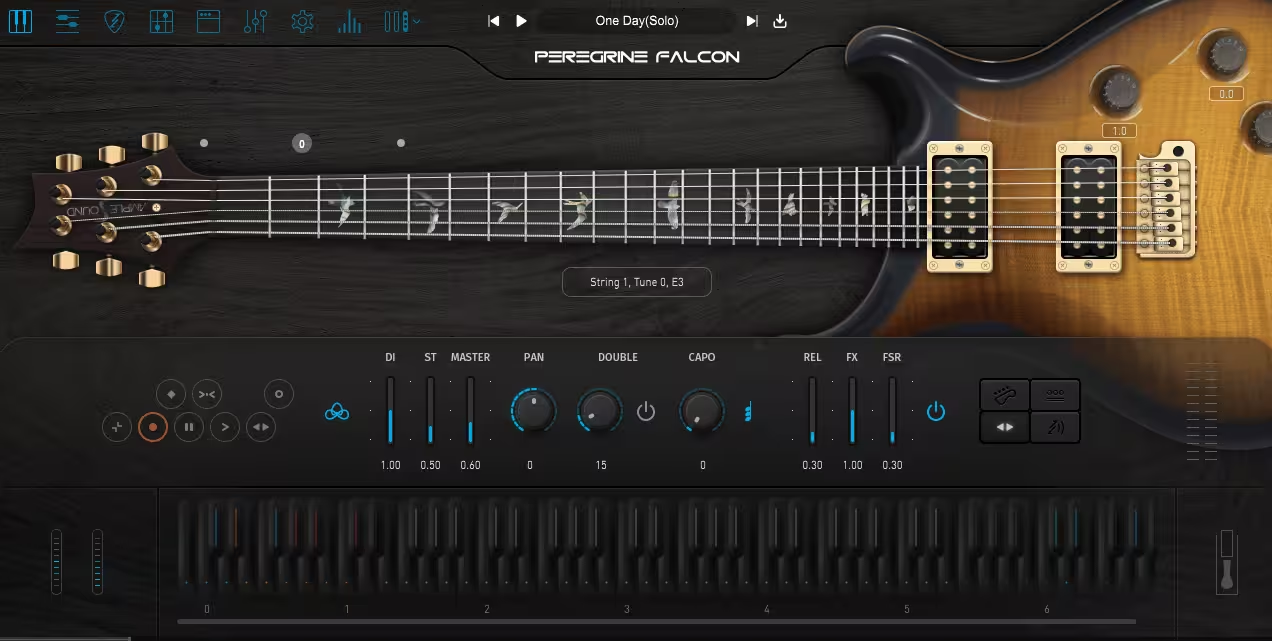
Closing with a bonus pick, Peregrine Falcon provides a modern rock and progressive guitar with a brighter, more articulate character than the classic Les Paul or SG models.
The instrument targets the contemporary rock, prog rock, and modern metal space where players use guitars with higher output pickups, flatter fretboards, and extended range that produce a tighter, more defined sound than vintage designs.
The Peregrine Falcon fills the gap between the vintage rock character of the Les Paul and the extreme metal focus of tools like The Odin II.
For productions that need a modern rock guitar sound, not vintage, not extreme metal, but the kind of articulate, tight, versatile electric guitar that dominates contemporary rock production, this is the right tool. The sampling captures the modern pickup voicing with clear note definition, fast attack, and a balanced frequency response that works well with both clean and high gain processing.
- Modern Voicing
The high output pickup modeling produces a clear, articulate tone with tight low end and defined midrange that suits modern rock production. The voicing is brighter and more focused than vintage humbucker modeling, reflecting the tonal preferences of contemporary rock guitarists.
- Extended Range
The instrument covers a wider pitch range than vintage style guitar models, accommodating drop tunings and extended range playing that modern rock and prog use frequently. The lower notes maintain clarity and definition rather than becoming muddy.
- Strumming Engine
Ample Sound’s strumming system generates rhythm parts adapted to the modern rock context, with the tight, percussive attack and defined chord separation that contemporary rock production demands.
- Articulation Depth
Comprehensive articulations cover palm mutes, harmonics, slides, bends, tapping, and other techniques common in modern rock and progressive guitar playing. The articulation coverage supports the technical playing styles that characterize the genre.
- Amp Integration
A built in amp simulation with modern high gain options provides the complete signal chain for contemporary rock tones. The amp section is voiced for the modern rock context, with tighter gain characteristics and more midrange focus than vintage amp emulations.
- Legato Engine
A fast, responsive legato system handles the rapid hammer ons, pull offs, and tapping passages that progressive and modern rock guitar feature heavily. The legato engine’s speed and accuracy determine how convincingly technical passages translate from MIDI programming to audio output.
Available from Ample Sound in VST, VST3, AU, and AAX formats.

Hello, I’m Viliam, I started this audio plugin focused blog to keep you updated on the latest trends, news and everything plugin related. I’ll put the most emphasis on the topics covering best VST, AU and AAX plugins. If you find some great plugin suggestions for us to include on our site, feel free to let me know, so I can take a look!