
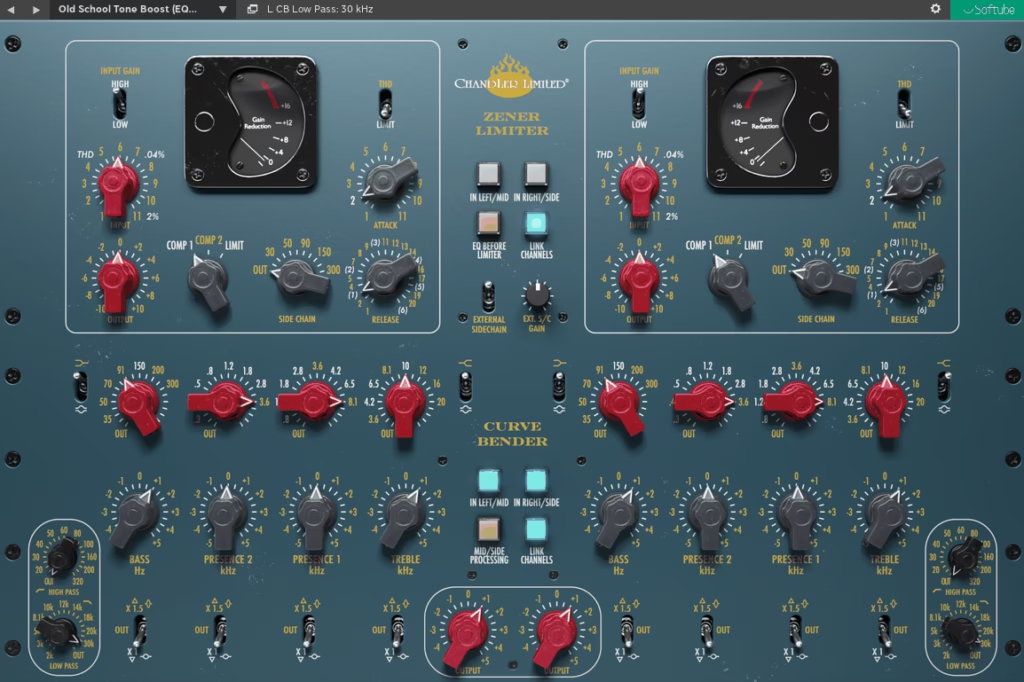
If you’ve researched channel strip plugins that combine EQ, compression, and coloration in a single unit, you’ve probably noticed the market is crowded with vintage emulations and modern designs.
Softube’s Chandler Limited Zener-Bender takes a different approach by modeling Wade Goeke’s Chandler Limited hardware, which itself combines classic circuit designs with modern functionality.
Basically, it’s an emulation of Chandler Limited’s hardware channel strip that combines a Curve Bender-style EQ section with Zener Limiter compression, and from my perspective, this represents an attempt to bring high-end analog character to digital workflow without the cost and space requirements of rack hardware.
Understanding what the hardware was designed to do matters when evaluating whether the plugin version captures the essential qualities that make the original valuable.
The Dual Character Approach
The plugin combines two distinct processing sections that work together or independently depending on your needs, and I’ve found this flexibility genuinely useful for different mixing scenarios. The EQ section is based on the Curve Bender, which itself draws inspiration from classic British console EQs with a modern twist, while the Zener Limiter section provides optical compression with the smooth, musical character that optical designs are known for.
The EQ provides:
- High and low shelf controls
- Two parametric mid bands
- Frequency, gain, and Q adjustments
- Classic British curves with extended range
I’ve found the EQ curves feel smooth and musical rather than surgical or aggressive, and they add subtle harmonic coloration even before you start boosting or cutting frequencies. The shelving filters have that characteristic British warmth that sits well on vocals, guitars, and mix bus applications without sounding dated or overly colored.
The parametric mids offer enough range to handle both corrective and creative EQ tasks, and I appreciate that the Q control lets you switch between broad, musical curves and tighter, more focused adjustments. The EQ excels at:
• Adding weight and warmth to thin sources
• Smoothing harsh frequencies without dulling the sound
• Creating presence and clarity in midrange-heavy material
The Zener Limiter section uses optical compression topology that responds to program material with natural timing and release characteristics. I’ve noticed the compression feels smooth and transparent at moderate settings while capable of more obvious limiting when pushed harder, and the optical behavior creates that characteristic “breathing” quality that works well on vocals and bass.
Limiter controls include:
- Threshold
- Output makeup gain
- Fast/Slow attack switch
- Meter showing gain reduction
The simplicity of controls keeps the workflow focused, and honestly, this limitation actually helps because optical compressors have inherent timing characteristics that don’t require extensive parameter adjustment to sound good.
Sound Quality and Character
The overall sonic signature leans toward warm, smooth, and slightly vintage without being overly colored or lo-fi, and I think this balance makes the plugin versatile enough for modern production while providing the analog character that justifies using it over stock DAW processors. The processing adds subtle harmonic distortion that enriches sources without obvious degradation or artifacts.
On vocals, the Zener-Bender excels at creating polished, radio-ready sound with the EQ adding presence and air while the limiter tames peaks and evens out dynamics. I’ve used it successfully on:
- Lead vocals requiring smooth compression
- Background vocals needing cohesive treatment
- Spoken word and podcast vocals
The combination of EQ and compression in one plugin streamlines the channel strip approach, and the processing feels cohesive rather than like separate processors fighting each other.
For bass, both electric and synth, the low shelf adds weight and fullness while the limiter controls dynamics without killing transients or making the bass feel lifeless. I’ve found the optical compression particularly well-suited to bass because the natural release timing follows the note decay musically rather than artificially pumping.
Guitars and keys benefit from the EQ’s ability to carve space and add character, and the limiter helps control dynamic range on strummed acoustic guitars or heavily played electric parts. The processing maintains natural tone while adding that slight edge and polish that helps instruments sit in dense mixes.
Mix bus application is where the Zener-Bender shows its Chandler Limited heritage, and I’ve used it successfully for gentle mix glue and color. The key is:
Keep settings subtle – Small EQ moves and light limiting add cohesion without squashing or over-processing
The meter response is clear and informative without being distracting, and I appreciate that gain reduction metering helps you understand what the limiter is actually doing rather than guessing based on sound alone.
Workflow and Practical Use
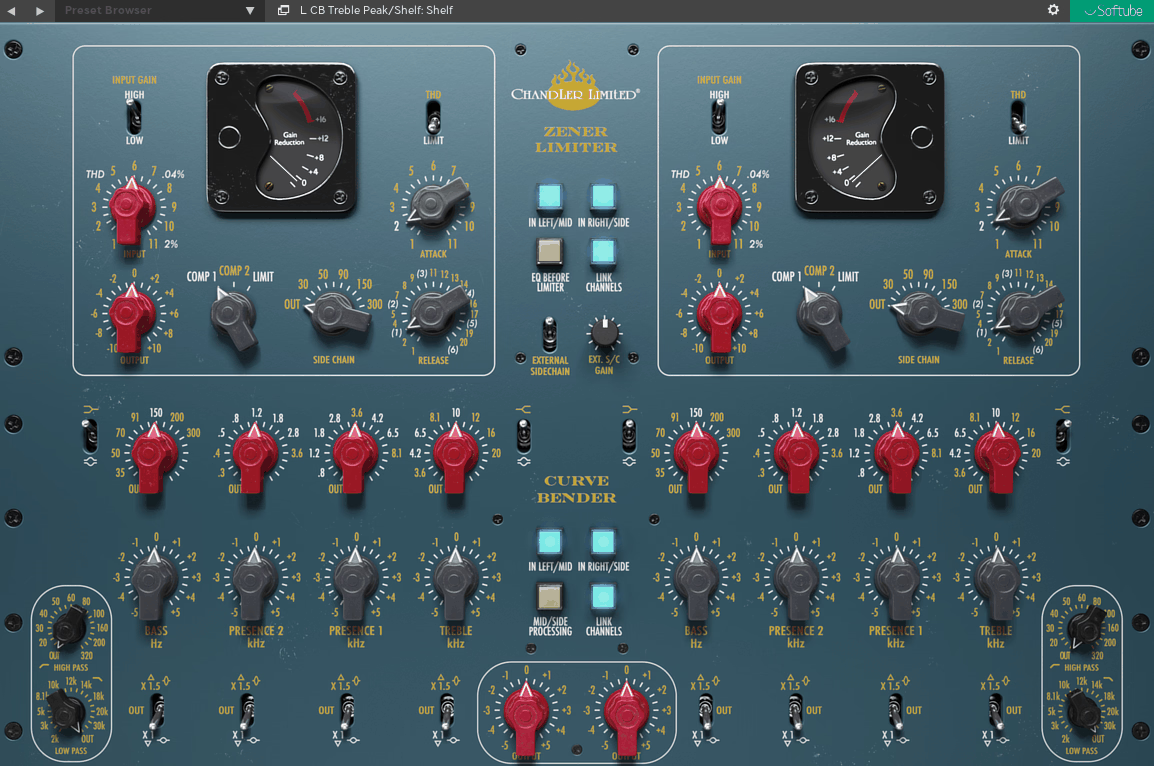
The single-window interface presents both EQ and limiter sections simultaneously, and this layout works well for quick adjustments without menu diving or tab switching. I find the visual design clean and functional without skeuomorphic graphics that try too hard to look like hardware.
CPU usage is moderate for a channel strip plugin running Softube’s modeling, and I’ve used multiple instances across sessions without hitting processing limits on modern systems. It’s not the lightest plugin you’ll run, but it’s efficient enough for practical multi-track use when you want consistent character across multiple sources.
Preset management includes factory presets that demonstrate different applications, and while I don’t use presets as final settings, they provide useful starting points for:
- Understanding the plugin’s range
- Quick comparison of different approaches
- Learning how EQ and compression interact
The presets are organized by source type (Vocals, Bass, Drums, etc.) which makes finding relevant starting points quicker than scrolling through alphabetical lists.
Parameter automation works smoothly within the DAW, and I’ve automated threshold and EQ settings for dynamic processing that changes throughout a song. The automation responds predictably without glitches or stepping artifacts.
Integration across different DAWs has been reliable in my testing:
- Pro Tools ✓
- Logic ✓
- Studio One ✓
The plugin loads consistently and behaves identically across platforms, which matters when collaborating or moving between systems.
Limitations and Considerations
The lack of sidechain control for the limiter means you can’t use external key sources for ducking or creative compression effects, and this limits flexibility compared to more feature-rich compressor plugins. For straightforward dynamic control, the limitation doesn’t matter, but sound designers might find it restrictive.
No parallel compression blend within the plugin means you need to set up parallel routing externally if you want to blend compressed and dry signals, and while this is standard workflow, some modern plugins include internal wet/dry mixing that simplifies the process.
The EQ doesn’t offer high-pass or low-pass filters, only shelving controls, so you’ll need separate filters for removing unwanted low-end rumble or excessive high-frequency content. This isn’t a major limitation, but it means the plugin isn’t a complete channel strip for every scenario.
The Chandler Limited character is distinctive but not neutral, and if you’re looking for transparent, surgical processing, this plugin applies too much color and vibe to serve that purpose.
Understanding that it’s designed to add character rather than remain invisible helps set appropriate expectations.
Value and Alternatives
The Zener-Bender typically sells around $149-199 depending on sales and bundles, which positions it in the mid-to-upper tier of channel strip plugins. I think the value depends on whether you specifically want the Chandler Limited character or just need capable EQ and compression.
Compared to:
SSL Channel Strips (Waves, UAD, Plugin Alliance):
- SSL actually offers more aggressive character
- Chandler provides smoother, warmer tone
- SSL includes gate section
Neve-style channel strips (Scheps 73, UAD 1073):
- Neve has thicker, darker coloration
- Chandler feels a bit more modern and open
- Both excel on different sources
Modern transparent strips (FabFilter Pro-Q + Pro-C):
- More control and flexibility
- Offers less character and vibe
- Different workflow philosophy
For producers who own Softube’s Console 1 or other Chandler Limited plugins, the Zener-Bender integrates into that ecosystem and provides consistent sonic signature across your processing chain. As a standalone purchase, you’re paying for modeled analog character from respected hardware, which matters more to some users than others.
The plugin earns its place if you regularly use it across multiple tracks and the character becomes part of your mixing signature. If you only occasionally need the specific sound, more versatile alternatives might provide better overall value.
Final Assessment
Softube’s Chandler Limited Zener-Bender delivers warm, musical processing that combines British EQ character with smooth optical limiting in a cohesive package. The sound quality is excellent, the workflow is straightforward, and the plugin adds the kind of analog character that justifies choosing it over stock processors.
This plugin makes sense if you:
- Want Chandler Limited character without hardware cost
- Need musical EQ and compression in one unit
- Value smooth, vintage-inspired processing
Consider alternatives if you:
- Need completely transparent processing
- Want extensive sidechain and parallel options
- Prefer surgical, modern channel strip design
I continue using the Zener-Bender on vocals, bass, and mix bus applications where its smooth character and cohesive processing help sources sit naturally in mixes without obvious effect artifacts. The combination of EQ and limiting in one plugin streamlines workflow while maintaining the quality you’d expect from modeled high-end hardware.
It’s a well-executed emulation that captures the essential character of respected analog gear, and for producers who appreciate that particular flavor of processing, it represents solid value that delivers professional results across various mixing scenarios.

Hello, I’m Viliam, I started this audio plugin focused blog to keep you updated on the latest trends, news and everything plugin related. I’ll put the most emphasis on the topics covering best VST, AU and AAX plugins. If you find some great plugin suggestions for us to include on our site, feel free to let me know, so I can take a look!