
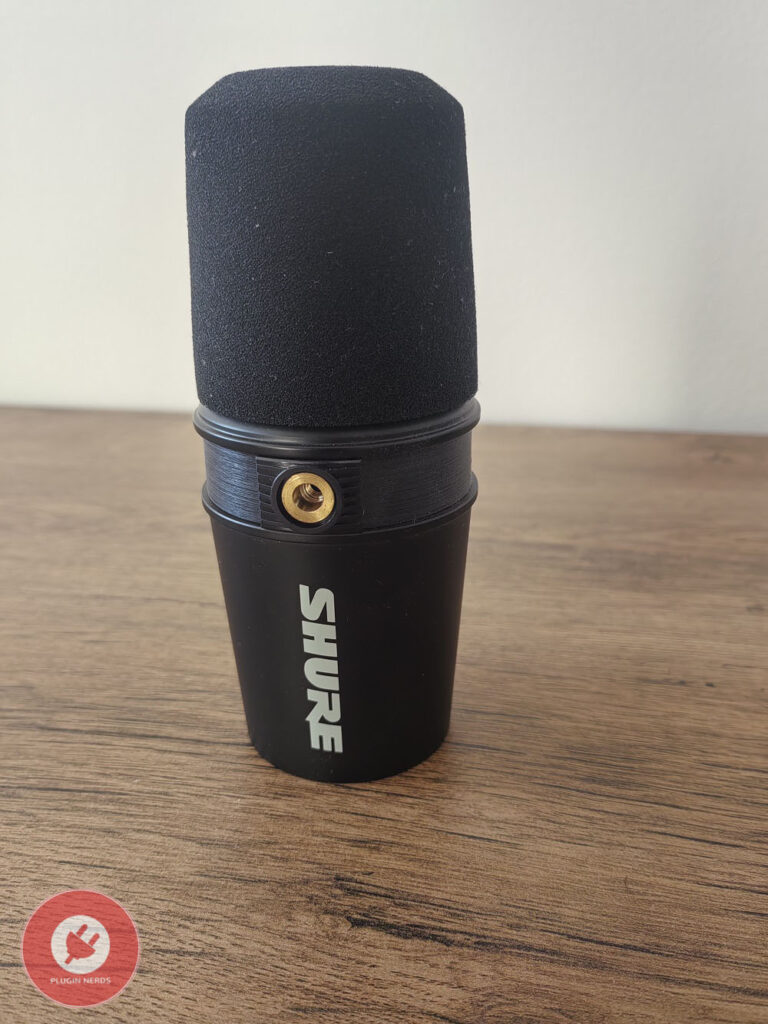
If you’ve been searching for microphones for podcasting, streaming, or voice work, you’ve likely come across the Shure MV7X as a more affordable alternative to the popular SM7B. After using the MV7X for about eight months for podcasting, voiceovers, and some singing, I want to share my experience and help you decide if saving money over the SM7B means missing out on anything important.
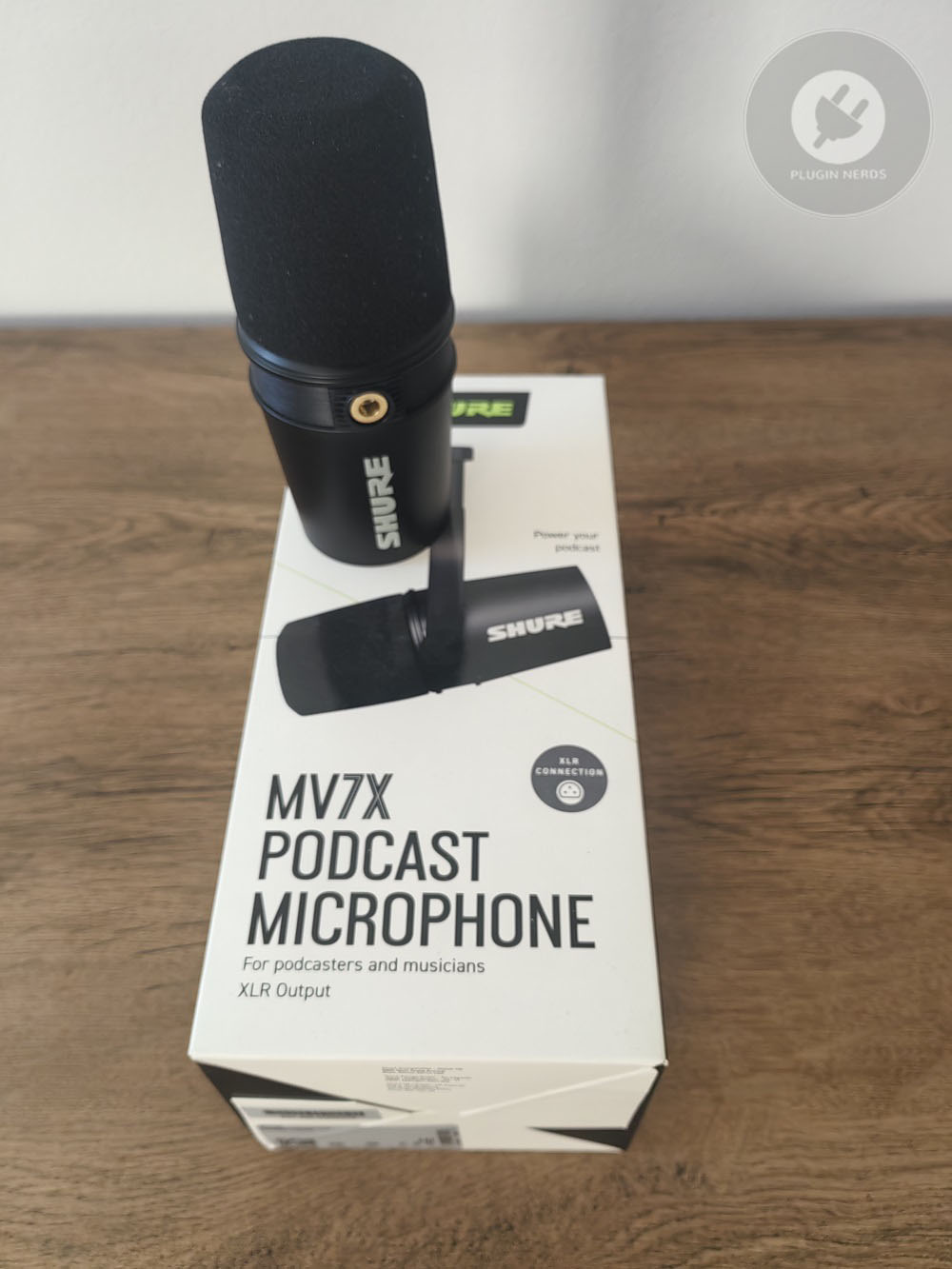
The MV7X is Shure’s XLR-only dynamic microphone, designed for spoken word uses like podcasting, broadcasting, and streaming. I think Shure made it to offer SM7B-like performance at a lower price by skipping features most people don’t need. It’s important to know what’s missing to see if this simpler mic fits your setup and budget.
Is the MV7X Dynamic XLR Mic Worth it in 2026?
In 2026, the MV7X is still a strong choice for podcasting and voiceover work at $200-230. It offers sound close to the SM7B but doesn’t have built-in switches or USB. It’s a great value if you have a good audio interface with clean gain. If you want more tonal options or need USB, you might prefer the SM7B or the regular MV7.
Sound character/performance
The Shure MV7X gives you a clear, focused vocal sound with good presence, which is great for spoken word. I find it sounds a little bright but not harsh, and it brings out the qualities that make speech easy to understand without making voices sound weak or thin.
The frequency response is tuned for voice, with a boost in the upper midrange that helps vocals stand out without much EQ. I’ve found that voices sound clear and present right out of the mic, so you don’t need much editing to get a broadcast-quality sound.
The mic captures details and subtle changes in your voice, which makes speech sound natural.
The low end is controlled with a gentle roll-off, so you don’t get too much bass when you’re close to the mic. This makes it easier to use, even if you move around while talking. If you want deep, radio-style bass, you’ll need to add it with EQ instead of relying on the mic’s natural sound.
The midrange sounds smooth and natural, without any odd tones that make certain words stand out. I think this neutral sound works well for long recordings, since strong midrange boosts can get tiring to listen to over time.
The high-frequency response is good enough to capture air and detail. Highs are clear and bright, but not harsh like some cheaper mics. I’ve noticed that sounds like “s” and “t” come through clearly but aren’t overdone, so you don’t need much de-essing when editing.
Because it’s a dynamic mic with a cardioid pattern, the MV7X blocks out sounds from the sides and back well. This helps keep your voice clear, even in rooms that aren’t treated, where other mics might pick up too much background noise.
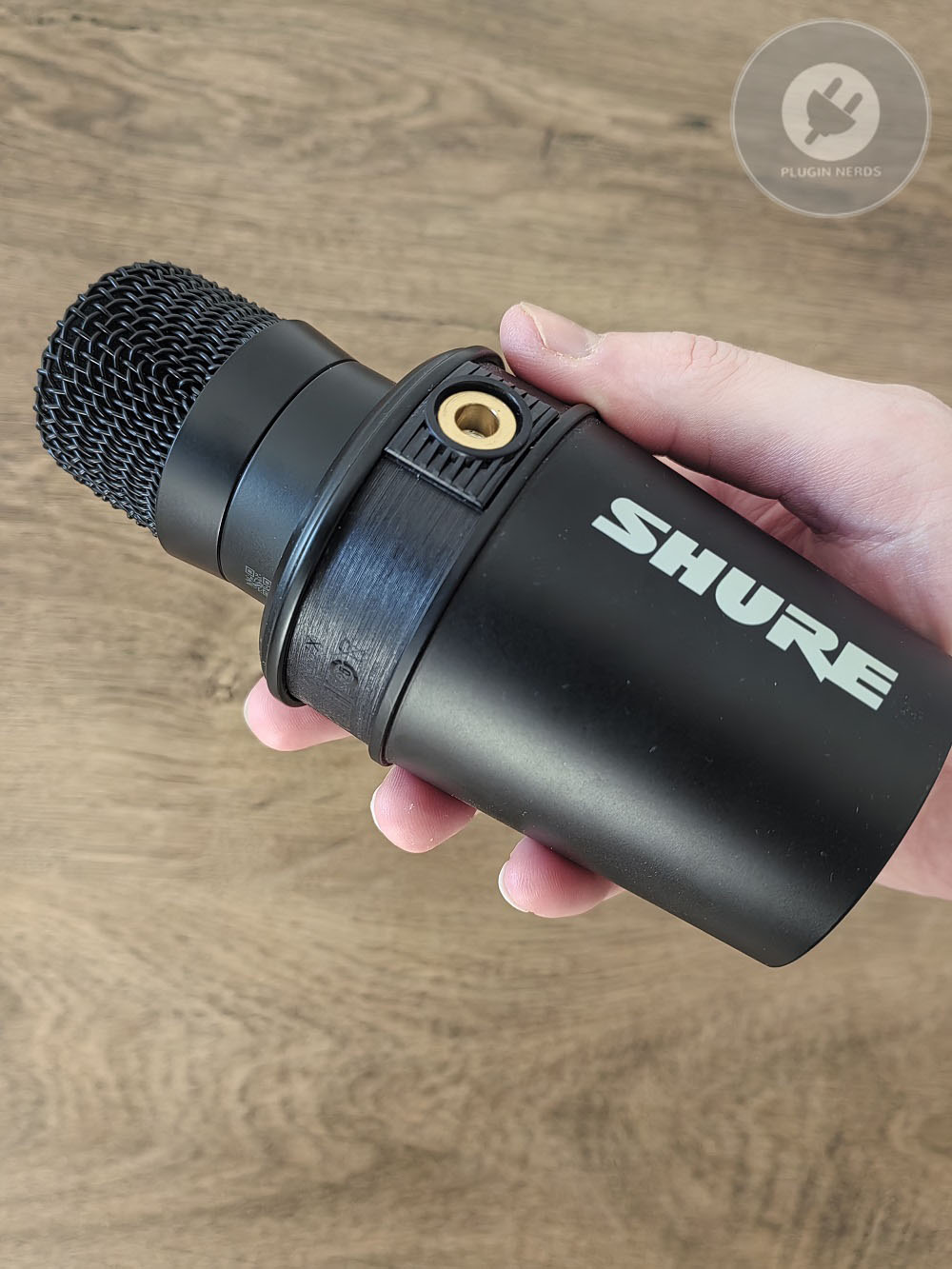
The rear rejection is strong enough that sounds behind the microphone are much quieter, which helps when recording in rooms with computer fans, air conditioning, or other noise sources. I put my computer and interface behind the mic to take advantage of this, and it really cuts down on equipment noise in recordings.
Side rejection is decent, though not as strong as some broadcast microphones. I’ve noticed that sounds coming from the sides are still a bit audible but much quieter than sounds from the front. You should still be aware of noise to the sides, but the mic isn’t so directional that small movements change the sound a lot. It blocks out bumps and vibrations well, but a shock mount still helps if you’re typing or moving around while recording.
The built-in shock mount helps, but it’s not a full replacement for an external one if your desk shakes or you move around a lot.
Build and design
The mic is made of metal and feels solid and professional. It’s sturdy but not too heavy, and the yoke mount keeps it in place on a boom arm without drooping or needing frequent adjustment.
The matte black finish looks professional and doesn’t show fingerprints or smudges like shiny mics do. The design is simple and clean, without flashy logos or styles that might look outdated later. Its size and weight are similar to other broadcast mics, and it works well on regular boom arms. I’ve used it on both cheap and high-end boom arms without any issues with weight or balance.
The included yoke mount is fine for basic positioning, but I switched to a shock mount for better isolation from handling noise and vibrations. The threaded attachment is standard, so the mic fits any regular mic clip or shock mount made for this size.
What’s Missing from SM7B
The main difference from the SM7B is that the MV7X doesn’t have built-in switches for bass roll-off or presence boost. Whether this matters depends on your workflow. Without these switches, you get the mic’s natural sound, which works well for its main use but gives you less control over the sound at the mic itself.
The MV7X doesn’t come with the foam windscreen that the SM7B includes, but you can buy one if you need it to block plosives. I’ve just used a regular pop filter a few inches from the mic, and that’s worked well enough for most speaking uses without needing foam on the mic.
The MV7X doesn’t have both XLR and USB like the regular MV7, so you’ll need an audio interface or preamp instead of plugging it straight into your computer. Some people prefer this simpler setup, while others might want USB. The MV7X needs about as much gain as the SM7B, so you’ll want a good preamp with enough power to get a strong signal without noise.
I usually need 60-65dB of clean gain for spoken word. If your preamp isn’t strong enough, your recordings will either be noisy or too quiet.
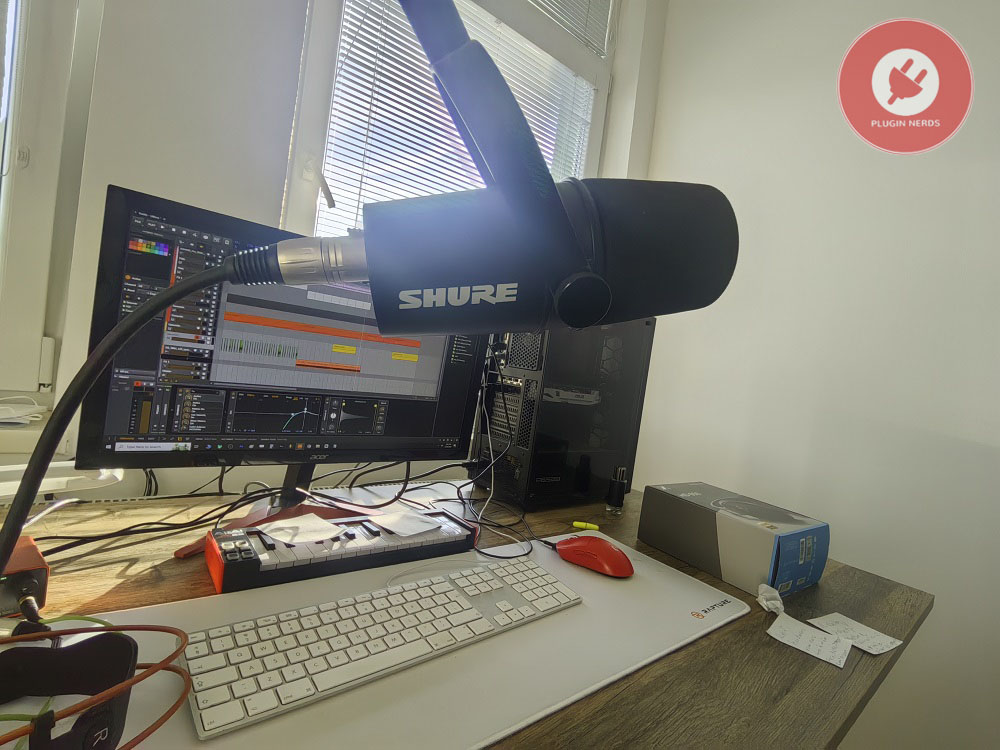
I’ve used the MV7X with several interfaces, like the Focusrite Scarlett series, Universal Audio Volt, and Audient iD14. All of these provide enough clean gain for voice work without needing an extra preamp or gain booster. Budget interfaces with weaker preamps might struggle, so matching the mic to a good preamp is important for the best results.
You don’t need a cloudlifter or extra preamp if you have a good modern interface, but those devices can help with older gear that doesn’t have enough gain. From my experience, it’s better to invest in a solid audio interface than to buy extra gain boosters to make up for a weak preamp.
Practical applications
For podcasting, the MV7X gives you what you need without extra features or fuss, and the sound is good enough for professional shows. I’ve used it on several podcasts, and the clear vocal sound keeps listeners engaged without needing much editing to reach broadcast quality.
Streaming and content creation benefit from the mic’s good rejection and focused sound. The consistent tone makes it easy to set up reliable processing chains for different recording sessions. I like that the mic doesn’t need constant tweaking to keep the quality high, which is helpful when you want to focus on your content instead of technical details.
For voiceover work, the MV7X delivers professional-quality results that clients accept without question. The sound works well for different delivery styles, from narration to character voices. Its clarity and presence help voices fit into mixes easily, without needing aggressive EQ to be clear.
You can use the MV7X for vocal recording, though it’s not its main strength. I’ve used it for rough vocal ideas and demos, where the focused sound works well. For finished vocal production, dedicated vocal mics usually give you more character and detail, but the MV7X can handle basic vocal tracking if needed.
Value
The MV7X usually costs about $200-230, which is much less than the SM7B’s $350-400 price. I think it’s a great value if you don’t need the extra features Shure left out, since the sound quality is very close for much less money.
Compared to the SM7B, you’re giving up built-in EQ switches and included accessories for a lower price. Whether that trade-off is worth it depends on your workflow and budget. From my testing, the core sound quality is very similar, and most listeners wouldn’t notice a difference in typical podcast or streaming setups.
Compared to other budget mics like the Audio-Technica AT2040 or Rode PodMic, the MV7X offers Shure’s build quality and a slightly more polished sound, but it does cost a bit more. Your choice depends on whether you value brand and subtle quality or want the most features for your money.
If you’re considering the MV7, which has both XLR and USB, it depends on whether you need USB. If you only need XLR, the MV7X saves you money without losing sound quality.
Last words..
The Shure MV7X delivers professional broadcast sound quality in a simple package that leaves out features many users don’t need. Its clear, focused vocal sound works well for spoken-word uses, and the solid build quality feels reliable for the long term.
If you want a broadcast-quality mic for voice work and don’t need EQ switches or USB, the MV7X is a great value and gets you close to SM7B performance for less money. If you need more flexibility or plan to use the mic for many different things, the SM7B might be worth the extra cost.
You can use the MV7X for podcasts and voiceovers, and it delivers reliable, professional results without hassle. The sound meets professional standards, it blocks out unwanted noise in tricky rooms, and its simple design means I don’t have to make extra decisions.
It’s a focused, professional tool that’s great at what it’s designed for, instead of trying to do everything. Knowing what it does best helps you decide if it fits your needs and workflow.

Hello, I’m Viliam, I started this audio plugin focused blog to keep you updated on the latest trends, news and everything plugin related. I’ll put the most emphasis on the topics covering best VST, AU and AAX plugins. If you find some great plugin suggestions for us to include on our site, feel free to let me know, so I can take a look!